
I caught my reflection one morning and it talked back to me.
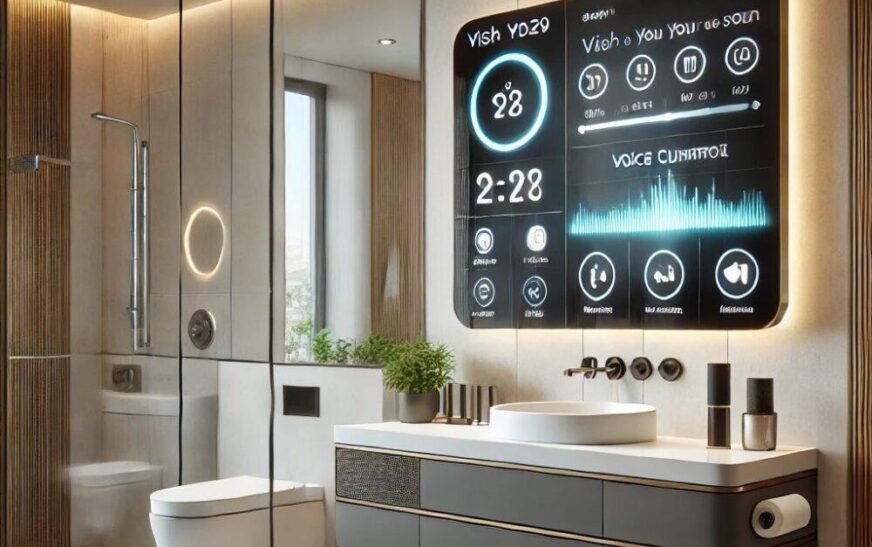
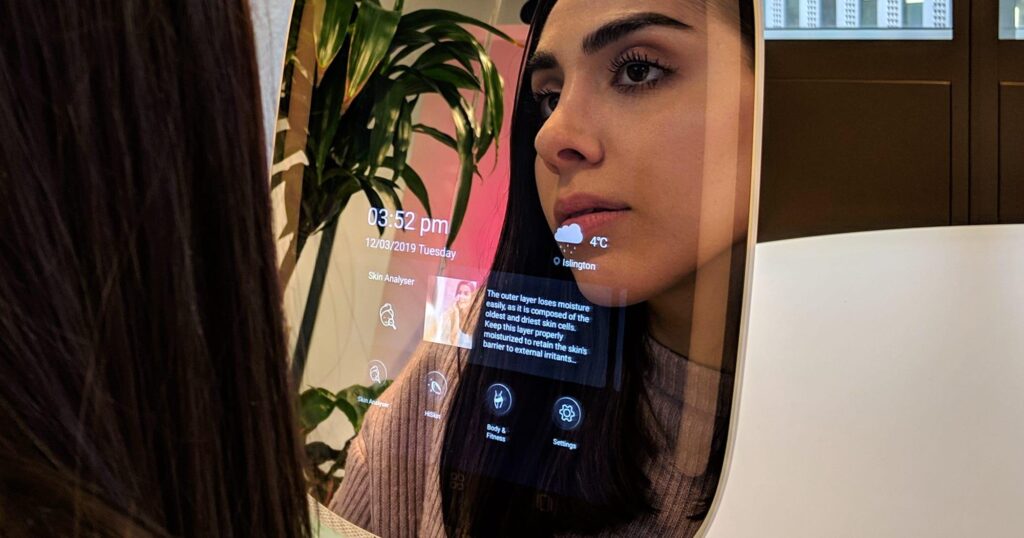
Not in a creepy way. My bathroom mirror, the smart one I’d installed a few months earlier, casually mentioned my skin looked a bit dry compared to last week. It suggested I drink more water.
I stood there half-awake, toothbrush in hand, genuinely unsure how to feel about a mirror giving me health advice before I’d even had coffee.
That was my real introduction to what people are now calling the AI mirror revolution. Mirrors that don’t just reflect you anymore. They analyze you, coach you, and sometimes know more about your daily patterns than you consciously notice yourself.
I’ve spent the last year testing a few of these devices, reading way too many product reviews, and talking to friends who use fitness mirrors religiously. Here’s everything I’ve learned, including a few surprises I didn’t expect.
What Exactly Is an AI Mirror
Let’s clear this up first, since the term gets thrown around loosely.
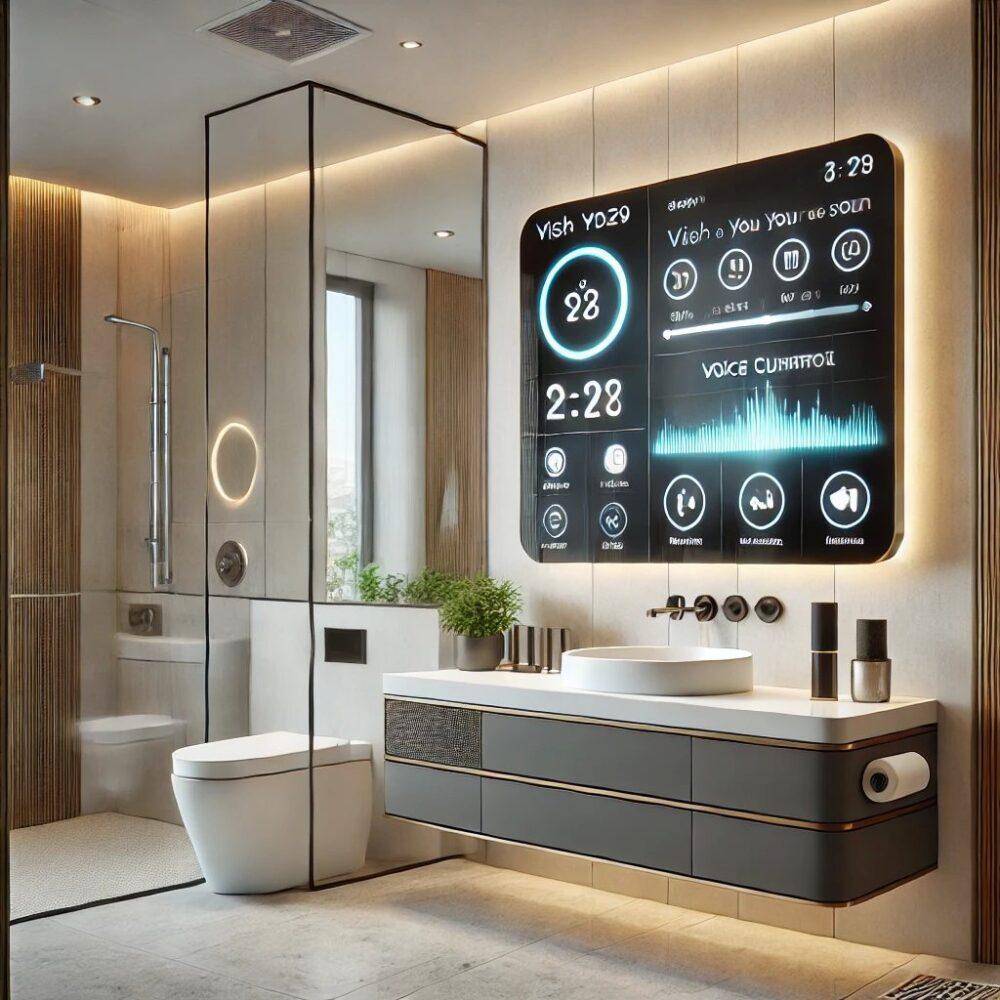
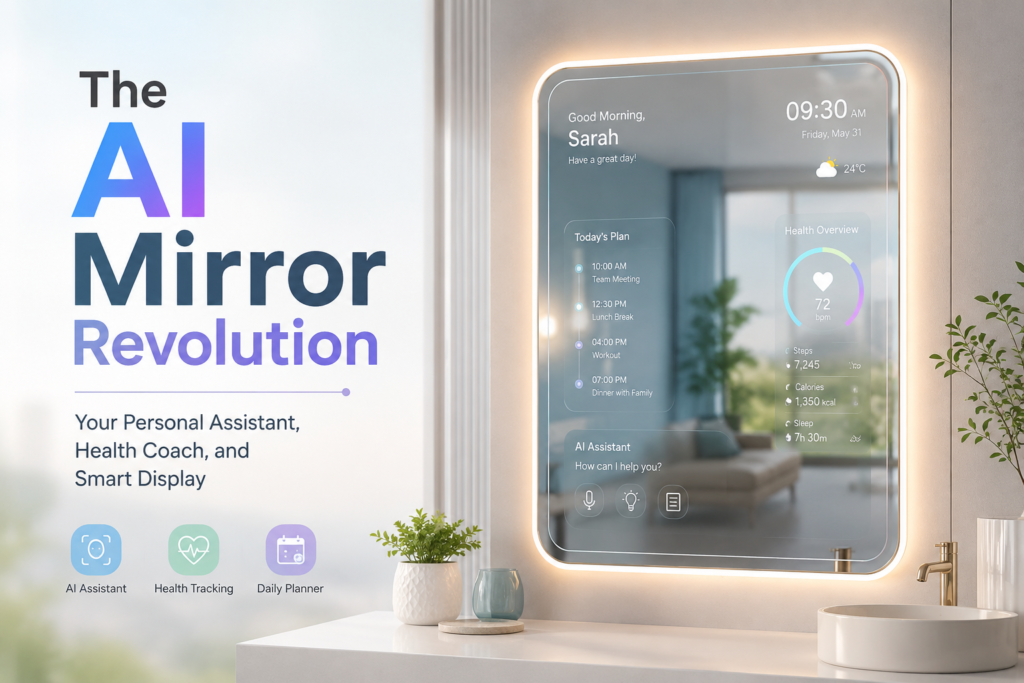
An AI mirror is a regular mirror with a screen, camera, and software built into it. Some focus on skincare analysis. Others focus on fitness coaching. A few try to do both, along with smart home features like weather updates and calendar reminders.
The camera captures your face or body. The software analyzes it, often using machine learning trained on thousands of images. Then it gives you feedback, tracks changes over time, or guides you through a workout.
It sounds like science fiction. Honestly, using one for the first time genuinely feels that way too.
My First Encounter With a Fitness Mirror
A friend of mine, Marcus, got one of the interactive fitness mirrors, the kind that streams live and on-demand workout classes directly onto a reflective screen mounted on his wall.
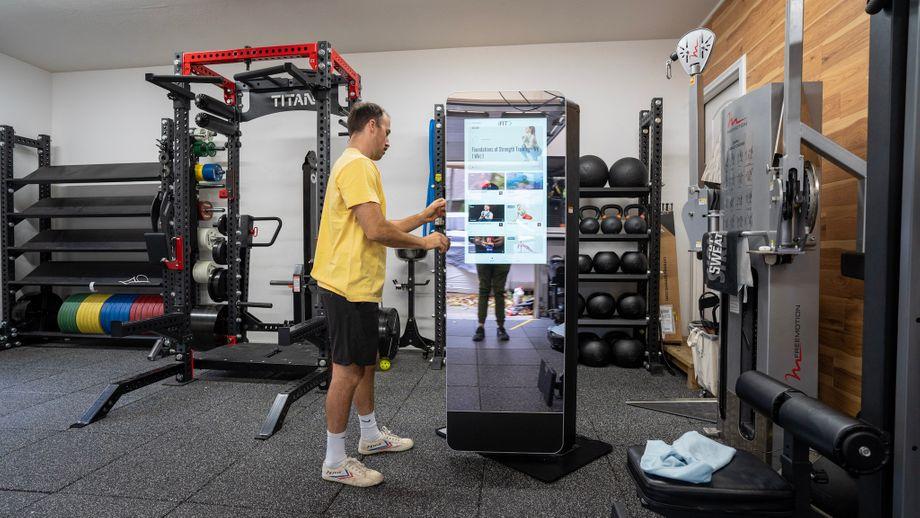
I tried it during a visit last spring. Standing in front of it felt strange at first. You see yourself mid-squat, right next to an instructor demonstrating proper form, both reflected on the same glass surface.
What surprised me was how much that visual comparison actually helped. I noticed my own form drifting during lunges, something I never caught doing regular workout videos on a separate screen.
Marcus mentioned the mirror also tracks his heart rate through a paired armband, adjusting workout intensity suggestions based on his effort level over time. That kind of personalized feedback used to require an actual personal trainer standing in the room with you.
Trying a Skincare AI Mirror at Home
A few months after that visit, I bought a smaller skincare-focused smart mirror for my own bathroom. This is the one that commented on my dry skin that morning.
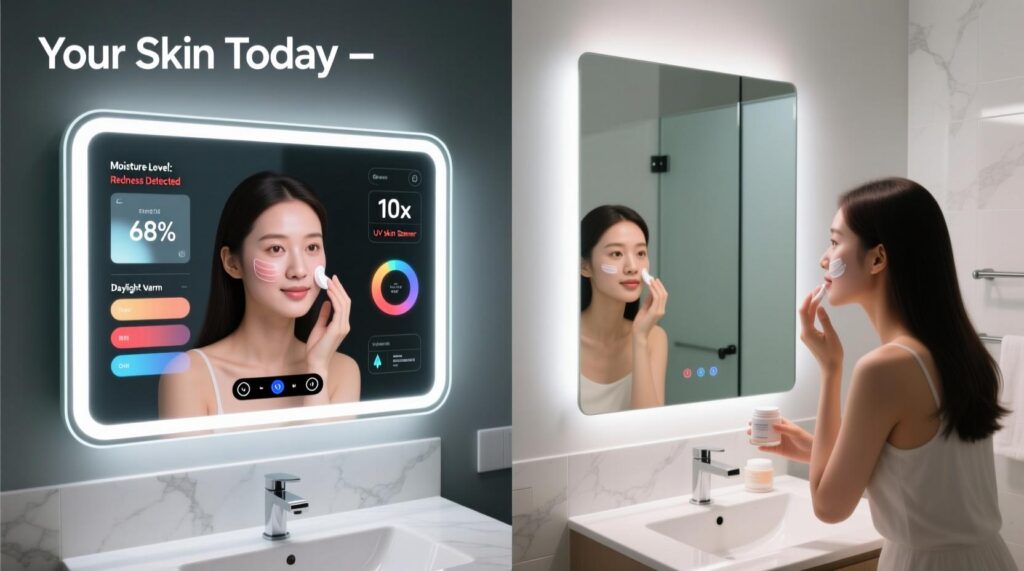
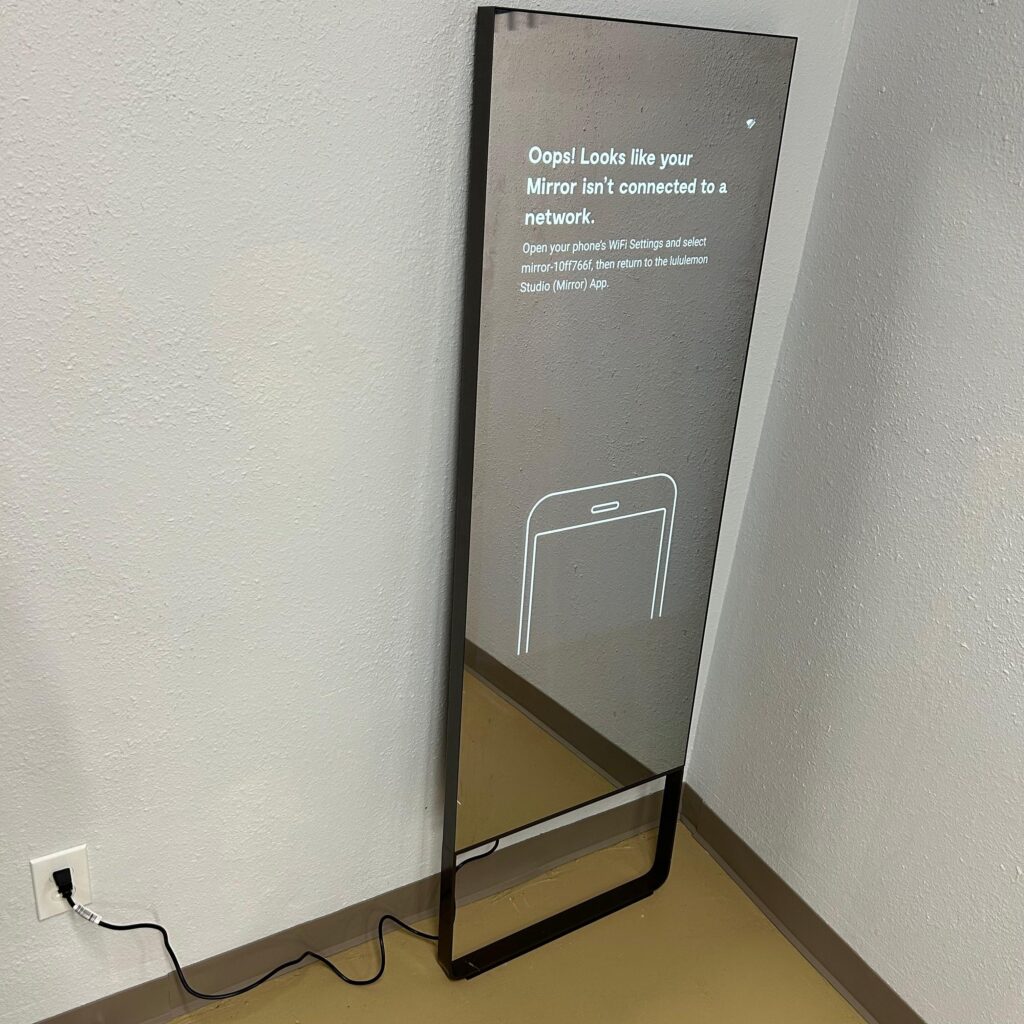
Setting it up took about twenty minutes. The companion app walked me through calibrating the camera, then took an initial scan of my face under specific lighting conditions.
The mirror tracks things like fine lines, dark spots, and hydration levels over weeks and months. It builds a visual timeline, almost like a health chart, but for your skin instead of your heart rate.
A Mistake I Made Early On
Here’s something I got wrong initially. I kept scanning my face at random times throughout the day, morning, afternoon, sometimes right after a workout.
The readings were all over the place. One scan showed great hydration levels. Two hours later, a scan showed dryness.
Turns out lighting, sweat, and even the time since your last skincare routine massively affect the accuracy of these scans. Once I started scanning consistently every morning, same time, same lighting, the data actually became useful and trackable.
Lesson learned. Consistency matters more than frequency with these devices.
Step-by-Step: Getting Genuine Value From an AI Mirror
If you’re considering one of these, here’s a practical approach based on what actually worked for me and for people I know using them.
Step 1: Decide what problem you’re actually trying to solve
Fitness mirrors and skincare mirrors solve different problems. Don’t buy a fitness mirror hoping it’ll also give you detailed skin analysis, and vice versa. Some newer models combine features, but most specialize in one lane.
Step 2: Set a consistent routine for scans or workouts
Whether it’s a morning skincare scan or an evening workout session, pick a consistent time. The data these mirrors generate only becomes meaningful with regular, comparable inputs.
Step 3: Actually read the reports, don’t just glance at them
Most of these apps generate weekly or monthly summaries. I ignored mine for the first month, honestly. Once I started actually reading the trend reports, I noticed patterns I’d never have caught otherwise, like my skin hydration dipping every time I traveled for work.
Step 4: Adjust based on what the data actually shows
This sounds obvious, but plenty of people, myself included at first, treat these mirrors like novelty gadgets rather than actual feedback tools. If your fitness mirror flags consistently poor squat depth, that’s worth addressing, not ignoring.
Step 5: Check privacy settings before anything else
Before you scan your face daily for months, check exactly where that data goes. Some mirrors process everything locally on the device. Others upload data to the cloud for analysis. Read the privacy policy, not just the marketing page.
Real Examples of How People Use These Mirrors
I talked to a handful of people beyond just Marcus while researching this, since everyone’s experience differs a bit.
A coworker of mine uses her fitness mirror mainly for guided stretching and mobility sessions rather than intense workouts. She said the visual feedback on posture during stretches genuinely improved her form within a few weeks, something years of solo stretching never fixed.
My aunt, who’s in her sixties, uses a skincare mirror mostly out of curiosity about aging patterns. She said seeing an actual visual timeline of her skin, rather than just feeling like things are changing, made her feel more in control of decisions like which products were actually working.
A gym owner I spoke with installed a few interactive mirrors in his studio as an added premium feature for members. He mentioned that clients who used the mirrors regularly stuck with their fitness routines longer, likely because of the immediate visual feedback loop keeping them engaged.
None of these examples involve some dramatic life transformation. They’re small, practical improvements, which honestly feels more believable than flashy marketing claims.
The Retail Side of the AI Mirror Trend
Fitness and skincare mirrors get most of the attention, but retail stores have quietly been using AI mirrors too.

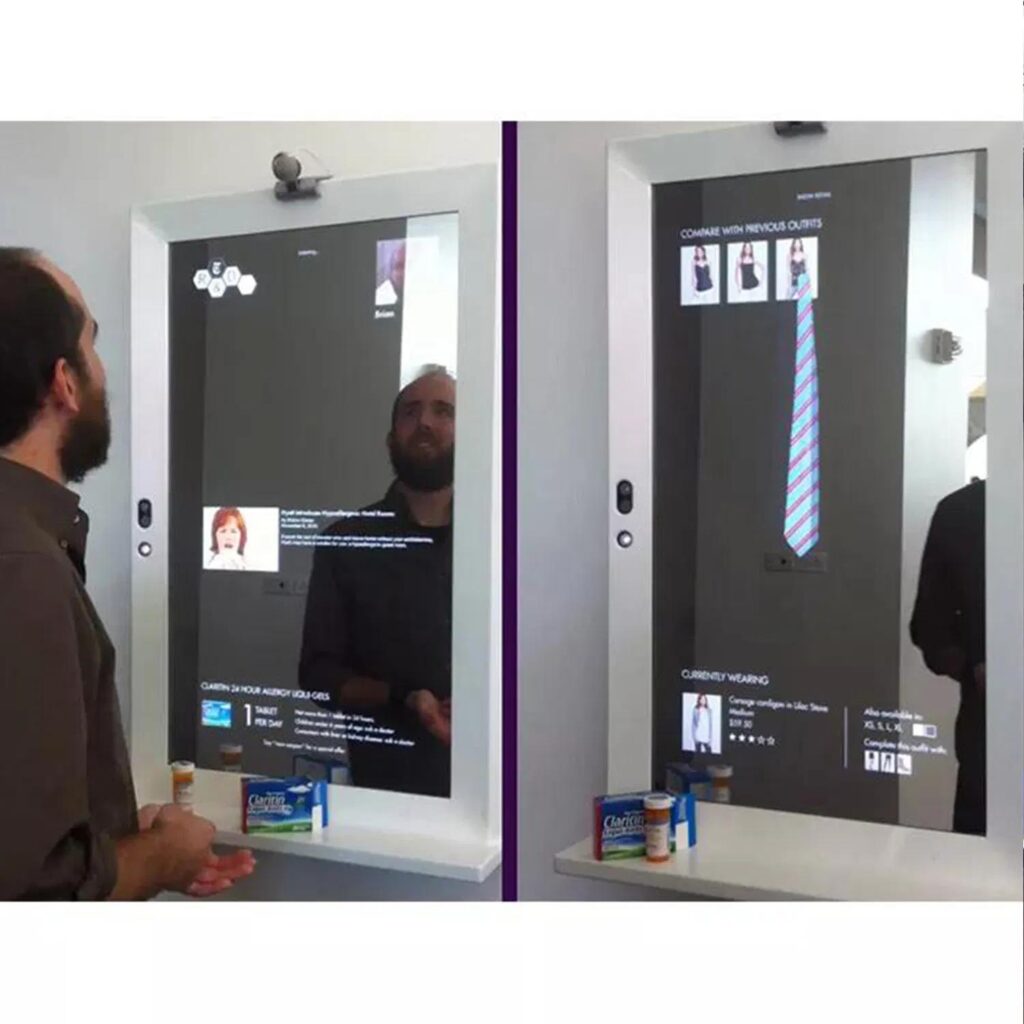
Some clothing stores now use smart fitting room mirrors that let you virtually try on different colors or sizes without physically changing outfits each time. A few beauty retailers use similar mirror technology for virtual makeup try-ons, letting you preview a lipstick shade without applying anything at all.
I tried one of these at a store while shopping for sunglasses last year. It mapped my face and let me preview different frame styles instantly. It genuinely saved time compared to trying on twelve physical pairs one after another.
These retail applications feel less personal than the home fitness or skincare versions, but they show how widespread this technology has quietly become.
Common Mistakes People Make With AI Mirrors
After a year of using these devices and talking to other users, certain mistakes keep showing up.
Expecting instant results. These mirrors track trends over weeks and months, not overnight transformations. Checking daily and expecting dramatic changes leads to disappointment and, honestly, a bit of unnecessary anxiety about normal day-to-day fluctuations.
Ignoring the lighting and setup instructions. Accuracy depends heavily on consistent lighting and camera positioning. Skipping the calibration steps leads to unreliable, frustrating data.
Comparing your results to someone else’s. Skin type, body type, and starting points differ wildly between people. Comparing your fitness mirror stats to a friend’s numbers rarely helps and often just creates discouragement.
Overlooking data privacy. Facial scans are sensitive data. Skipping the privacy settings review because you’re excited to start using the device is a mistake worth avoiding.
Treating the mirror as a replacement for professional advice. These devices offer helpful trend tracking, not medical or dermatological diagnoses. A mirror flagging a skin concern is a good reason to mention it to an actual dermatologist, not a substitute for one.
Buying based on hype without considering your actual routine. A fitness mirror sitting unused in the corner of a bedroom because a workout routine never stuck is a common, expensive mistake. Be honest with yourself about whether you’ll actually use it consistently before buying one.
Is This Actually Worth It, or Just a Trend
I get asked this a lot by friends considering buying one of these devices themselves.
Honestly, it depends entirely on how you use it. The technology itself is genuinely useful for people who want consistent, visual feedback on gradual changes, whether that’s fitness form or skin health.
For someone who already struggles to stick with a phone app or paper journal for tracking progress, the built-in, unavoidable nature of a mirror you see every single day might actually help with consistency.
For someone who dislikes tracking anything or gets anxious about metrics, this probably isn’t worth the investment. Not every tool fits every person, no matter how impressive the technology looks in a product demo.
Final Thoughts
The AI mirror revolution isn’t really about mirrors becoming smarter, even though that’s the flashy headline. It’s about how much value we can actually get from consistent, visual feedback on things we normally only notice when they’ve already changed significantly.
My bathroom mirror mentioning my dry skin that morning felt strange at first. A year later, it feels closer to a helpful reminder than some invasive gadget. That shift in how normal it feels is probably the real story here, more than any specific feature or camera resolution.
If you’re curious about trying one, start small. Test a feature you’ll actually use consistently, pay attention to your own patterns, and don’t expect the mirror to do the work for you. It’s a feedback tool, not magic glass. Used the right way, though, it might just show you things about yourself you hadn’t noticed on your own.