
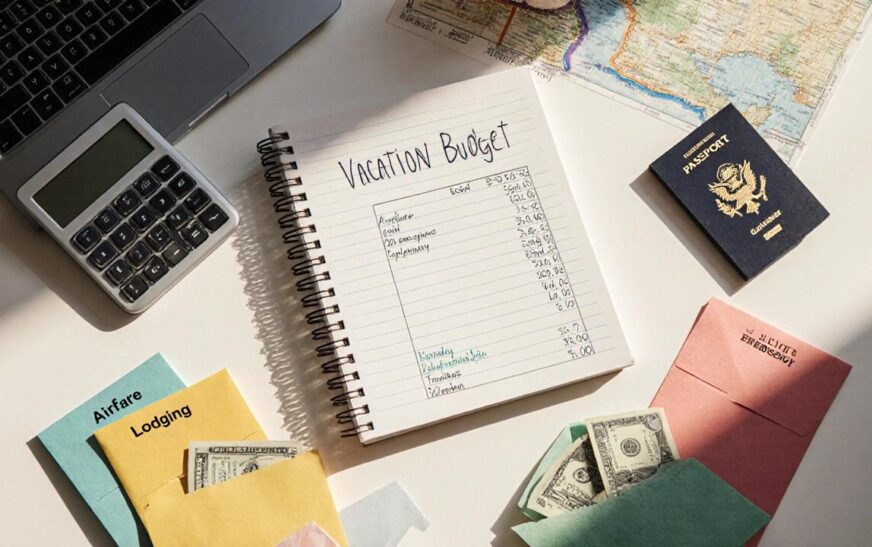
The first time I tried to travel cheap, I booked the cheapest flight I could find. I landed at an airport two hours outside the city at midnight. I paid triple for a taxi because nothing else was running. I ended up spending more than if I had just booked a sensible flight in the first place.
The hostel I chose to save money had a broken shower and a front door that did not lock properly. I spent the first night barely sleeping.
I came home from that trip having spent roughly the same as a comfortable mid-range trip would have cost. Except I was also exhausted and slightly traumatized by the taxi situation.
That trip taught me something useful though. Cheap travel and smart travel are not the same thing. One is just about finding the lowest number. The other is about understanding where money actually disappears when you travel, and stopping it from doing that.
I have been traveling on tight budgets for years now. These are the things that have genuinely made a difference. Not hacks. Not tricks. Just stuff that works.
Stop Booking Flights Based on Price Alone
This is the mistake I made on that first trip. I still see people doing it constantly.
The cheapest fare on the screen is almost never the cheapest way to get where you are going. You have to factor in where the airport actually is, how you will get from that airport to your accommodation, what time you land or depart, and whether the airline charges separately for bags, seat selection, and anything else they can think of.
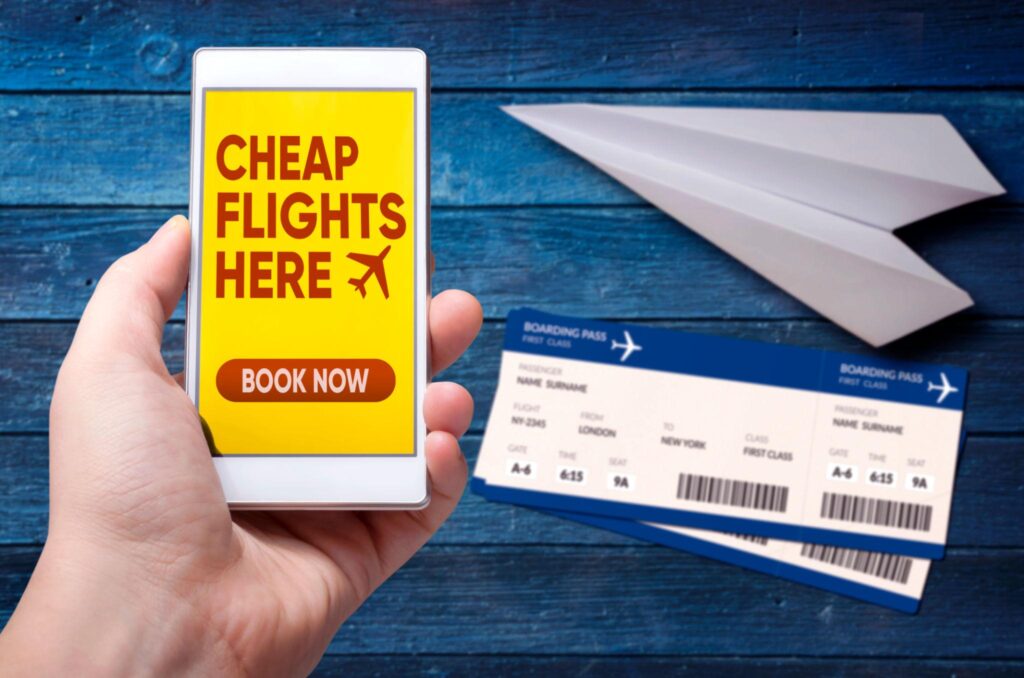
Budget airlines in Europe and Southeast Asia are particularly good at this. They show you a headline price of forty dollars. Then they add fees until you are at ninety. By which point you have already committed emotionally to the booking.
Google Flights is the tool I use most. Not because it always has the cheapest fares. It lets you look at a whole month at once using the calendar view. You can see that flying on a Tuesday instead of a Friday saves you sixty dollars on a route you do it on regularly. That adds up over a year of travel. The explore map feature is also genuinely useful if you are flexible about where you want to go. You can see what destinations are cheapest from your home airport during a specific window.
Skyscanner works similarly and sometimes pulls up different options. I usually check both before booking anything.
One thing I started doing that nobody told me about: search flights in incognito mode or clear your cookies first. There is genuine debate about whether airlines and booking sites raise prices when they detect repeat searches. I figure it costs nothing to be careful.
Accommodation Is Where Most Budgets Fall Apart
People obsess over finding cheap flights. Then they book the first hotel that looks okay without thinking too hard about it. Hotels, even budget ones, eat money fast once you factor in location and what you are actually getting.
Hostels are the obvious answer for solo travelers. They have gotten more sophisticated than most people expect. The worst ones from fifteen years ago have largely been replaced. Newer places have private rooms, decent kitchens, co-working spaces, and people who actually want to be there. A private room in a well-run hostel often costs thirty to forty percent less than a comparable hotel room in the same neighborhood.
For longer stays, I have shifted almost entirely to apartments booked through Airbnb or Booking.com. The per-night price is sometimes higher than a hostel dorm. Having a kitchen changes the financial math completely. If you are somewhere for five nights and you cook four breakfasts and three dinners at home instead of going out, you have already saved more than enough to cover the extra accommodation cost.
Why Neighborhood Matters
The other thing worth knowing about accommodation: neighborhood matters more than most travelers realize. A hotel that is fifteen dollars cheaper per night but requires a thirty-minute taxi ride to get anywhere useful will cost you more in the end, both in money and in time. I always open a map before booking anything and actually look at what is walkable. A slightly more expensive place in a central location is usually the better value.
The Way You Eat While Traveling Decides Everything
Food is where travel budgets actually live or die. It is also the area where people make the most emotionally driven decisions.
When you are hungry and tired in a foreign city and you walk past a restaurant that looks fine, you go in. You do not cross the street to check what else is nearby. You do not think about whether the area is touristy and therefore overpriced. You just sit down because you are hungry and tired.
The way I fixed this for myself was pretty simple. Before I arrive anywhere new, I spend twenty minutes looking at Google Maps in the neighborhood where I am staying. I specifically filter for local restaurants with a lot of reviews from local-sounding names. Not the places with English menus in the window. The places that look slightly confusing from the outside but have a hundred reviews from people who actually live there.
Markets and Street Food
Markets are the other thing. Almost every city of any size has a public market where locals buy food. Almost every public market has a section where you can eat freshly prepared local food for almost nothing. In Southeast Asia this is extremely obvious. In Europe and Latin America it is slightly less so, but it is almost always there if you look for it.
Street food gets talked about a lot and for good reason. The rule I follow is simple. Busy carts and stalls with high turnover are almost always safe because the food does not sit around. An empty stall with food that has been sitting there since morning is a different story.
One genuinely useful app: HappyCow is primarily a vegetarian and vegan restaurant finder. Even if you eat everything, it is excellent for finding cheap, high-quality local spots. The community that uses it tends to know where the good affordable food is hiding.
Transport Inside a City Will Drain You If You Are Not Paying Attention
Taxis and rideshare apps are convenient and sometimes necessary. They are also one of the fastest ways to watch your daily budget disappear.
Public transit, done right, is almost always sufficient for getting around a city. The problem is that unfamiliar transit systems feel intimidating when you first arrive somewhere. People default to apps like Uber or Grab because they are easy and familiar. Completely understandable. Also significantly more expensive than learning the metro.
My actual approach when I arrive somewhere new: I spend the first morning figuring out the public transit before I actually need to use it for anything important. I look up the nearest metro or bus stop to my accommodation. I buy a transit card if that is how the city works. I take one ride somewhere simple just to get the feel of it. After that, it stops being intimidating.
Citymapper is excellent for this. It covers most major cities worldwide. It tells you the actual real-time options including walking, transit, and rideshare, with cost comparisons. It has saved me from unnecessary taxi rides more times than I can count.
Walking is also just underrated. A lot of cities that seem sprawling on a map are actually very walkable in practice. Walking is how you find things you did not know to look for. Some of my favorite cheap lunch spots I found entirely by accident while walking somewhere else.
Things I Stopped Buying While Traveling
This is less a tip and more a list of things I had to learn through repetition.
Bottled water from tourist areas is marked up absurdly in most places. A reusable water bottle with a filter built in pays for itself on roughly the third or fourth day of any trip where tap water is not drinkable. In places where tap water is drinkable, the reusable bottle still pays for itself immediately.
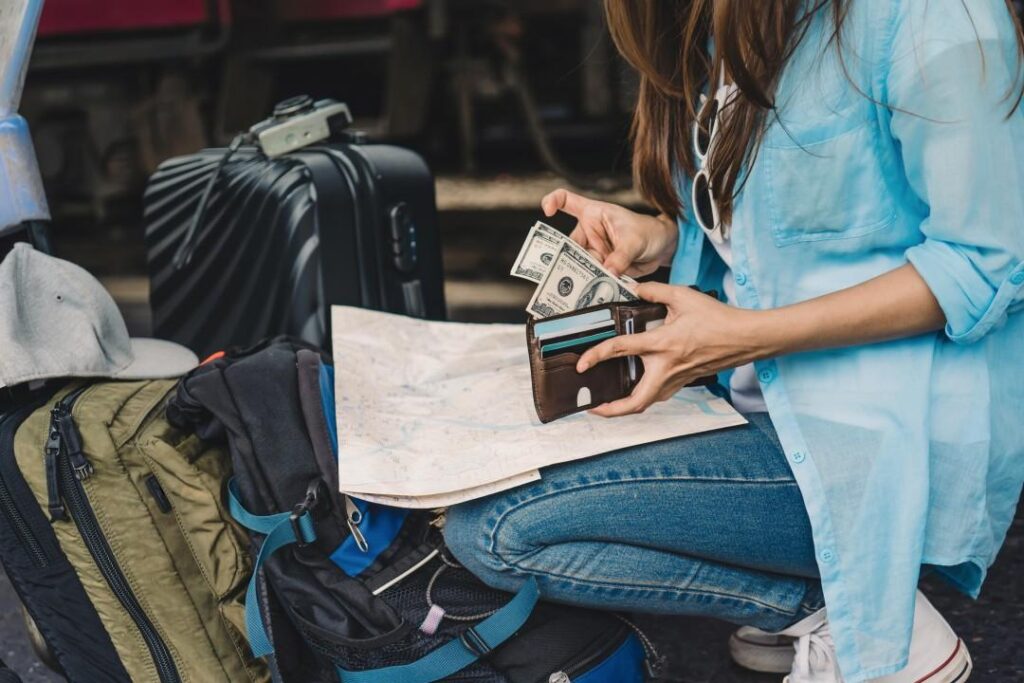
Airport food is a trap that I fall into every time I do not plan ahead. Airports know you are captive and price accordingly. Even a sandwich and a coffee at an international airport can cost fifteen dollars. I now eat before I get to the airport or bring food through security whenever the flight is long enough to matter.
Currency exchange at airports, hotels, and tourist areas is almost always the worst rate you will find. Using an ATM from a reputable bank in the city itself gives you the real exchange rate. You need a debit card that does not charge foreign transaction fees. The ATM fee is almost always less than what the exchange booths take. Wise and Charles Schwab both offer accounts designed for this. Schwab in particular reimburses ATM fees worldwide. I did not know that existed until a friend told me. It genuinely changed how I handle cash abroad.
Travel insurance is one thing I do not skip to save money. It feels like an unnecessary cost until you need it. Then it is the most important thing you ever bought. A medical situation abroad without insurance can cost more than the entire rest of the trip combined. This is not a tip to save money. It is a tip to not lose all your money at once.
Timing Your Trip Is a Real Strategy
Shoulder season is the answer to a lot of budget travel problems. The period just before or just after peak tourist season at a destination gives you most of what makes that place appealing. You get meaningfully lower prices and smaller crowds.
In Western Europe, late September through October is often ideal. The summer crowds are gone. The weather is still reasonable in most places. Accommodation prices drop noticeably. In Southeast Asia, the math works differently depending on which country you are in and what the monsoon schedule looks like. It is worth researching per destination rather than applying one rule.
Midweek travel is consistently cheaper than weekend travel for both flights and accommodation. If your schedule gives you any flexibility at all, shifting departure by a day or two can save real money.
Mistakes That Seem Small But Cost a Lot
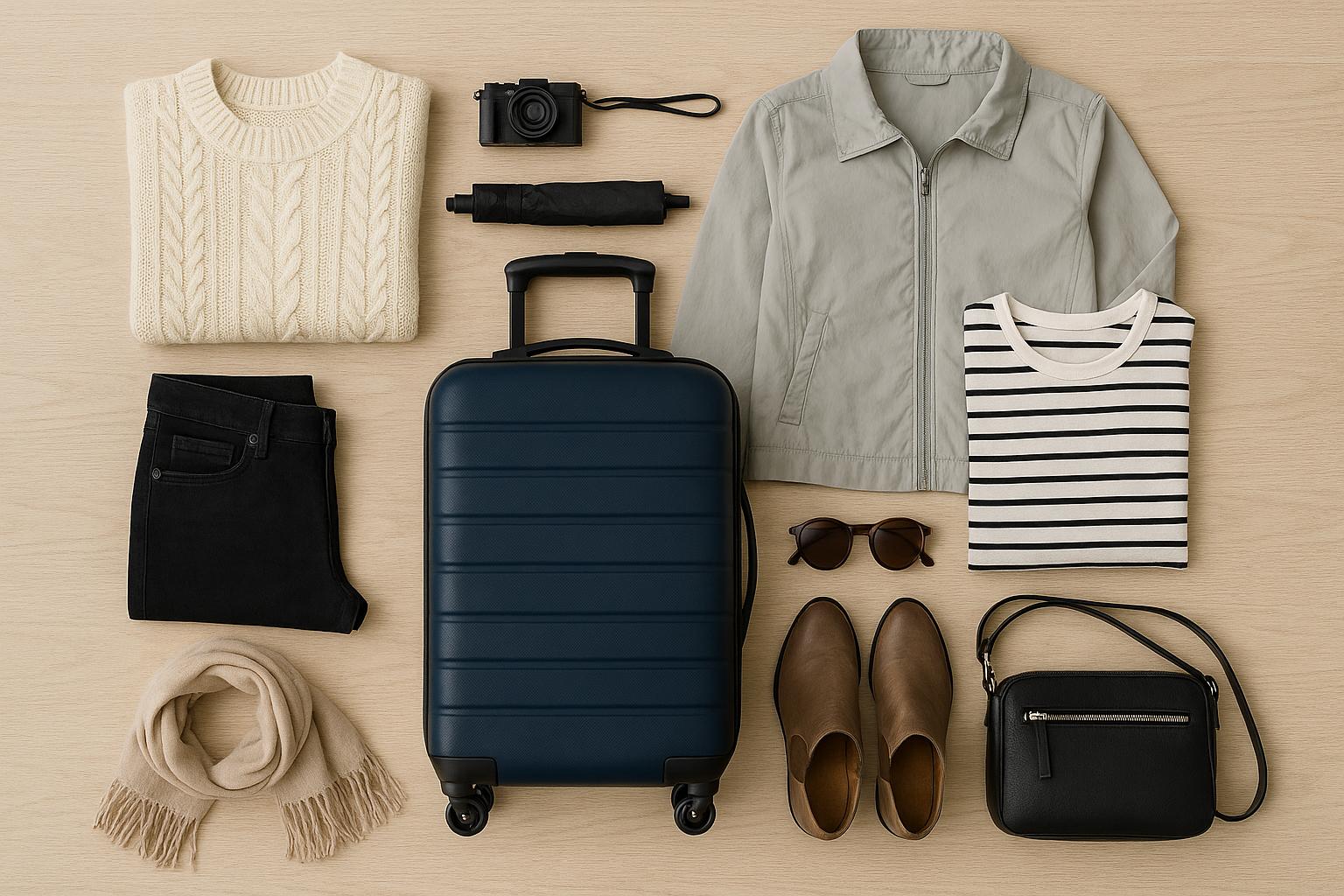
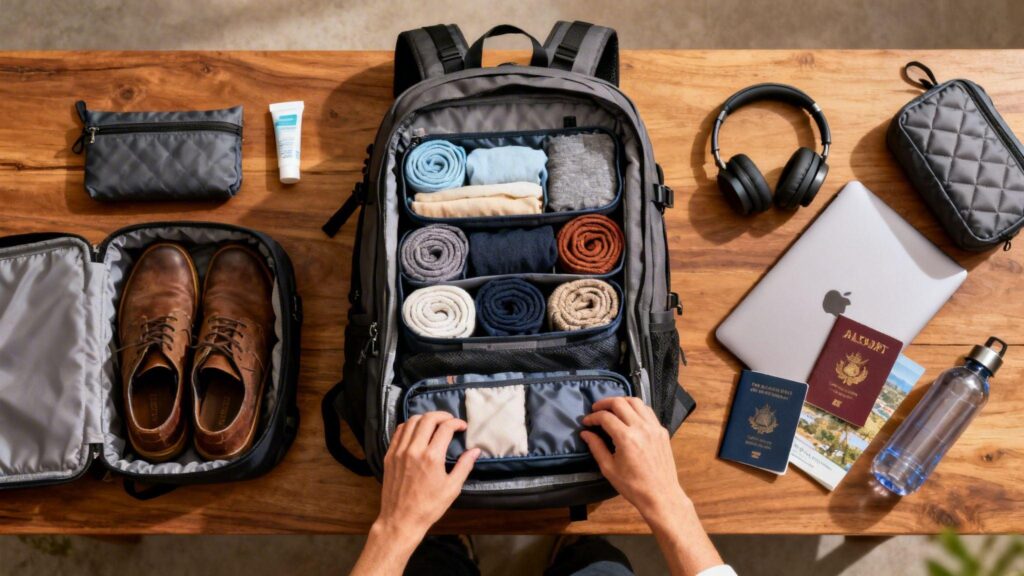
Paying for checked luggage on a budget airline when you could have fit everything in a carry-on is one of the most common mistakes. A carry-on sized bag that is actually optimized for packing, combined with doing laundry every few days, eliminates checked baggage fees entirely. I have traveled for three weeks from a single backpack that fits in the overhead bin. It takes some packing discipline but it is absolutely doable.
Not checking if a free walking tour exists in a city you are visiting. Most major cities have them. You pay what you want at the end. They are usually excellent because the guides work entirely on tips. They have a strong incentive to actually be good. I have taken free walking tours in Lisbon, Krakow, Mexico City, and Seoul. Every single one was better than the paid tours I took earlier in my traveling life.
Exchanging currency before you leave home because you think it will be easier. In most cases it is both less convenient and a worse rate than just using an ATM on arrival. The exception is if you are going somewhere with genuinely limited ATM access. In that case, bringing some cash makes sense. But for most destinations, just wait.
What Budget Travel Actually Feels Like When You Get It Right
It does not feel like deprivation. That is the thing I want to say most clearly.

When I am traveling well on a tight budget, I am eating at the same places the locals eat. This is usually better food than the tourist restaurants anyway. I am staying in neighborhoods where actual life is happening rather than sanitized tourist zones. I am moving around cities the same way residents do rather than being shuttled from attraction to attraction.
The money saved is real. A trip that would cost two thousand dollars done carelessly often costs twelve hundred done thoughtfully. That difference is another trip. Or several months of savings. Or just financial breathing room.
The version of budget travel that means suffering through bad sleep and eating sad sandwiches to save a few dollars is not what I am describing. That version is not worth it. The version where you understand where the actual costs are and make deliberate choices about them lets you travel more, stay longer, and enjoy it more. You are not anxious about the bill the whole time.
The taxi situation from my first trip still makes me cringe a little. It did eventually teach me how to do this properly. I have been traveling better for it ever since.
The Smart Gadget Revolution Changing Everyday Life
My mother called me in a panic last winter because her thermostat was “talking to her.” She had not bought a smart thermostat. She had not asked for one. My brother visited and quietly installed a Google Nest while she was napping. She woke up to a small glowing screen that said good afternoon and told her the temperature was set to 68 degrees.
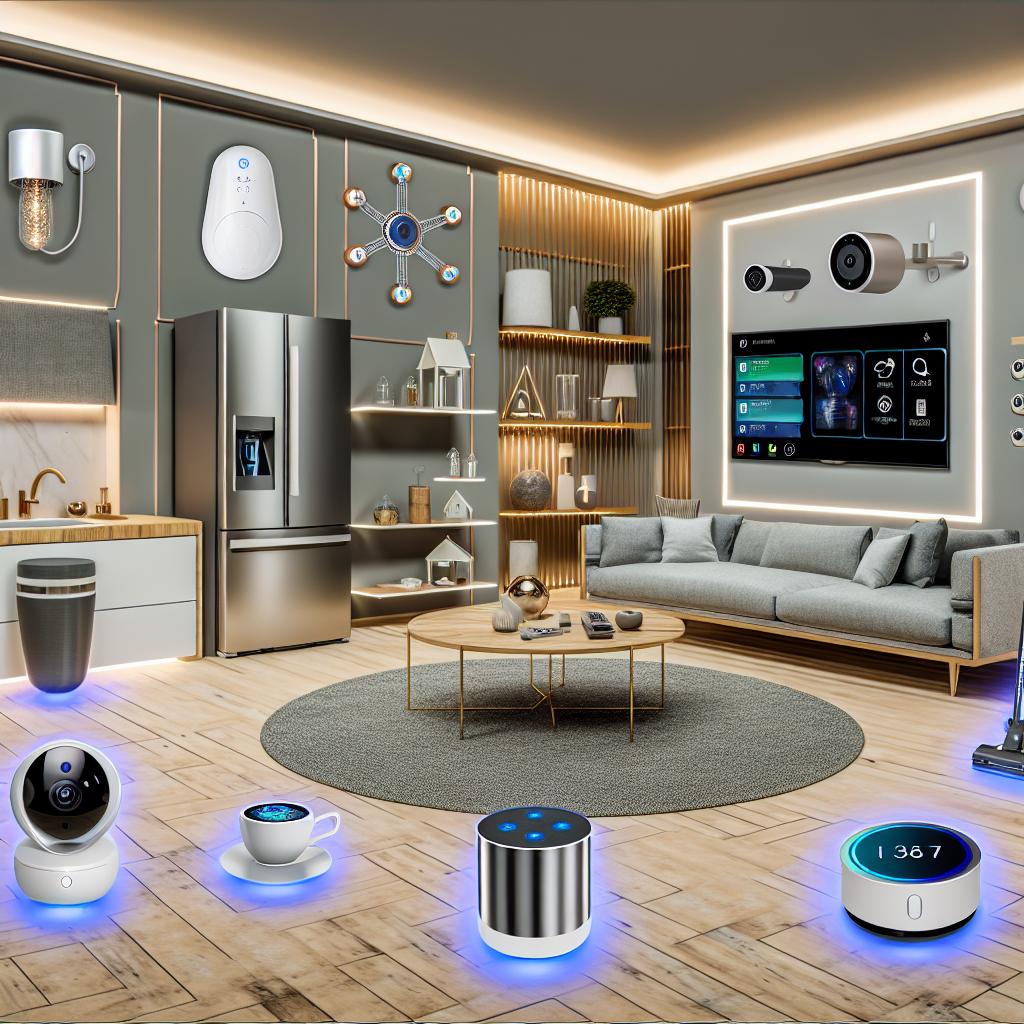
She did not speak to my brother for two days.
I think about that story a lot when people ask me whether smart gadgets are actually changing everyday life. The honest answer is yes, they are. Not always in the ways the product pages describe. Definitely not for everyone at the same pace.
I have been living with smart gadgets of various kinds for about six years now. Some of them changed how I live in genuinely meaningful ways. Some of them are sitting in a drawer because the problem they solved was not actually a problem I had. A few of them were mistakes I paid for and learned from.
Here is what I actually know about this stuff from using it.
How It Started and Why Most People Get Into Smart Gadgets
For most people, the entry point is something small. A smart bulb someone gives them as a gift. A plug-in device that lets them turn an old lamp on and off with their phone. Something cheap and low-stakes that does not require commitment.
That was how it started for me. A friend gave me a TP-Link smart plug for my birthday as a joke because I kept forgetting to turn off my coffee maker before leaving the house. It cost about twenty-five dollars and took four minutes to set up. I plugged my coffee maker into it and connected it to an app on my phone. From that point on I could check whether the coffee maker was on from anywhere and turn it off if it was.
The first time I was on the subway heading to work, I got a notification that I had left it on. I just tapped a button and turned it off without going home. I understood why people get into this. Not because it is futuristic. Because it solved a specific, real, mildly stressful thing in my life.
That is the thread that runs through the best smart gadgets. They solve something specific. The ones that fail, and plenty of them do, are the ones that exist to seem impressive rather than to be useful.
Smart Speakers and What They Are Actually Good For
The Amazon Echo and Google Nest speakers get a lot of attention. I have owned versions of both. My honest take after years of using them is that they are excellent at a narrow set of things and oversold on everything else.
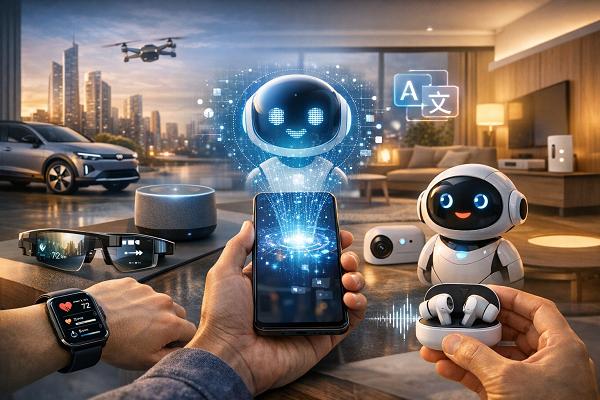
What they are actually great for:
- Setting timers while your hands are covered in dough
- Playing music without touching your phone
- Asking quick questions when you do not want to stop what you are doing
- Controlling other smart devices with your voice when your hands are full
What they are not particularly great for:
- Anything requiring nuance
- Anything where you need to see information rather than hear it
- Anything involving a follow-up question or a back-and-forth conversation
The voice recognition has gotten much better over the years. It still drops the ball enough times that for anything important I just use my phone.
The Google Nest Mini is the one I recommend to people starting out. It is cheap. The sound is decent for casual listening. The Google Assistant is slightly better at understanding natural language questions than Alexa in my experience. If you are already in the Amazon ecosystem and use Prime heavily, the Echo Dot makes more sense.
One thing people do not tell you about smart speakers: they work dramatically better when you connect them to other smart devices. Alone, a smart speaker is a hands-free way to play music. Connected to smart lights, a smart thermostat, and smart plugs, it becomes a genuinely useful hub. The device itself is almost secondary to what it is connected to.
Smart Lighting and Why It Is Probably the Best Starting Point
If I had to tell someone to start with one category of smart gadgets, it would be smart lighting. It has the best ratio of cost to actual life improvement. It is easy to set up. It does not require changing your habits much.
Philips Hue is the most popular system and for good reason. The bulbs are reliable. The app is well designed. The ecosystem is large enough that they work with basically every major smart home platform. The starter kit with a bridge and a few bulbs runs around sixty to eighty dollars. LIFX is the other main option and does not require a separate hub. Setup is even simpler, though the bulbs cost a bit more individually.
The features that sound gimmicky but turn out to be genuinely useful in daily life include scheduled dimming at night. This actually helps with sleep if you are sensitive to light. There is also the ability to turn all lights off with one command when you leave or go to bed. Before smart lights, I would walk through my apartment checking every room. Now I say “goodnight” to the speaker and everything turns off.
The feature that sounds useful but I have used maybe twice: changing the color to something dramatic for ambiance. I set everything to red once for a movie night and then immediately felt like I was in a crime thriller. I switched it back to white. Your experience may vary.
Smart Thermostats and the Energy Bill Conversation
The Nest thermostat is probably the smart gadget I recommend most consistently to people who own their homes. For one simple reason: it actually saves money in a measurable way.
Nest claims users save around ten to twelve percent on heating and cooling bills. My own experience over two years is that my energy bills went down noticeably in the first year. The thermostat paid for itself in roughly ten months. After that it was just savings.
The way it works is smarter than just letting you control temperature from your phone. The Nest learns your schedule over the first week or two. It notices when you adjust the temperature manually and what time you are home. After that it starts programming itself. You wake up and it is already at the temperature you like. You leave for work and it dials back automatically. You come home and it is comfortable again.
The Ecobee is the other serious option. In some ways it is the more technically capable one. It comes with a room sensor. This is useful if different parts of your home need different temperatures. The Nest does not handle this as well out of the box.
Neither of these is a five-minute install if you have an older heating system. I spent about forty-five minutes on mine. I had to look up my specific wiring on YouTube once. It was a one-time thing and I have not thought about it since.
Robot Vacuums and Managing Realistic Expectations
I bought my first robot vacuum believing it would eliminate vacuuming from my life. What actually happened is that it eliminated most vacuuming from my life, with a few significant caveats.

The Roomba j7 series is the one I currently have and it is genuinely good. It maps your home on the first few runs. It learns where the furniture is. It avoids cables and small objects fairly well. You can schedule it to run while you are out. Coming home to floors that are already clean is one of those small things that sounds minor. It genuinely improves how your home feels.
The caveats:
- You have to clear the floor before it runs
- It cannot pick up larger debris
- It does not do stairs
- It gets stuck occasionally, usually on something I forgot to move
Once it ate a sock. I found the sock in the bin looking defeated.
For most people with standard floor layouts, no dogs who shed excessively, and a reasonably tidy floor, a mid-range robot vacuum handles eighty percent of regular vacuuming needs. The Roomba 694 or the Eufy 11S are good options. The premium models with self-emptying bases are genuinely nice if you do not want to deal with the bin every few days. They cost significantly more.
The mistake people make is buying the cheapest possible model and being disappointed. The very cheap robot vacuums bump into things randomly without mapping. They get confused easily and often miss sections of the floor. Spending a little more on a model with actual navigation makes a large difference in how useful it is day to day.
Smart Security Cameras and the Privacy Question Nobody Talks About Enough
Home security cameras have become one of the fastest-growing smart gadget categories. I understand why. The Ring Video Doorbell in particular became genuinely mainstream because it solves a real and relatable problem: knowing who is at your door without having to go to the door.
I have a Ring doorbell and it has been useful in ways I did not expect. Catching a package delivery I would have missed. Seeing that the dog sitter arrived safely. Knowing that the knock I heard at 11 PM was actually just a neighbor who had the wrong house.
But I want to say something about smart cameras that most tech articles skip past: they involve a real privacy trade-off. You should think about this before buying.
Most of these cameras store footage on company servers. Ring is owned by Amazon. The footage you capture exists on Amazon’s infrastructure. This includes your door, your street, your neighbors walking past. Ring has had documented partnerships with law enforcement that allowed police to request footage directly. This does not make Ring a bad product. It does mean you are making a choice about who has access to the recordings from your property.
Wyze is a cheaper alternative that keeps more control on your end. For people who want local storage with no cloud dependency, the Reolink cameras are worth looking into. They record to an SD card in the device itself. You are not putting anything on an external server.
This is not a reason to avoid smart cameras. It is just a reason to know what you are buying.
The Gadgets That Sound Useful But Usually Are Not
Smart refrigerators with touchscreens: I have never met anyone who actually uses the screen features. The refrigerator part works fine. The smart features end up being ignored after the novelty wears off. You are left with a more expensive fridge that has a screen you tap accidentally sometimes.
Smart water bottles that remind you to drink water: The idea is good. The reality is that most people either drink enough water or they do not. A vibrating bottle does not change the underlying habit. A regular large bottle you can see on your desk does the same job.
Smart scales that track your weight over time and connect to an app: This one is actually useful for some people. Specifically people who are actively tracking fitness or health metrics and want the data automatically logged. For most people it is just a scale.
Smart plugs for non-forget-prone appliances: I have a smart plug on my coffee maker because I forget to turn it off. I do not need one on my toaster because toasters turn off by themselves. Thinking about what problem you actually have before buying is the filter that separates useful purchases from gadgets sitting in drawers.
How to Start Without Wasting Money
Buy one thing. Use it for a month. Decide if it actually improved something before buying the next thing.
This sounds obvious but almost nobody does it. The tendency when you get interested in smart home stuff is to buy several things at once. You get overwhelmed during setup. You get annoyed when things do not connect seamlessly. You either give up or end up with a complicated system you barely understand.
Start with a smart plug or a smart bulb. Both cost under thirty dollars. Both are low risk. Both will teach you whether you actually like the way this stuff works before you spend more.
When you add a second device, think about whether it works with what you already have. Google Home and Amazon Alexa are the two main ecosystems. Apple HomeKit is the third option, more private and more controlled but more expensive and with fewer compatible devices. Mixing ecosystems is possible but adds friction. Picking one and sticking to it makes everything simpler.
The subreddit r/homeautomation is genuinely one of the best resources for this. People share real setups, real problems, and real recommendations without the marketing language of product pages.
What Actually Changes When You Live With This Stuff
The honest answer to whether smart gadgets change everyday life is yes, in small and cumulative ways rather than dramatic ones.
My mornings are slightly less chaotic because the lights come on gradually before my alarm. This makes waking up less jarring. My electricity bill is lower because the thermostat stopped heating an empty apartment. I spend less mental energy on small things like whether I locked the door or turned off the stove. I can check both from my phone in about ten seconds.
None of these are life-altering individually. Together they create a home that feels a little more under control. A little less like a series of things to remember. A little more like a place that works for me rather than one I am constantly managing.
My mother eventually made peace with the Nest thermostat my brother installed. She called me three months later to tell me her heating bill was down. She asked if there was a way to make it stop saying good afternoon because she found it unsettling.
We are still working on that one.
Hope that helps! Let me know if you need any tweaks to the formatting, titles, or content.
Pandemics That Changed the World: Lessons from the Plague to COVID
My grandmother used to say that she never shook hands after the 1957 flu pandemic. She just stopped. No one in her town talked about it much. People got sick, some died, life moved on, and everyone quietly adjusted their habits without making a big deal out of it. But those adjustments lasted decades.
That always fascinated me. How something invisible could permanently rewire how millions of people behave, trust, and live together. When COVID-19 arrived in 2020, I kept thinking about her stories. We were not dealing with something new. We were walking a path that humanity had walked before, many times over.
This article is about those paths: the great pandemics of history, what actually happened during them, how people reacted, and what we genuinely learned, or failed to learn, from each one.
The Black Death: When a Third of Europe Simply Vanished
Between 1347 and 1351, the bubonic plague killed somewhere between 30 and 60 percent of Europe’s population. That number is almost impossible to process. In some cities, you could walk for blocks and not find a living person.
The plague arrived on merchant ships from Central Asia, carried by fleas living on black rats. Nobody knew this at the time. People blamed bad air, Jews, strangers, the alignment of planets. Entire Jewish communities were massacred because rumors spread that they had poisoned wells. Fear turned into violence with terrifying speed.
What is remarkable, though, is what came after. The labor shortage that followed the plague was so severe that surviving peasants suddenly had bargaining power for the first time in centuries. Wages rose. Serfdom weakened. The rigid feudal system that had kept European societies frozen for hundreds of years began to crack. Some historians argue the plague contributed to the conditions that eventually led to the Renaissance.
The lesson here is uncomfortable: catastrophe can accelerate change that peaceful progress could not. That does not make catastrophe good. It just means that societies in crisis are sometimes forced to rebuild in ways they never would have chosen voluntarily.
One more thing about the Black Death that does not get mentioned enough: the physicians and city officials who handled it best were the ones who noticed patterns. Venice introduced quarantine, holding arriving ships offshore for 40 days before allowing passengers to land. They did not know the science. They just noticed that when you waited, fewer people got sick. Data-driven instinct, centuries before germ theory.
The 1918 Spanish Flu: The Pandemic We Almost Forgot
Here is something strange. The 1918 influenza pandemic killed somewhere between 50 and 100 million people worldwide. It infected roughly a third of the global population. And yet, for most of the 20th century, it was barely taught in schools, barely referenced in literature, almost treated like a collective embarrassment people wanted to move past.
The Spanish Flu did not actually originate in Spain. Spain just happened to have a free press that reported on it honestly, while wartime censorship in other countries suppressed the news. The name stuck, unfairly.
What made this flu particularly brutal was something unusual: it killed healthy young adults at high rates. Most flu strains hit the elderly and very young hardest. This one seemed to trigger an overreaction in strong immune systems, turning the body’s own defenses into a threat. Cities that held large public gatherings during the fall wave of 1918 saw dramatically higher death rates than cities that closed public spaces quickly.
Philadelphia is the cautionary tale. Officials allowed a massive Liberty Loan parade in late September 1918, with hundreds of thousands of people crowding the streets. Within days, hospitals were overwhelmed. Within weeks, the city had one of the highest death rates in the country. St. Louis, by contrast, cancelled its parade, closed schools and churches, and banned public gatherings. The death rate there was a fraction of Philadelphia’s.
We actually knew this history in 2020. Epidemiologists had studied it, written papers about it, taught it in public health courses. The lesson from 1918 about the cost of hesitation was sitting right there in the literature. In some cities, it was applied. In others, it was not.
Smallpox: The Disease That Took Centuries to Defeat
Smallpox deserves its own conversation because it represents something the others do not: a complete human victory. After killing hundreds of millions of people across several thousand years of recorded history, smallpox was officially eradicated in 1980. The last natural case was in 1977, a hospital cook in Somalia named Ali Maow Maalin.
The road to eradication was not smooth. Edward Jenner’s cowpox vaccine in 1796 was a breakthrough, but global vaccination campaigns took more than 150 years to gain real momentum. The WHO’s Intensified Eradication Programme, launched in 1967, succeeded through something surprisingly unglamorous: stubborn, organized fieldwork. Teams traveled to remote villages, identified outbreaks, vaccinated everyone in the surrounding area, and tracked contacts obsessively.
Ring vaccination, the strategy of focusing vaccines on known cases and their contacts rather than trying to immunize everyone simultaneously, turned out to be more efficient than blanket campaigns in areas with limited supplies.
The smallpox story matters in 2025 because it proves eradication is possible when the global community commits to it. It also shows that commitment is the hard part. Funding dried up repeatedly. Political will wavered. The scientists and health workers who finished the job did so despite institutional obstacles, not because the path was easy.
Cholera and the Birth of Modern Public Health
Most people have not heard of John Snow in any context other than a Game of Thrones character. But the real John Snow, a London physician in the 1850s, essentially invented epidemiology.
During the 1854 Broad Street cholera outbreak in London, Snow did something nobody had done before in quite this way. He mapped the deaths. He went door to door collecting data and plotted each fatality on a street map of Soho. The cluster pointed directly at a single water pump on Broad Street. He convinced local authorities to remove the handle. The outbreak stopped.
The dominant scientific belief at the time was miasma theory: disease spread through bad air. Snow’s evidence pointed to contaminated water, a conclusion that contradicted expert consensus. He was largely dismissed during his lifetime. The germ theory of disease came later, vindicated his work, and built on it.
The cholera pandemics of the 19th century, there were several waves that swept through Asia, Europe, and the Americas, eventually forced cities to invest in sewage systems and clean water infrastructure. London, Paris, New York, Chicago. The investment was expensive and politically contentious. Landlords fought it. Governments delayed. But the death tolls were impossible to ignore forever, and eventually the infrastructure got built.
That infrastructure has probably saved more lives than any drug or vaccine in history. It just does not get the credit because it is pipes underground and water treatment plants outside of town.
HIV/AIDS: The Epidemic That Exposed How Cruelty Spreads Alongside Viruses
When AIDS began appearing in American cities in the early 1980s, the government response was, to put it plainly, catastrophic. President Reagan did not publicly address the epidemic until 1987, six years into the crisis, by which point tens of thousands of Americans had already died.
The disease was initially concentrated in gay men and intravenous drug users, and that fact made it easy for politicians and media to treat it as someone else’s problem. ACT UP and other activist groups had to fight, loudly and relentlessly, for basic research funding and drug approval reforms that should have been standard practice.
The lesson from AIDS that gets talked about in public health circles is that a disease is never just a biological event. It is also a political and social event. How a society responds to an epidemic reveals its priorities, its prejudices, and the limits of its empathy.
What eventually changed the course of the epidemic in wealthy countries was a combination of community organizing, scientific persistence, and pressure that forced institutions to move faster than they wanted to. Antiretroviral treatments developed in the 1990s turned AIDS from a death sentence into a manageable chronic condition for those who could access them. The tragedy is that millions in sub-Saharan Africa could not access those treatments for years after they were available, due to pharmaceutical pricing and patent disputes.
HIV/AIDS also gave the world PEPFAR, launched in 2003 under President George W. Bush, which became one of the most effective global health programs in history, funding antiretroviral treatment for millions of people across Africa. A reminder that meaningful response is possible even after catastrophic early failure.
SARS, MERS, and the Warnings Nobody Took Seriously Enough
SARS emerged in 2003, spread to 29 countries, killed about 800 people, and then was contained. By epidemic standards it was relatively small. But it revealed how quickly a respiratory virus could travel internationally and how unprepared most countries were for rapid containment.
Epidemiologists and public health experts spent the following years writing reports, holding conferences, publishing recommendations. Pandemic preparedness plans were developed. Some countries took them seriously. South Korea, for instance, built response systems after SARS and then after MERS in 2015 that allowed them to move exceptionally quickly when COVID-19 arrived.
Other countries wrote the plans and did not fund them. Stockpiles of protective equipment were used and not replenished. Early warning systems were created and then defunded. One consistent theme across the history of pandemics is that the period right after a crisis is when prevention feels most urgent, and the period five or ten years later, when budgets are being argued over in committee meetings, is when prevention gets cut.
COVID-19: Living Through History Is Disorienting
When COVID-19 arrived, there was something surreal about watching the same debates play out that had played out in 1918. Should we close schools? How quickly should we act? Whose economic interests are we balancing against whose lives?
The scale of COVID was unlike anything in living memory for most people. At its peak, the U.S. was recording more daily deaths than the entire Vietnam War casualty list every few weeks. Globally the death toll crossed seven million officially, and excess mortality estimates suggest the real figure is considerably higher.
What the pandemic revealed, painfully, was that information is not the same as trust. The scientific community had more knowledge about respiratory viruses than at any point in history. The tools for communication were better than ever. And yet misinformation spread faster than the virus in some communities, and the public health infrastructure in many wealthy countries was exposed as dangerously underfunded.
The mRNA vaccine technology that produced the Pfizer and Moderna vaccines was genuinely remarkable. It had been in development for years and was deployed faster than any vaccine in history without cutting corners on safety trials. That was a real achievement. The failure to distribute those vaccines equitably, particularly to low-income countries in the first years, was a real failure.
What the Patterns Actually Tell Us
After going through all of this, the patterns are hard to miss.
Early action consistently produces better outcomes than delayed action. This is documented from Venice’s quarantine in the 14th century to South Korea’s COVID response in 2020.
Marginalized communities consistently bear disproportionate disease burden. This is true of the plague in medieval Jewish communities, AIDS in the 1980s, and COVID-19 among essential workers and communities of color.
The period after a crisis is when the seeds of the next crisis are planted, because urgency fades and budgets shrink and attention moves elsewhere.
Scientific knowledge is necessary but not sufficient. Transmission of knowledge requires trust, and trust requires relationships built over years, not during emergencies.
And perhaps most importantly: the changes that pandemics force tend to outlast the pandemics themselves. The quarantine system survives the Black Death. The sewage infrastructure survives cholera. The vaccine technology survives COVID-19. Societies emerge from these crises with new tools and new instincts, even when the human cost of acquiring them is devastating.
The Uncomfortable Truth About Preparedness
The honest thing to say is that humanity keeps learning these lessons and then forgetting them, or more accurately, deprioritizing them once the immediate threat passes.
The knowledge is available. The historical record is clear. The problem is not that we do not know what good pandemic preparedness looks like. The problem is that it requires sustained investment in systems whose value is invisible during the years they are not being tested, and that kind of sustained, invisible investment is politically and institutionally difficult to maintain.
My grandmother stopped shaking hands after 1957 and nobody thought much of it. She was just quietly carrying a lesson in her body that her lived experience had taught her.
The question history keeps asking is whether societies can carry lessons in their institutions the way individuals carry them in their habits: not as emergency responses, but as permanent, ordinary parts of how things are done.
The plagues and viruses will keep coming. They always have. The variable is not whether we will face the next one. It is how much of what we already know we will manage to keep in place until it arrives.