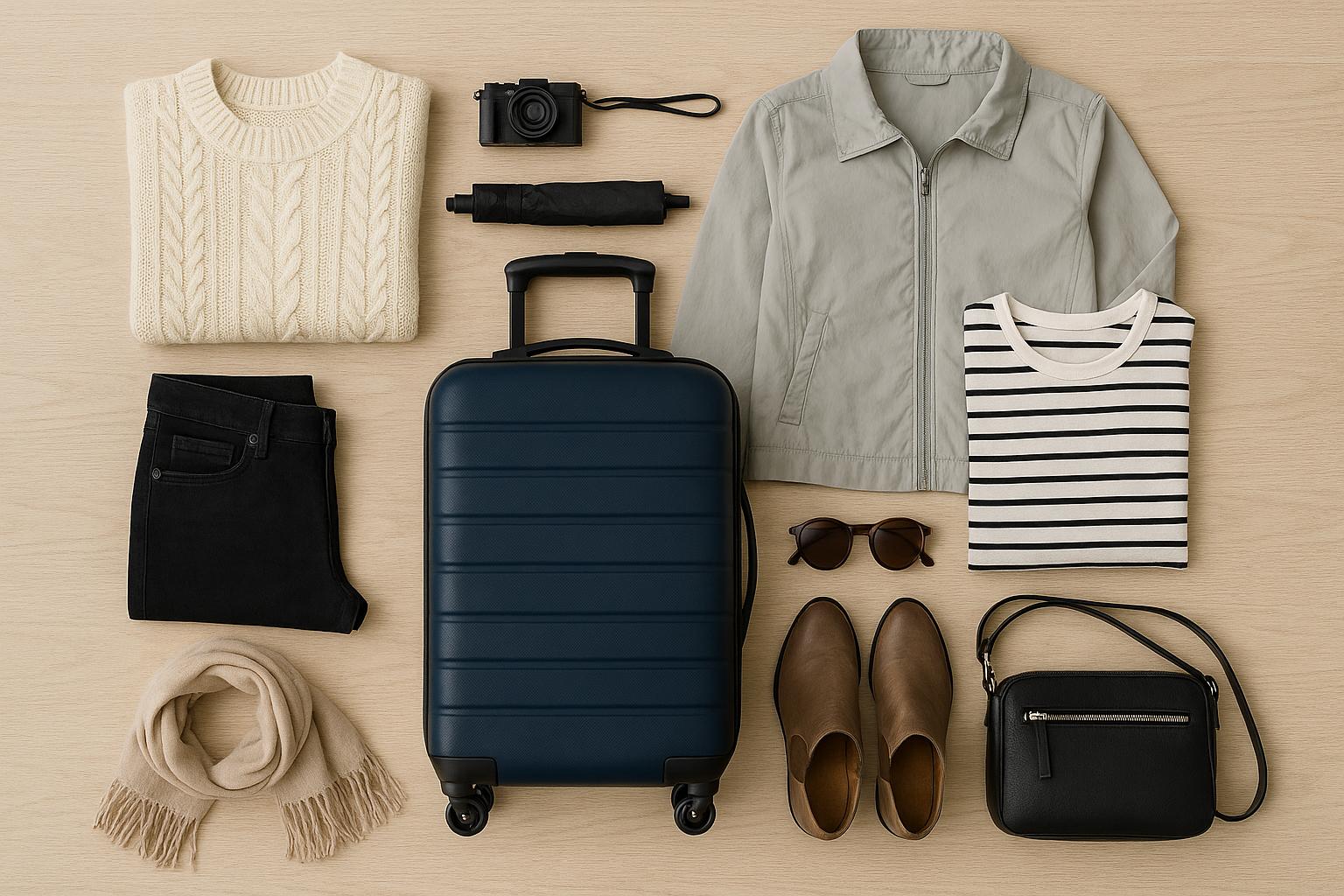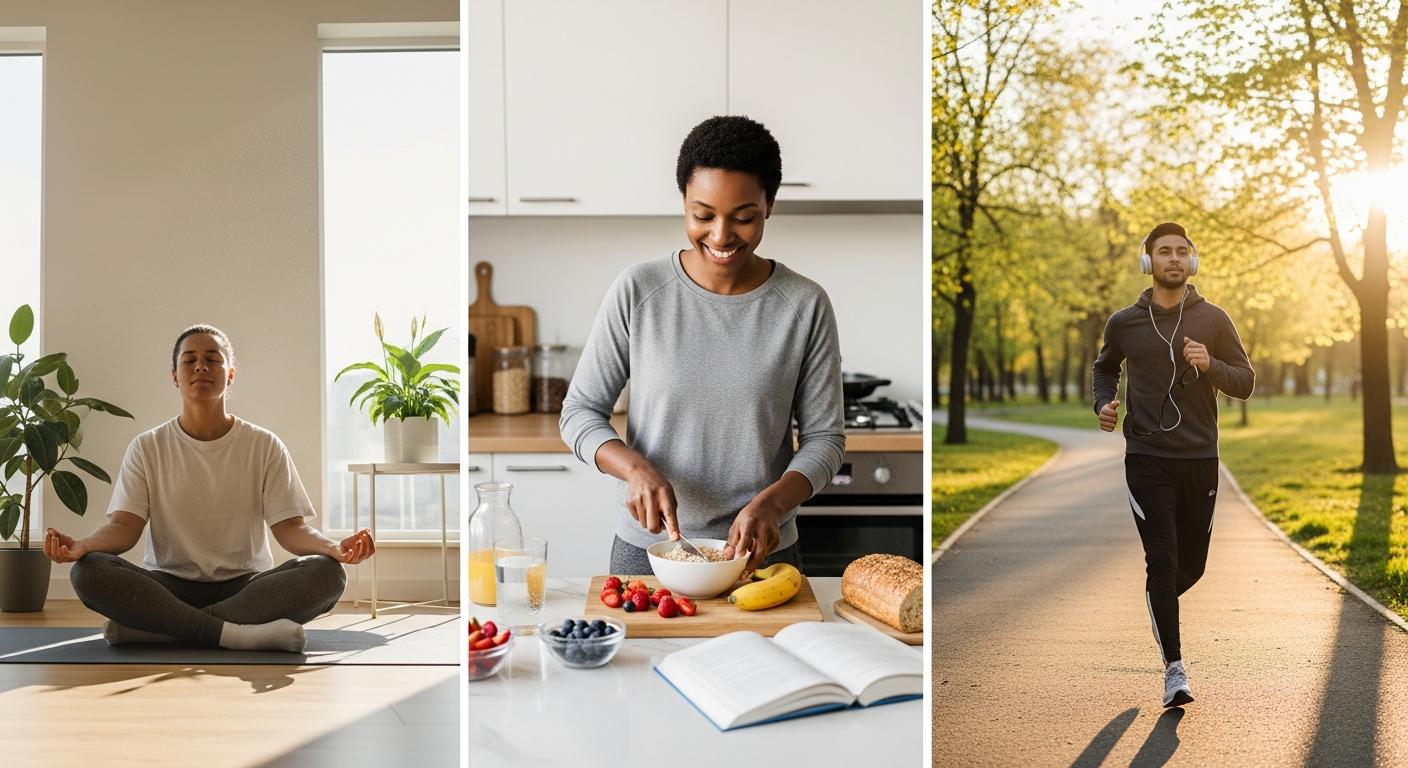


Three years ago, I sat on my kitchen floor surrounded by cardboard boxes. My lease was up. I was moving apartments for the fourth time in two years.

As I packed, I realized something uncomfortable. Half of what I owned, I hadn’t touched in months. A blender I used twice. Clothes with tags still on them. Cables for gadgets I no longer had.
That night, sitting among all that stuff, something clicked. I wasn’t tired from moving. I was tired from managing things I didn’t even want.
That moving day turned into a slow, messy journey toward simplicity. Not the picture-perfect, minimalist Instagram version. Something rougher and more honest. This article is what I learned along the way, including the parts that didn’t work.
Why Simplicity Feels So Hard to Find Right Now
We live in a strange time. Everything promises to make life easier, yet most of us feel busier than ever.
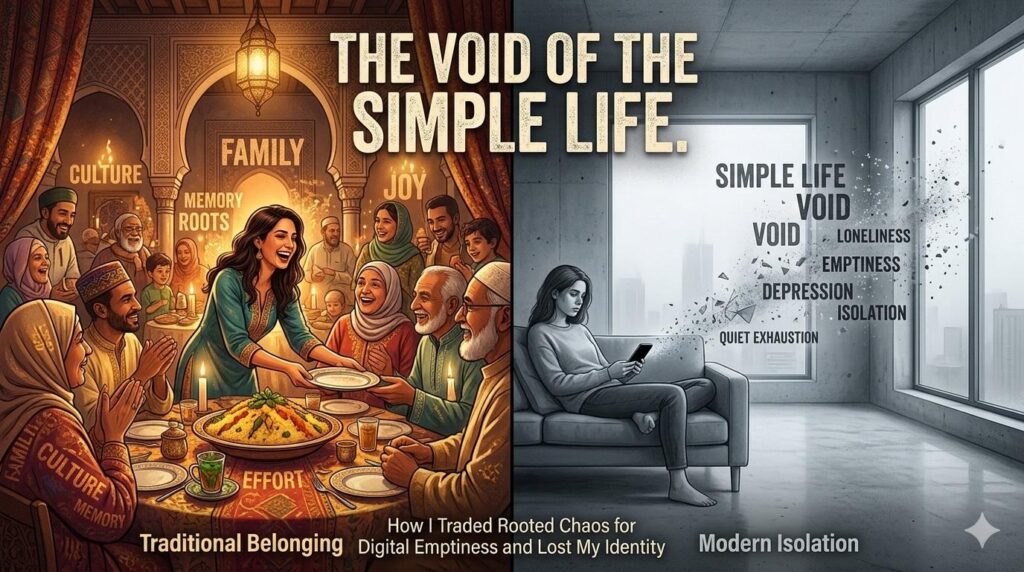
I used to think this was just me. Then I started asking friends, coworkers, even my barber. Almost everyone described the same feeling. Too many apps. Too many notifications. Too many decisions, even small ones like what to watch or what to eat.
A friend of mine, Priya, put it perfectly one evening. She said modern life doesn’t lack convenience. It lacks quiet.
That stuck with me. We’ve built a world full of shortcuts, yet somehow we’re more mentally exhausted than generations before us.
Simplicity isn’t about owning less for the sake of it. It’s about creating space to actually think, breathe, and notice your own life again.
My First (Failed) Attempt at Simplifying
Let me be honest about something. My first attempt at simplifying my life was a disaster.
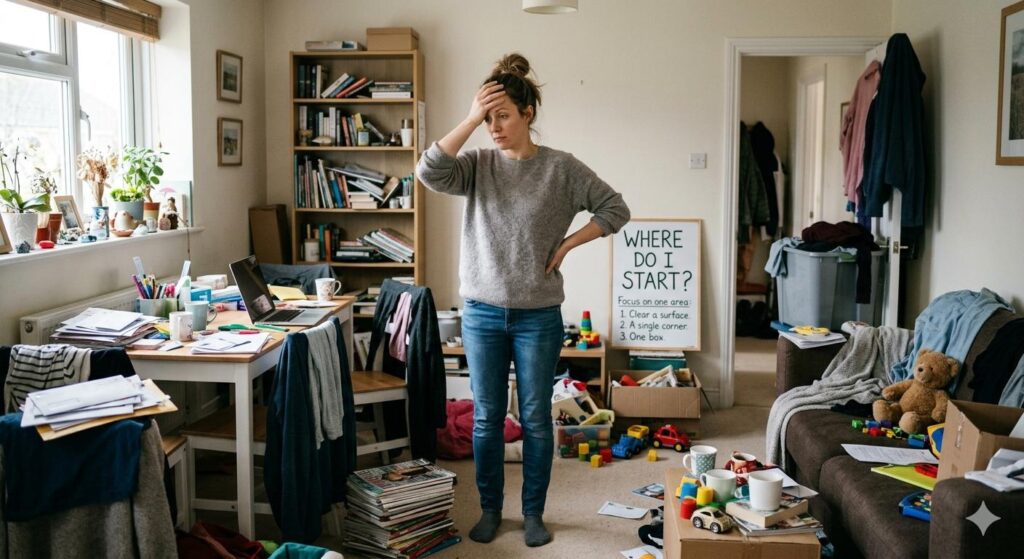
I watched a few decluttering videos. I got excited. Within a weekend, I threw away things I actually needed later. I donated a winter coat, then regretted it during the first cold snap.
I also tried deleting every app off my phone in one afternoon. By day three, I reinstalled half of them because I genuinely needed my banking app and grocery delivery app.
That experience taught me something important. Simplicity isn’t about extreme moves. It’s about intentional ones.
Real simplicity takes a little patience. It’s less about a dramatic before-and-after. It’s more about small, sustainable shifts that actually stick.
What Simplicity Actually Looks Like Day to Day
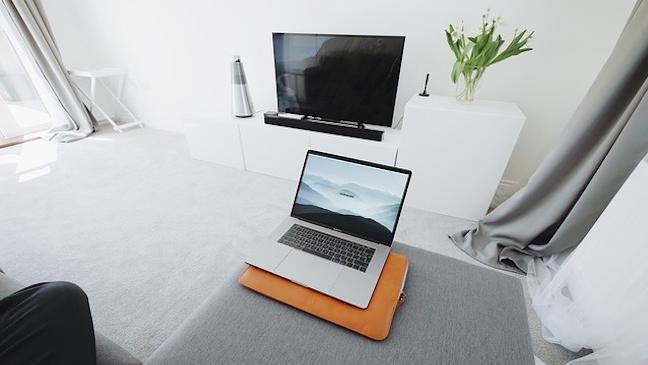
People often picture simplicity as an empty white room with one chair. That’s not reality for most of us.
For me, simplicity looks like fewer tabs open on my laptop. It looks like a calendar that isn’t packed edge to edge. It looks like actually finishing a book instead of switching between five different Netflix shows every night.
It’s less visual, more mental. A quieter mind. Fewer half-finished tasks pulling at your attention.
A Small Story About My Mornings
For years, my mornings started with grabbing my phone before I even sat up in bed. Email, texts, social media, all before my feet touched the floor.
I decided to try something small. I moved my phone charger to the kitchen instead of my nightstand.
That one change altered my entire morning. I had to physically get up to check my phone. Most days now, I don’t check it until after I’ve made coffee.
It sounds tiny. It genuinely reshaped how my day starts.
Step-by-Step: How to Simplify Without Overhauling Your Whole Life
If you’re curious where to start, here’s the approach that actually worked for me, after failing with the extreme version.
Step 1: Pick one area, not everything
Trying to simplify your home, schedule, and digital life all at once leads to burnout. Choose one area first. Maybe it’s your closet. Maybe it’s your inbox.
Step 2: Ask a simple question about each thing
For physical items, ask yourself if you’ve used it in the last six months. For digital tools, ask if it saves you time or steals it.
I use this question constantly now, even for apps. My screen time app, actually the built-in iPhone Screen Time feature, showed me I was spending almost two hours a day on apps I couldn’t even remember opening.
Step 3: Remove in small batches
Don’t do a giant purge in one sitting. Set a timer for twenty minutes. Go through one drawer, one folder, one shelf.
Small batches prevent the regret-donation problem I mentioned earlier with my winter coat.
Step 4: Create friction for things you want less of
This one changed things for me the most. I moved social media apps off my home screen, into a folder on the second page.
That tiny bit of extra effort was enough to break the mindless scrolling habit. I still use the apps, just far less often.
Step 5: Build one simple routine, then stop tweaking it
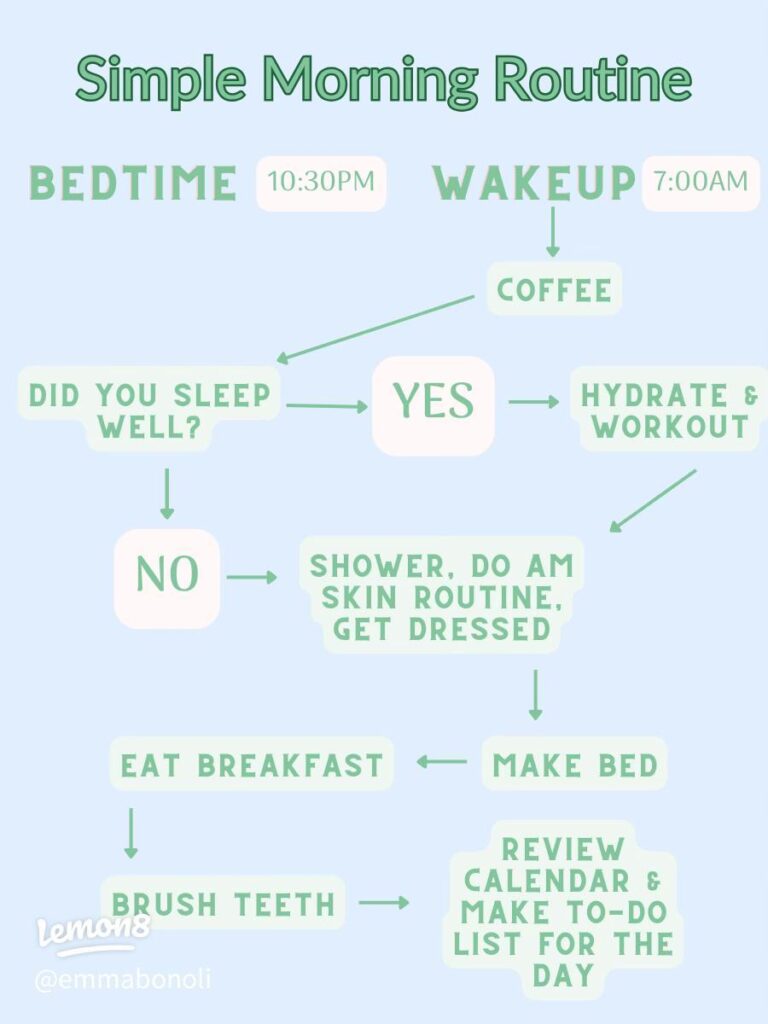
I used to constantly change my morning routine, trying new productivity hacks every other week. Eventually, I picked one simple version. Coffee, ten minutes of stretching, then checking my calendar. That’s it.
Consistency matters more than optimization. A decent routine you actually follow beats a perfect one you abandon after five days.
Step 6: Simplify your commitments, not just your stuff
This part gets skipped a lot. People simplify their closets but keep saying yes to every invitation, every favor, every extra project at work.
I started using a simple rule. Before agreeing to something new, I ask if I’m excited about it or just avoiding the discomfort of saying no.
Real Examples From People Who Simplified Different Parts of Their Life
I talked to a few people while researching this piece, since I wanted more than just my own experience.

My coworker Sam simplified his finances using just two apps, Mint for tracking spending and a single savings account for emergencies. He used to juggle five different budgeting spreadsheets. Now he checks one app once a week.
My neighbor Elena simplified her wardrobe down to about thirty pieces that all mix and match easily. She said getting dressed used to eat up fifteen minutes of decision-making every morning. Now it takes under five.
A former manager of mine simplified his meetings. Instead of hour-long weekly check-ins, his team switched to fifteen-minute stand-up meetings using a shared Notion doc for updates. Meetings shrank. Output actually improved.
None of these people live in empty white rooms. They just cut out the excess noise around the things that actually mattered to them.
The Emotional Side Nobody Talks About
Here’s something I didn’t expect. Simplifying isn’t just practical. It’s emotional too.

Getting rid of certain items brought up memories I wasn’t ready for. A box of old concert tickets. Letters from a friendship that had faded.
Simplicity forces you to confront things you’ve been avoiding, not just physical clutter but emotional clutter too.
I’m not saying you need to throw away everything sentimental. I kept a small box of meaningful items. The key was being intentional about what stayed, rather than keeping everything out of guilt or habit.
Digital Simplicity Deserves Its Own Attention
Physical clutter gets most of the attention in this conversation. Digital clutter deserves equal focus, honestly maybe more.
Think about how many notifications hit your phone daily. Think about how many browser tabs you currently have open right now. I had over forty tabs open before I started this cleanup process. Forty.
A few small changes helped me here specifically.
I turned off almost all app notifications except calls, texts, and calendar reminders. I unsubscribed from newsletters I never actually opened, using a tool called Unroll.me to batch unsubscribe instead of doing it one email at a time.
I also started using a simple note-taking app, just Apple Notes, instead of juggling four different productivity apps that all claimed to organize my life better than the last one.
None of this requires expensive software. Most of it just requires deciding what you actually need versus what you downloaded during a random productivity kick two years ago.
Common Mistakes People Make When Trying to Simplify
I’ve made most of these myself, and I’ve watched friends make the rest.
Going too extreme, too fast. Radical changes rarely stick. A closet purged in one aggressive weekend often gets slowly refilled within a few months, because the change wasn’t sustainable to begin with.
Confusing simplicity with deprivation. Simplicity isn’t about owning nothing or doing nothing. It’s about keeping what actually adds value and removing what doesn’t.
Ignoring the digital side completely. People focus heavily on physical clutter while ignoring the mental drain of endless notifications, tabs, and subscriptions.
Trying to copy someone else’s version of simple. What feels simple for one person might feel restrictive for another. A minimalist wardrobe works great for some people. Others genuinely love variety in their clothes, and that’s fine too.
Forgetting to simplify commitments and relationships. People obsess over decluttering objects while staying overcommitted socially or professionally. That imbalance keeps the stress levels high no matter how clean the house looks.
Treating it as a one-time event instead of an ongoing habit. Simplicity isn’t a weekend project you finish and forget. It requires small, regular check-ins, kind of like maintaining a garden instead of planting it once and walking away.
What Changed for Me After a Year of This
A year after that cardboard box moment on my kitchen floor, my life looks noticeably different, though not dramatically so from the outside.

My apartment isn’t empty. It’s just intentional. Everything in it gets used or genuinely appreciated.
My schedule has actual breathing room now. I don’t fill every hour anymore just because I technically could.
My phone feels like a tool again, not a constant pull on my attention.
The biggest shift honestly happened in my head. I make fewer decisions about meaningless things now, which somehow leaves more energy for decisions that actually matter.
Final Thoughts
Simplicity isn’t about living with less for the sake of some aesthetic trend. It’s about creating room for the things that genuinely matter to you, whether that’s time, relationships, creativity, or just a quiet morning without fifteen notifications waiting on your phone.
Modern life keeps adding more. More apps, more options, more noise, more things demanding your attention every single day. Simplicity is one of the few tools we actually have to push back against that, gently and on our own terms.
You don’t need to overhaul your entire life this weekend. Start with one drawer. One habit. One notification setting. The rest tends to follow once you feel how much lighter that first small change actually makes things.