
The Moment I Actually Held a Foldable Phone for the First Time
A friend pulled out his Samsung Galaxy Z Fold at a coffee shop last year, and I genuinely did a double take. Not because I hadn’t seen one in ads — I had. But watching someone casually unfold a phone into something that looked like a small tablet, use it for two minutes, then fold it back into a pocket-sized device felt like a scene from a sci-fi movie playing out over a flat white.
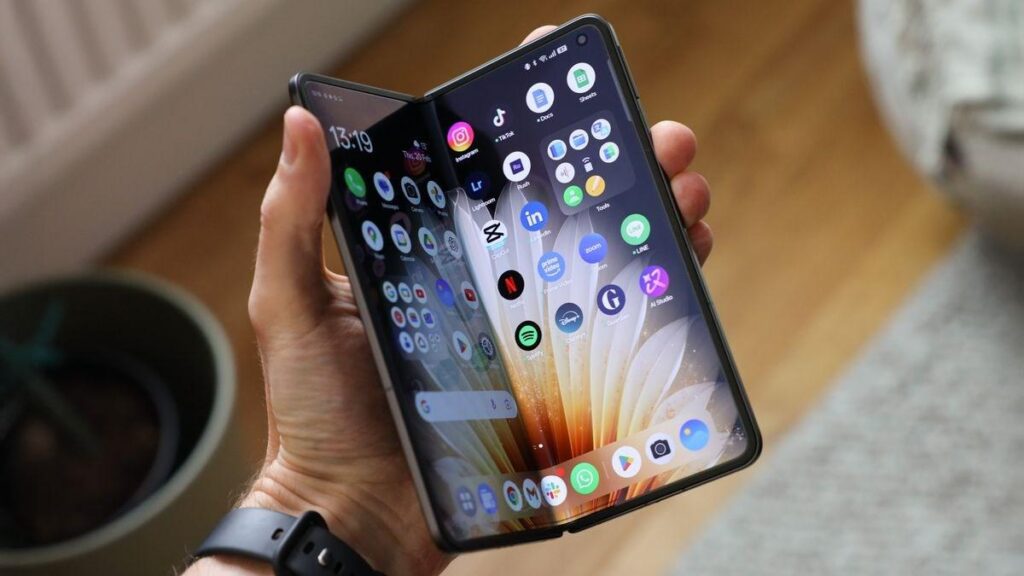
My first reaction was pure skepticism. The thing cost more than my laptop. The crease down the middle of the screen was visible from across the table. And when my friend mentioned he’d already had one screen replaced, I mentally filed foldable phones under “cool but pointless.”
That was fourteen months ago. My opinion has shifted considerably since then — not entirely, but enough that the question deserves a genuinely honest look. Are foldable screens a luxury gimmick dressed up in innovation clothing, or are they quietly becoming something that will reshape how we interact with personal technology?
Let me walk through what I’ve learned, what the real-world experience actually looks like, and how to think about this if you’re considering one.
What Foldable Screens Actually Are and How They Work
Most people have a vague sense of what foldable phones are, but the technology underneath is more interesting than the marketing suggests.
Traditional smartphone screens use rigid glass panels. Foldable screens use ultra-thin flexible polymer displays — essentially plastic-based OLED panels engineered to bend thousands of times without cracking. The hinge mechanism is the engineering marvel holding everything together, designed to withstand hundreds of thousands of fold cycles while maintaining precise alignment every single time.
Samsung, Huawei, Google, Motorola, and OnePlus have all released foldable devices in recent years. Two main form factors have emerged from all that development: the book-style fold, where the phone opens like a small book into a tablet-sized display, and the flip-style fold, where a traditional-sized screen folds in half vertically to become a compact, pocketable square.
The Difference Between Book Folds and Flip Folds
Book-style foldables like the Samsung Galaxy Z Fold 6 and Google Pixel 9 Pro Fold target people who want genuine multitasking — running two apps side by side, reading documents on a larger canvas, or using the phone more like a tablet replacement.
Flip-style foldables like the Samsung Galaxy Z Flip 6 and Motorola Razr Plus appeal to a completely different use case. The screen isn’t larger when open — it’s just a normal-sized smartphone. The appeal is compactness when closed and a certain retro-cool aesthetic that has genuinely resonated with younger buyers.
Understanding which category interests you is the first practical step before evaluating whether any of this makes sense for your life.
The Real Problems Nobody Talks About Enough
Every tech review covers the crease. Almost every foldable phone has a visible line down the center of the display where the screen folds, and whether it bothers you is entirely personal. Some people genuinely stop noticing it after a week. Others find it permanently distracting, especially when watching video or reading text that crosses the fold line.
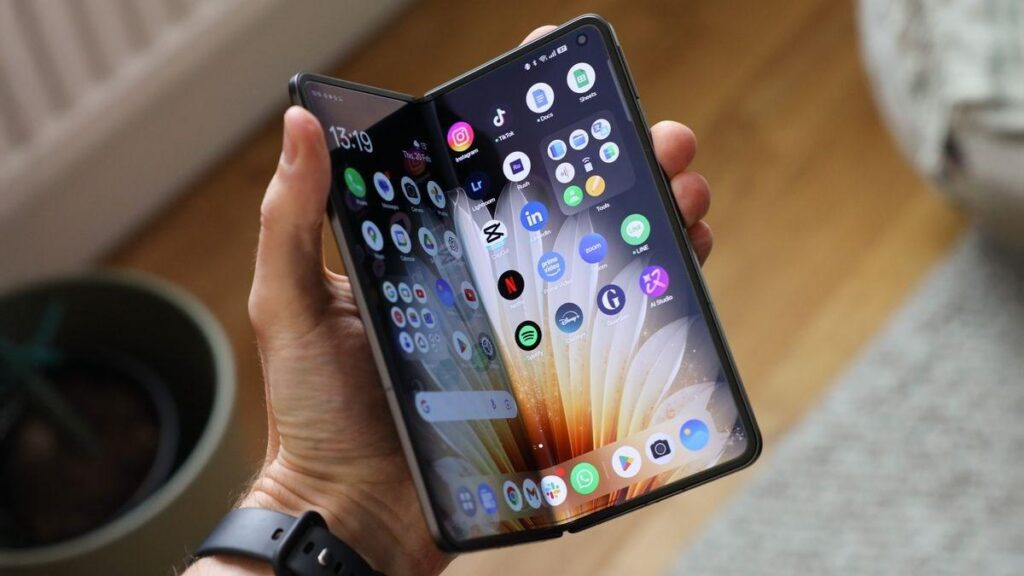
Durability remains a legitimate concern worth taking seriously. Flexible polymer displays scratch more easily than hardened glass. Most manufacturers include screen protectors pre-applied from the factory, and removing them — even accidentally — can damage the display underneath. Cases exist but add bulk to a device that’s already thicker than a standard phone when folded.
Battery life on book-style foldables tends to be average at best, largely because powering a larger display requires significant energy. Carrying a device through a full day of heavy use sometimes means reaching for a charger earlier than you would with a conventional flagship phone.
The Price Problem Is Real
Foldable phones are expensive — genuinely, significantly expensive. The Samsung Galaxy Z Fold 6 launched at around $1,899. Even the more accessible flip-style devices start at $999 and climb quickly with storage upgrades.
At those prices, the value calculation becomes uncomfortable. For the same money, a conventional flagship like the iPhone 16 Pro or Samsung Galaxy S25 Ultra delivers comparable cameras, better battery life, greater durability, and no crease in the display.
The premium you’re paying for a foldable is almost entirely for the form factor itself. Whether that’s worth it depends completely on whether the form factor solves a real problem in your specific daily life.
Where Foldable Phones Actually Shine
After spending time with multiple foldable devices and talking to people who use them daily, specific use cases emerge where the format genuinely earns its price premium.
Frequent travelers who carry both a phone and a tablet benefit meaningfully from a book-style foldable. Collapsing two devices into one — even imperfectly — reduces bag weight and pocket space while keeping a larger screen accessible when needed. Airlines, airport lounges, and hotel rooms become more manageable with one device serving both functions.
People who read extensively on their phones — long articles, e-books, PDFs, research papers — find the larger display genuinely transformative. Reading on a 7.6-inch unfolded screen versus a 6.1-inch conventional phone is a meaningfully different physical experience, not just a marginal improvement.
Professionals who need to reference documents while working in other apps benefit from the split-screen multitasking that book-style foldables handle better than any conventional phone. Checking a spreadsheet while writing an email, or comparing two documents simultaneously, works in a way that feels genuinely productive rather than gimmicky.
The Flip Phone Renaissance Is Real
Flip-style foldables deserve separate attention because they solve a different problem entirely. Conventional smartphones have gotten large — uncomfortably large for many pockets, bags, and hands. A flip-style foldable offers a full-sized smartphone experience that collapses to roughly half the length when not in use.
For people who hate how much space phones now occupy, or who want something that feels distinct from the identical slab aesthetic dominating the market, flip foldables make genuine sense. The Motorola Razr Plus in particular has attracted a devoted following among users who value compactness and style over raw performance metrics.
The cover screen on modern flip foldables — the small external display visible when the phone is closed — has also improved dramatically. Glancing at notifications, controlling music, checking the time, or even taking selfies using the main cameras without opening the phone has become genuinely useful rather than a marketing footnote.
How to Decide if a Foldable Phone Makes Sense for You
Start by honestly auditing how you use your current phone. Track what you actually do with it across a typical week — not what you intend to do, but what you actually spend time on. If the majority of your usage is calls, social media scrolling, and casual photography, a foldable phone will not meaningfully improve your experience and will cost you significantly more.
Visit a physical store and handle the device before buying. Reading reviews is useful, but the crease, the hinge feel, the folded thickness, and the weight are all things that land differently in person than they do in photographs. Samsung, Google, and Motorola all have devices available in major retail locations for hands-on evaluation.
Consider the software ecosystem carefully. Samsung’s foldable phones run the deepest software optimization for the form factor — apps are tuned to use the larger display intelligently, and features like Flex Mode (which optimizes the interface when the phone is partially folded) add genuine utility. Google’s Pixel Fold lineup has improved but still lags Samsung in app ecosystem optimization.
Practical Steps Before You Buy
Research the return policy before purchasing. Most major carriers and retailers offer 15 to 30-day return windows, which provides enough time to genuinely test whether the form factor fits your life rather than just impresses you during the first 48 hours.
Buy through a carrier rather than unlocked if possible — carrier deals on foldables often include meaningful trade-in credits that significantly reduce the effective purchase price. A $1,899 device with a $700 trade-in credit on a current flagship becomes a very different financial conversation.
Invest in a good case from day one. The Spigen Tough Armor and Ringke Fusion cases are popular choices that add protection without excessive bulk. Protecting the hinge and the outer display from drops is genuinely critical given replacement screen costs.
Check the warranty terms specifically for screen damage. Samsung’s Care Plus program covers accidental damage with a deductible, which matters significantly for a device with screens that cost hundreds of dollars to replace independently.
Common Mistakes People Make With Foldable Phones
Buying based on novelty alone is the most expensive mistake in this category. The wow factor of unfolding a phone in front of people fades within two weeks. What remains is a daily driver device that needs to earn its premium through genuine utility, not social cachet.
Ignoring the software experience in favor of hardware specs leads to disappointment. A foldable phone running apps that aren’t optimized for the larger display looks worse than a conventional phone, not better. Checking app compatibility for your most-used applications before purchasing saves significant frustration.
Underestimating the learning curve catches many buyers off guard. Using a book-style foldable productively — mastering the multitasking, the flex mode features, the taskbar shortcuts — takes genuine time and intention. People who don’t invest that learning time often return devices that would have served them well with more patience.
Skipping screen protection entirely is a mistake that proves costly. The pre-applied factory screen protectors on most foldables aren’t optional accessories — removing them to replace with aftermarket alternatives, unless done carefully, risks permanent display damage.
What the Next Few Years Actually Look Like for Foldable Technology
Manufacturing costs for flexible displays are coming down steadily, and that trajectory matters. The price gap between foldable and conventional flagship phones has already narrowed from approximately $800 two years ago to closer to $500 today. Continued cost reduction makes the mainstream adoption conversation more realistic with every product cycle.
Display technology is improving faster than early skeptics predicted. The crease on current generation devices is significantly less pronounced than first-generation foldables. Several manufacturers have demonstrated prototype displays with nearly invisible fold lines, suggesting the crease problem is an engineering challenge being actively solved rather than an inherent limitation.
Software optimization is accelerating as the installed base grows. More users means more developer incentive to build foldable-aware apps, which creates better experiences, which attracts more users. Google’s Android updates have increasingly prioritized large-screen and foldable optimization, bringing the software ecosystem closer to where the hardware already is.
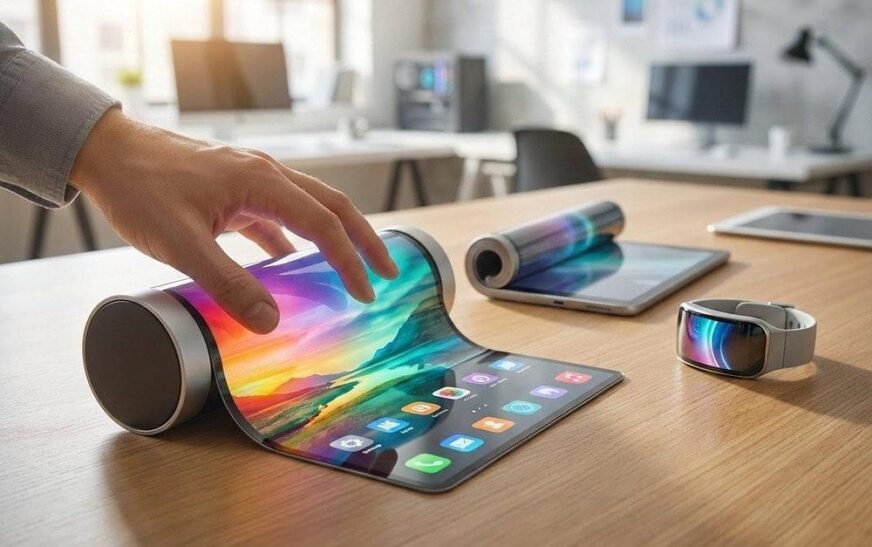
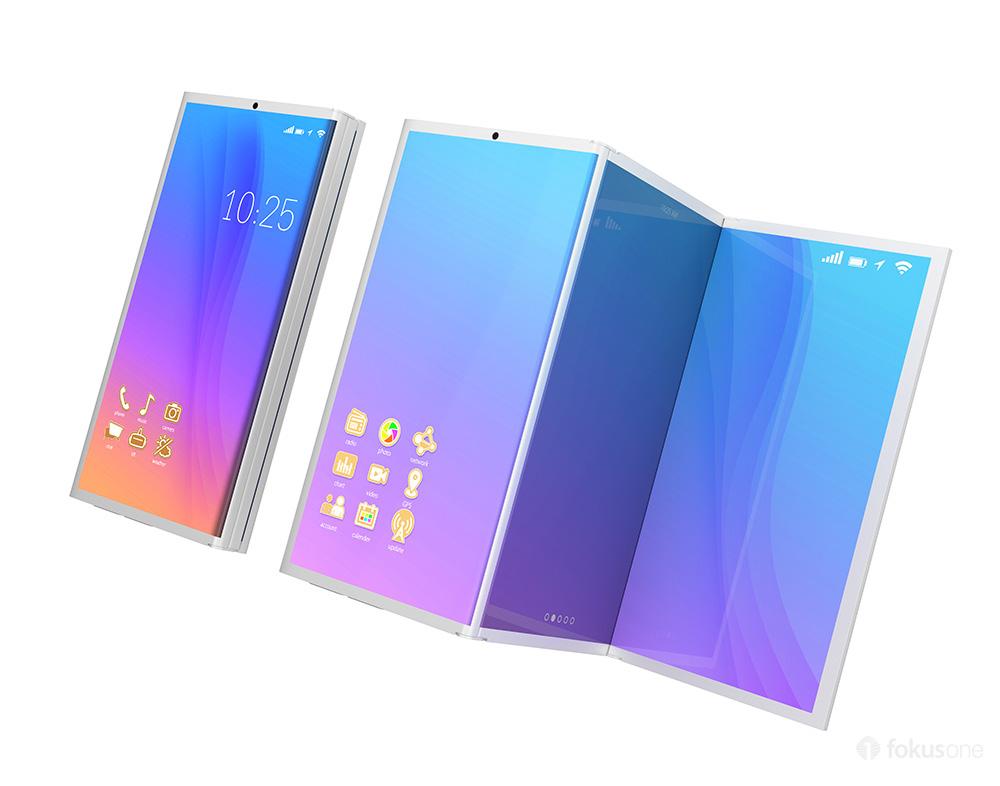
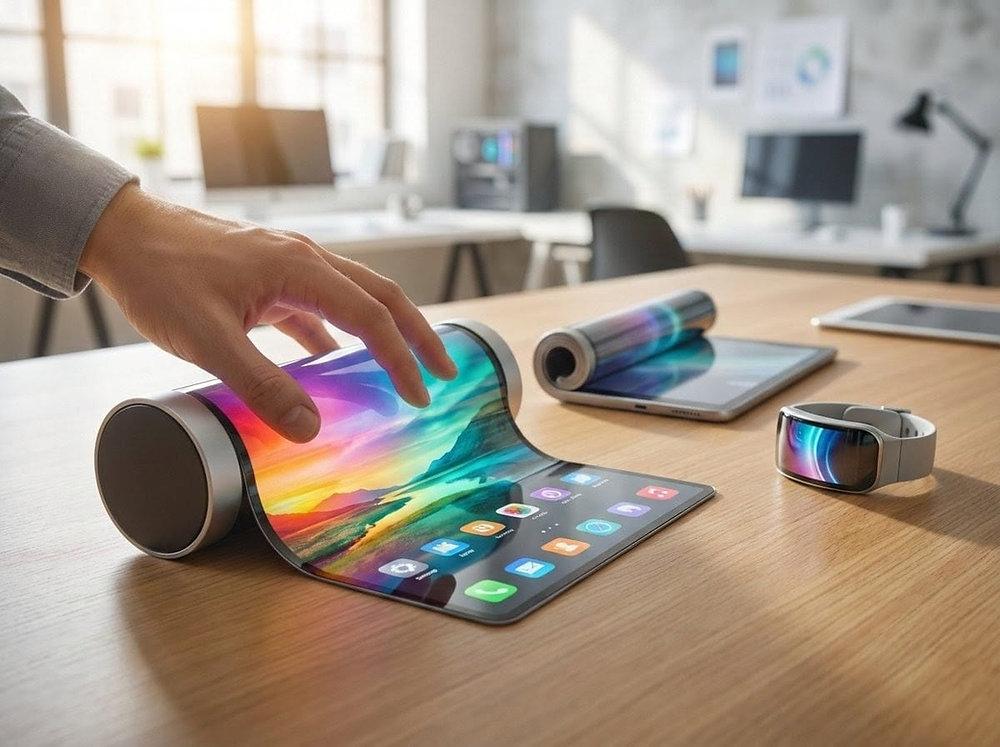
The form factor experimentation extends beyond phones too. Foldable laptops from Lenovo and ASUS have appeared in limited quantities. Rollable displays — screens that extend outward rather than folding — are in active development at LG and Samsung. The flexible display revolution isn’t exclusively a smartphone story.
The Honest Answer to the Gimmick Question
Calling foldable phones a gimmick felt accurate in 2019 when first-generation devices cost $2,000, broke within months, and ran software that had no idea what to do with a folding screen.
Calling them a gimmick in 2025 requires ignoring meaningful evidence to the contrary. Millions of units are selling annually. Manufacturing quality has improved substantially. Real users are reporting genuine productivity benefits that justify the premium for their specific situations.
Calling them the undisputed next big thing overstates where the technology currently sits. The price remains prohibitive for most buyers. Durability still trails conventional phones. The crease is real and visible. Software optimization, while improving, remains uneven across the app ecosystem.
The most accurate answer sits somewhere between those poles: foldable screens are a genuine technological advancement that works well for specific people with specific needs, priced at a premium that makes sense for some budgets and feels absurd for others.
Whether they become the dominant smartphone form factor within a decade depends on how aggressively costs fall and how convincingly the remaining durability and software gaps close.
What’s certain is that bendable screens aren’t going away. The technology is real, the improvements are consistent, and the use cases are expanding. Dismissing them entirely at this point requires the same skepticism that once dismissed touchscreens, wireless charging, and dual cameras as unnecessary novelties.
History has a way of making that kind of skepticism look short-sighted — usually faster than anyone expects.