
I still remember standing on the deck of a retired attack submarine at a naval museum a few years ago, ducking my head through a hatch that felt barely wide enough for my shoulders. The guide made a joke about how submariners used to be picked partly for their height. Everyone laughed. Then he mentioned, almost as an afterthought, that this same class of boat had a sister ship that never surfaced again. The laughter stopped pretty fast after that.
That moment stuck with me. Not because it was shocking in some dramatic movie way, but because of how ordinary the whole thing sounded. A routine dive. A short message to the surface. Then nothing. No explosion anyone heard on the news, no dramatic rescue, just silence where there used to be a signal.
Since then I have spent way more hours than I probably should reading about submarines that went down and never came home. Not out of morbid curiosity exactly, more because the mystery of it pulls you in. A submarine disappearing is different from a plane crash or a ship sinking on the surface. There is no wreckage floating for searchers to spot. There is no black box that pings a beacon and floats. Sometimes there is nothing at all for weeks, months, or in a couple of cases, decades.
If you have ever wondered how something the size of a small apartment building, packed with trained sailors and (in some cases) nuclear reactors, can just vanish, this is the topic where it actually makes sense once you understand a little about pressure, depth, and how the ocean genuinely does not care how advanced your engineering is.
Why Submarines Disappear Instead Of Just Sinking
A surface ship that gets into trouble usually stays near the surface. It might list, take on water, even roll over, but people can often get into lifeboats. A submarine in trouble is a completely different situation.
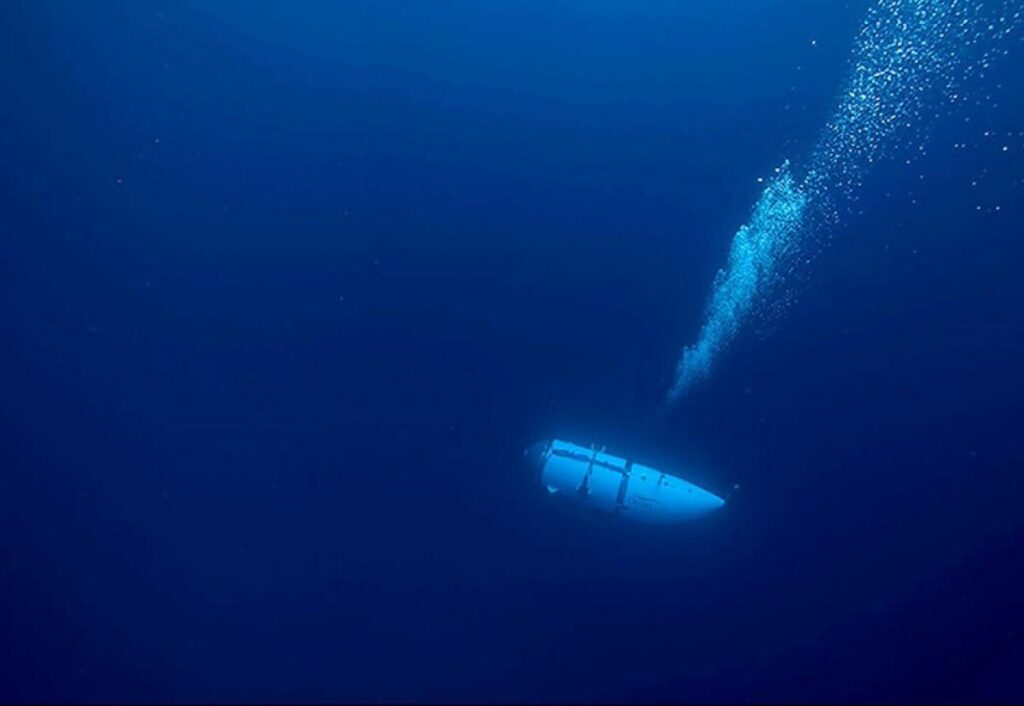
Submarines operate under pressure that increases fast the deeper they go. Somewhere around a thousand feet down, on many classic Cold War era boats, the hull is already flirting with what engineers call collapse depth. Past that point, the ocean does not gently flood the compartments. It crushes the hull inward in a fraction of a second, faster than a human nervous system can even register pain.
That is genuinely what investigators concluded happened to the USS Thresher back in April 1963. During deep diving tests roughly 220 miles east of Cape Cod, the sub sent a garbled message about a minor problem to the surface support ship Skylark. Minutes later, sonar picked up the sound of the hull breaking apart as it fell toward the bottom. All 129 men aboard, including shipyard workers running final checks, were lost. Investigators later pointed to a piping failure that let seawater into the engine room, which knocked out electrical power and left the crew unable to blow the ballast tanks fast enough to stop the descent.
What gets me every time I read about Thresher is how mundane the failure point was. Not a torpedo, not enemy action, just a brazed joint in a pipe that could not handle the pressure it was suddenly asked to hold.
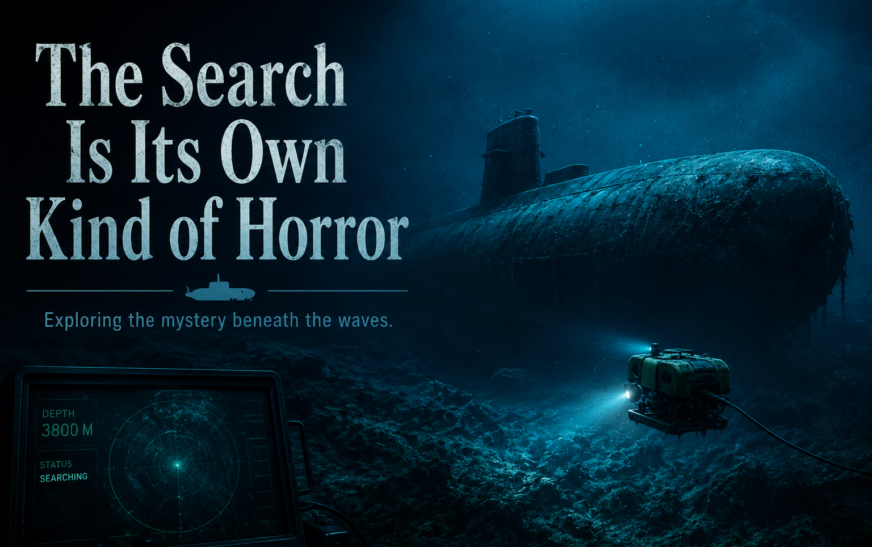
The Search Is Its Own Kind Of Horror
If you want to understand why “the submarine that never came back” is such a haunting phrase, spend some time reading about the search efforts that follow these disasters. They are massive, and they are agonizingly slow.
When the Argentine submarine ARA San Juan went missing in November 2017 with 44 crew aboard, the search that followed involved dozens of ships and aircraft from more than a dozen countries. Weather in the South Atlantic was brutal. Search planes and vessels covered an area larger than some small countries. For days, families waited at the naval base, watching officials give updates that kept getting more careful with their wording.
An international listening network run out of Vienna, originally built to detect nuclear test explosions, picked up an acoustic signature consistent with an implosion within hours of the San Juan’s last transmission. But confirming that took time, and finding the actual wreck took over a year. It was eventually located by a private company called Ocean Infinity, using an unmanned submersible, at a depth of about 907 meters.
A year. That is how long it took modern technology, international cooperation, and dedicated search vessels to simply locate where the submarine came to rest. Not to recover it, just to find it.
That timeline is not unusual either. The French submarine Minerve disappeared in 1968 and was not found until 2019, more than fifty years later. The Australian submarine AE1 vanished in 1914 and was not located until 2017, over a century afterward. When people say a submarine never came back, sometimes they mean it stayed missing for the rest of everyone’s lifetime who was alive when it happened.
What Actually Goes Wrong Down There
After reading through case after case, a few recurring failure points keep showing up. None of them are exotic. That is honestly the scariest part.
Electrical and battery problems. On diesel electric submarines especially, seawater getting into battery compartments through a snorkel or hatch seal can cause a short circuit and fire. That is what happened aboard the San Juan the night before it went missing, according to the crew’s last reported communication about a battery fire that they believed they had under control.
Pressure hull failures. Nuclear boats like Thresher dive deeper and faster than older diesel subs, which means any structural weakness gets tested harder. A cracked weld, a faulty seal, a pipe joint that was rated for peacetime pressures but not the extremes of a deep test dive, any of these can be catastrophic once you’re past a certain depth.
Loss of propulsion at depth. If a submarine loses power while submerged and cannot blow its ballast tanks quickly enough, gravity does the rest. High pressure air lines can even freeze up in cold water, which investigators believe contributed to Thresher’s inability to recover.
Human error under enormous pressure, literally and figuratively. Submarine crews train constantly for emergencies, but a real casualty at depth gives you minutes, sometimes seconds, to make the right call. There is no pulling over to the side of the road.
Real Cases Worth Knowing About
I think the reason this topic sticks with people is that these are not abstract statistics. Every one of these disasters has names attached, families who waited, and communities who built memorials afterward.
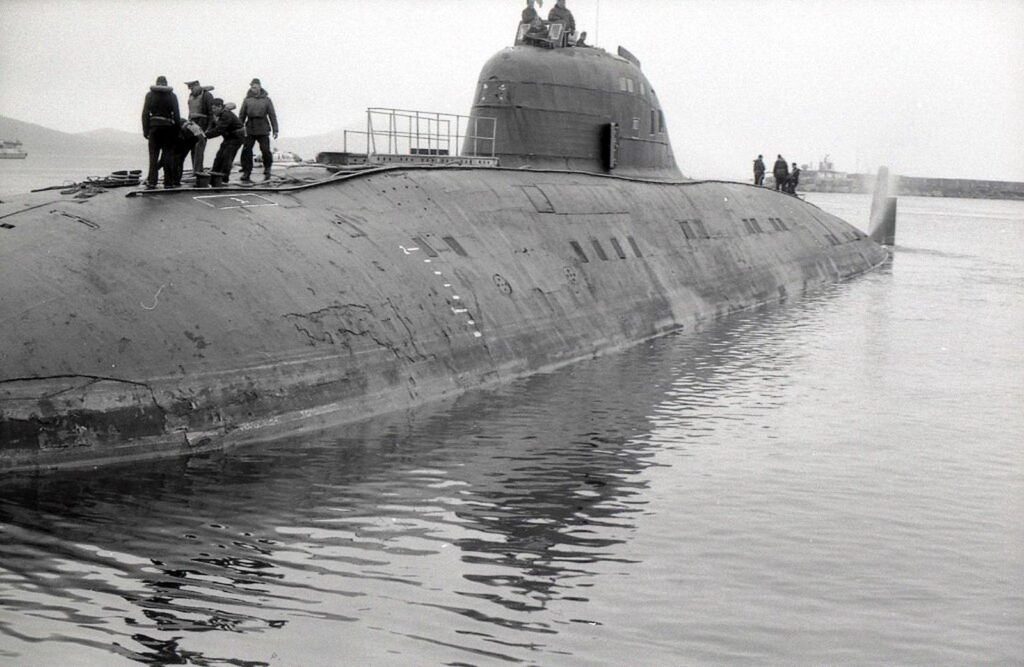
USS Thresher remains the deadliest submarine disaster in United States history, with all 129 aboard lost. The tragedy led directly to a Navy safety overhaul called SUBSAFE, which is a large part of why submarine accidents involving certified American boats became far rarer afterward.
The Kursk disaster in August 2000 killed all 118 sailors aboard the Russian submarine after onboard torpedo fuel exploded during an exercise in the Barents Sea. What made that one especially painful to read about is that some crew members survived the initial explosion and wrote notes documenting how long they lasted afterward, sealed in a rear compartment while rescue attempts struggled against weather, equipment problems, and reportedly slow decision making.
The ARA San Juan case, as mentioned, took a full year to locate. The wreck showed clear signs consistent with an implosion, meaning the end likely came fast once the hull gave way.
USS Scorpion sank in 1968 with 99 men aboard for reasons that are still debated today. It was found five months later thanks largely to acoustic data from an underwater listening network originally built to track Soviet submarines during the Cold War, an ironic bit of technology doing double duty.
Common Misunderstandings People Have About This Topic
A few things I got wrong myself before digging deeper.

I assumed submarines had some kind of automatic distress beacon like an airplane’s black box. Most historical submarines did not have anything like that. Communication depended on scheduled radio check ins, and silence itself became the warning sign, which is a slow and unnerving way to realize something is wrong.
I also assumed rescue submersibles could reach any depth quickly. In reality, rescue chambers and deep submergence vehicles have depth limits too, and getting one to a remote ocean location can take days, time a crew trapped with limited oxygen and battery power simply does not have.
I thought sonar searches worked like search radar, sweeping an area and immediately spotting anomalies. Ocean floor terrain, especially in areas with canyons and ridges, can hide wreckage from sonar for a very long time, which is part of why some searches drag on for years.
If You Want To Learn More Without Turning It Into Doomscrolling
A few practical suggestions if this topic pulls you in the way it pulled me in.
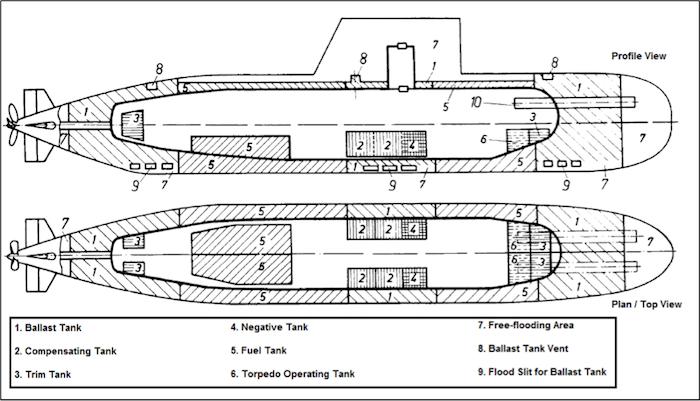
Visit a retired submarine museum if you have one nearby. Standing inside one, even a decommissioned training boat, gives you a physical sense of how tight and mechanical these spaces are. It changes how you read about the disasters afterward.
Look into the SUBSAFE program if you are curious how disasters actually change engineering practices. It is a genuinely interesting case study in how a tragedy forced an entire industry to rebuild its inspection and certification standards from the ground up.
Read primary accounts from naval history publications rather than sensationalized listicles. Sites connected to the US Naval Institute and official Navy historical offices tend to have far more accurate detail than clickbait roundups, and they treat the crews with the respect these stories deserve.
Be mindful that these are real losses with real families still affected. Some crew members’ relatives are still pushing for declassified documents or clearer answers decades later. Reading about these events thoughtfully matters more than treating them like spooky trivia.
A Few Final Thoughts
What keeps pulling me back to this topic is not the mystery for its own sake. It is the reminder that even with nuclear power, sonar, satellite tracking, and decades of engineering refinement, the ocean at real depth still does not forgive small mistakes. A cracked pipe joint. A frozen valve. A short circuit in a battery compartment during rough seas. None of these sound dramatic on paper, yet each one ended in total loss.
Standing in that museum submarine years ago, ducking under low hatches and imagining over a hundred people packed into a space that size, gave me a much better sense of scale than any documentary had. If you ever get the chance to do the same, take it. It is the closest most of us will ever get to understanding why some submarines went down and simply never came back.