
A few years back, I got stuck in a genuinely heated dinner table debate with a friend who insisted that 1969 was the single most important year humanity ever had. The moon landing, he argued, changed everything. I pushed back hard, throwing out 1945 instead. We went back and forth for almost an hour, two adults arguing about decades-old events like our lives depended on the outcome.
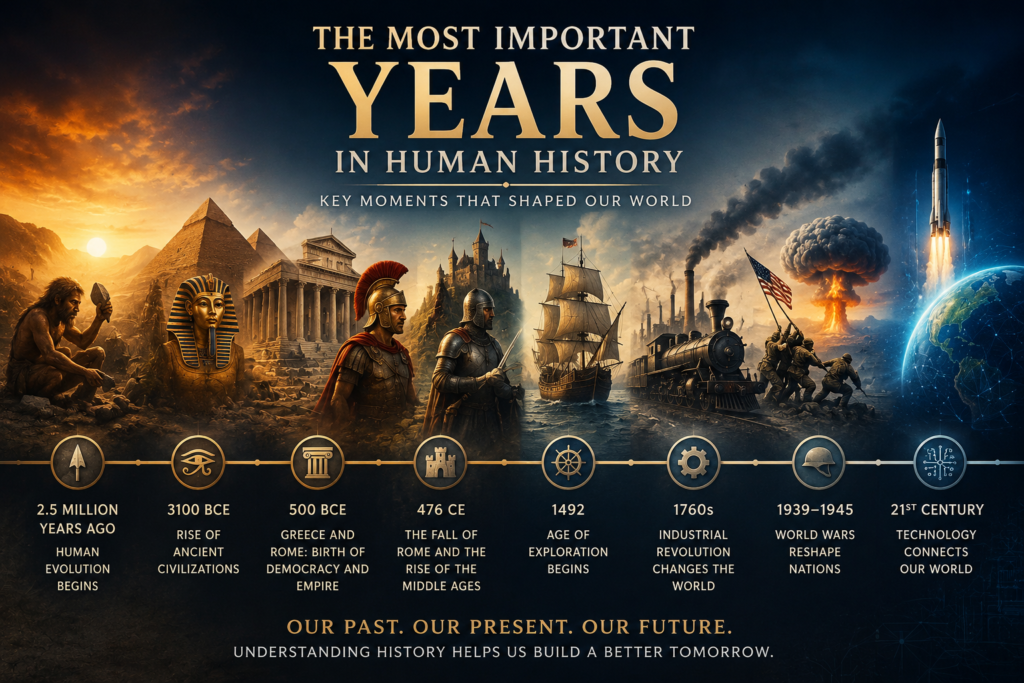
Neither of us won that argument, but it sent me down a genuine research rabbit hole afterward. I wanted real evidence, not just gut feelings about which years actually shifted the course of human civilization the most.
What I found surprised me. The answer is not one single year. It is a handful of specific moments scattered across thousands of years. Each one quietly rewired how humans live, think, and organize themselves. Some of these years get massive attention in school. Others barely get mentioned at all, despite mattering just as much.
Why Picking “Important Years” Is Trickier Than It Sounds
Most lists like this focus entirely on wars and politics. Battles get remembered. Treaties get remembered. Meanwhile, some of the most consequential years in human history involve nothing more dramatic than a farmer noticing a plant grows better in certain conditions, or a scientist staring at mold in a petri dish.
Real impact gets measured differently than most people assume. A year matters historically when it changes how billions of future humans actually live, not just when something dramatic happens on a specific date.
That distinction reshaped my entire approach to this topic. Instead of ranking years by drama, I started ranking them by ripple effect. How many people, generations later, were still living differently because of what happened that specific year?
10,000 BCE: When Humans Stopped Wandering
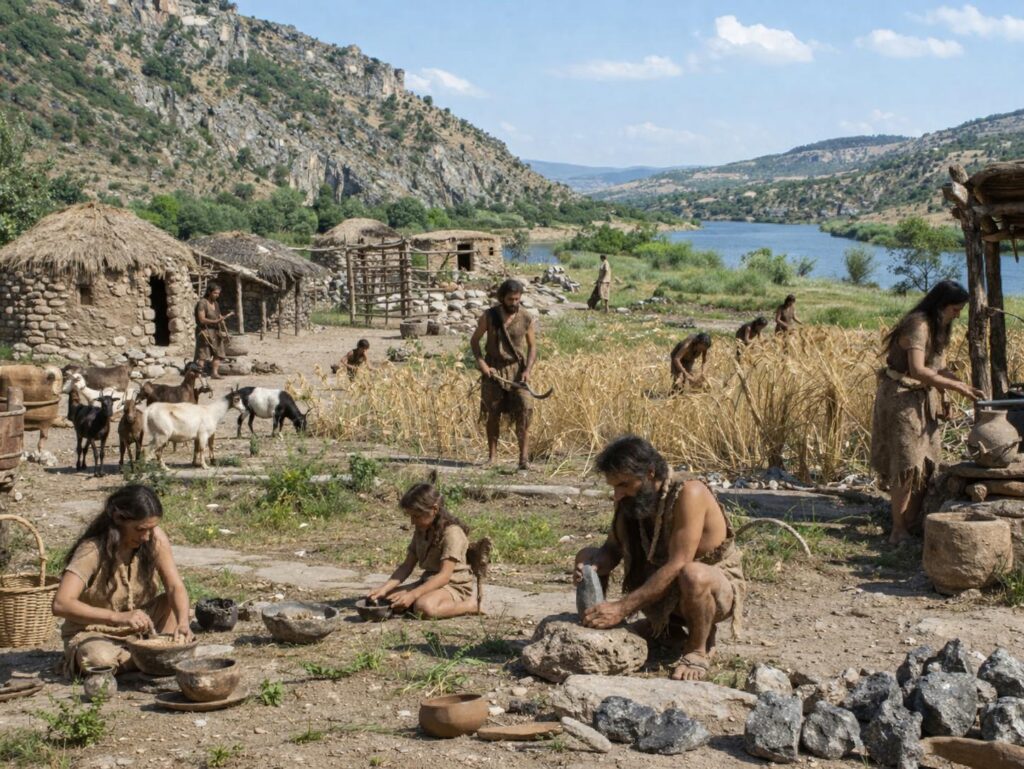
Humans spent the vast majority of our species’ existence as hunter-gatherers, constantly moving to follow food sources. Around 10,000 BCE, something shifted in multiple regions simultaneously. People in the Fertile Crescent began deliberately planting and harvesting crops instead of only gathering wild plants.
This single shift triggered what historians call the Agricultural Revolution. Farming allowed humans to settle permanently in one place for the first time in our species’ history. Permanent settlement led directly to surplus food storage. Surplus led to population growth, which led to the first villages, then cities, then eventually the entire concept of civilization itself.
Nothing about this transition felt dramatic at the time. No single battle marked it. No leader announced it. Yet without this gradual shift, none of the rest of human history as we know it would exist. Cities, governments, writing, and organized religion all trace their roots back to this moment when humans decided to stay put and grow their own food.
3200 BCE: The Invention of Writing
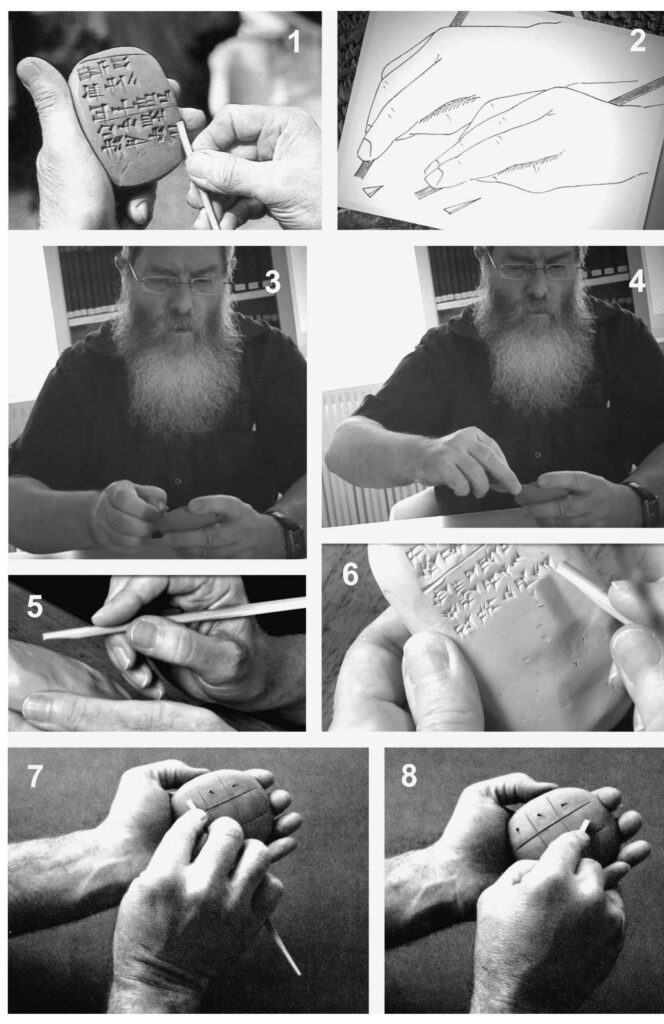
Sumerians in Mesopotamia developed cuneiform script around 3200 BCE, marking the first known system of writing in human history. Every piece of human knowledge before this point lived only in memory. Oral tradition carried it forward, with all the distortion and loss that comes with verbal storytelling across generations.
Writing changed the entire trajectory of human knowledge accumulation. Information could finally be recorded accurately and preserved beyond a single person’s lifetime. Laws could be written down and applied consistently. Trade records could track transactions across long distances. Historical events could be documented as they happened rather than reconstructed decades later from fading memories.
I think about this every time I jot something down in my Notes app without a second thought. That simple act of writing something down to remember it later traces directly back to a development that took humans hundreds of thousands of years to figure out.
776 BCE: The First Olympic Games
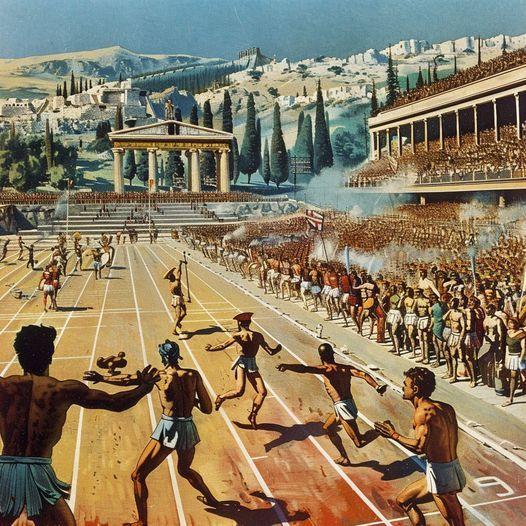
This year gets overlooked constantly in serious historical discussions, yet it represents something genuinely significant about human cooperation. The first recorded Olympic Games took place in ancient Greece in 776 BCE. Competing city-states that frequently warred with each other came together for this event.
A sacred truce called the Ekecheiria allowed athletes and spectators to travel safely across hostile territories without fear of attack during the games. This represented one of humanity’s earliest large-scale experiments in using shared culture and competition to temporarily override political conflict.
The Olympics we watch today trace their conceptual roots back to this specific year, nearly three thousand years ago. Nations still set aside political tensions to compete athletically, just as those ancient city-states once did.
221 BCE: China Unifies
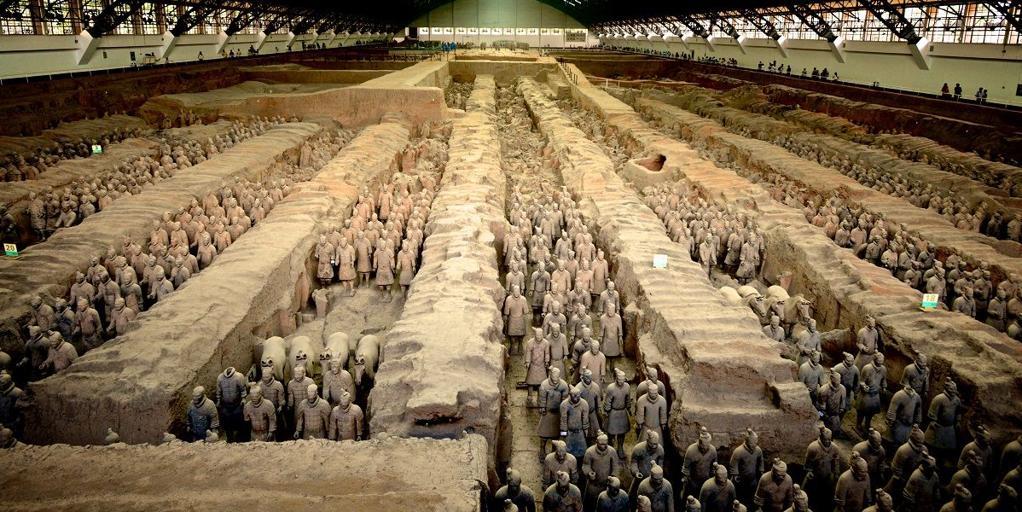
Qin Shi Huang completed the unification of China’s warring states in 221 BCE, establishing the first centralized Chinese empire. This single political achievement created administrative and cultural structures that would influence Chinese governance for over two thousand years afterward.
Standardized currency, standardized writing systems, and a connected network of roads all emerged from this unification effort. The beginning of what eventually became the Great Wall of China also dates back to this period. Builders originally constructed it to connect and reinforce existing defensive walls between the newly unified territories.
China’s current borders, language standardization, and even aspects of its governmental structure trace conceptual roots back to decisions made during this specific year.
1 CE: The Calendar Reset That Reshaped Global Timekeeping
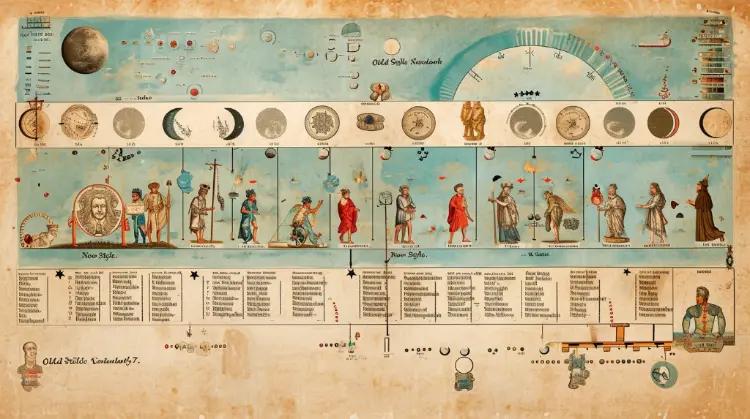
The year that became designated as 1 CE fundamentally reshaped how much of the world tracks time, whether or not you follow any particular religion. The calendar system built around this designation eventually became the global standard for dating historical events, business transactions, and daily life across most of the planet.
This standardization, formalized centuries after the actual year itself, created a shared reference point. Countries with wildly different cultures and religions eventually adopted it for practical purposes. Even nations that maintain their own traditional calendars for cultural or religious purposes typically also use this Western calendar system for international business and diplomacy.
1440: The Printing Press Changes Everything
Johannes Gutenberg developed the movable-type printing press in Mainz, Germany, around 1440. Books had to be copied by hand before this invention, a process so slow and expensive that literacy remained limited almost entirely to clergy, nobility, and wealthy merchants.
The printing press made books dramatically cheaper and faster to produce. Literacy rates began climbing across Europe within decades. Ideas that previously took years to spread between regions could now travel in months. The Protestant Reformation, scientific revolution, and Renaissance all accelerated significantly because information could finally move at a pace that matched human curiosity.
I think about this invention every time I read an article on my phone within seconds of it being published somewhere across the world. That instant access to information traces its origin directly back to a German goldsmith experimenting with metal type blocks nearly six centuries ago.
1492: The World Becomes Connected
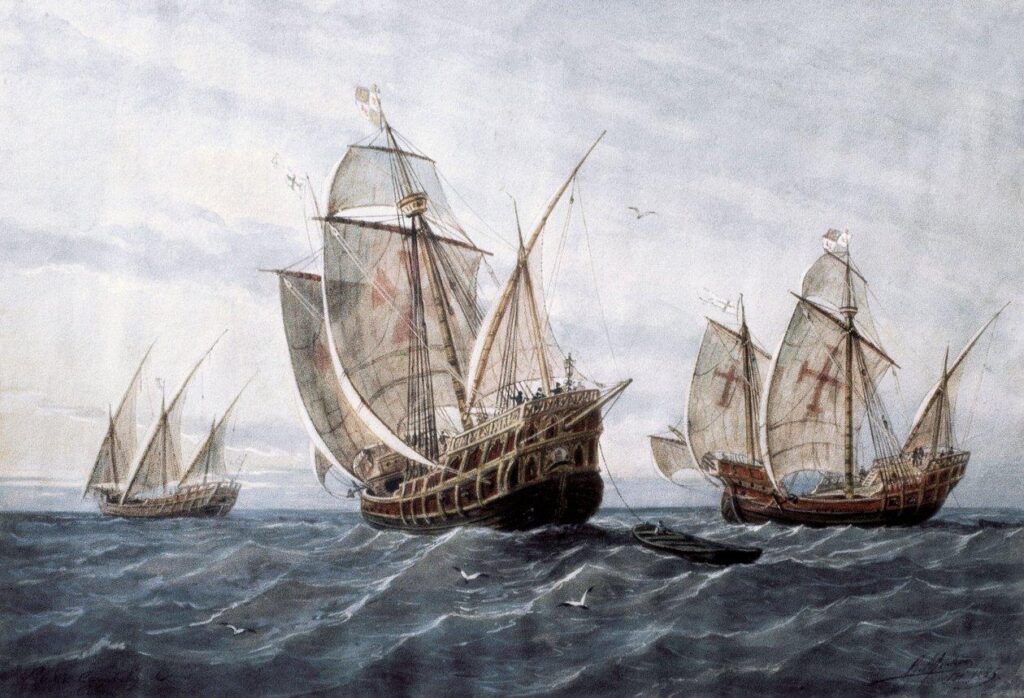
Christopher Columbus reached the Americas in 1492, triggering what historians call the Columbian Exchange. Plants, animals, diseases, and people began moving between the Eastern and Western hemispheres on a scale that had never happened before in human history.
This exchange fundamentally reshaped diets, economies, and populations across multiple continents simultaneously. Potatoes and tomatoes, both originally American crops, became staples of European cuisine. Horses, previously unknown in the Americas, transformed Indigenous cultures across the continent. Diseases carried by Europeans devastated Indigenous populations who had no prior immunity. This caused demographic collapse on a scale that still shapes population patterns today.
This year also marks a starting point for centuries of colonization, conflict, and cultural transformation. Those forces continue influencing global politics, immigration patterns, and cultural identity even now.
1687: Newton Publishes the Laws That Explain the Universe
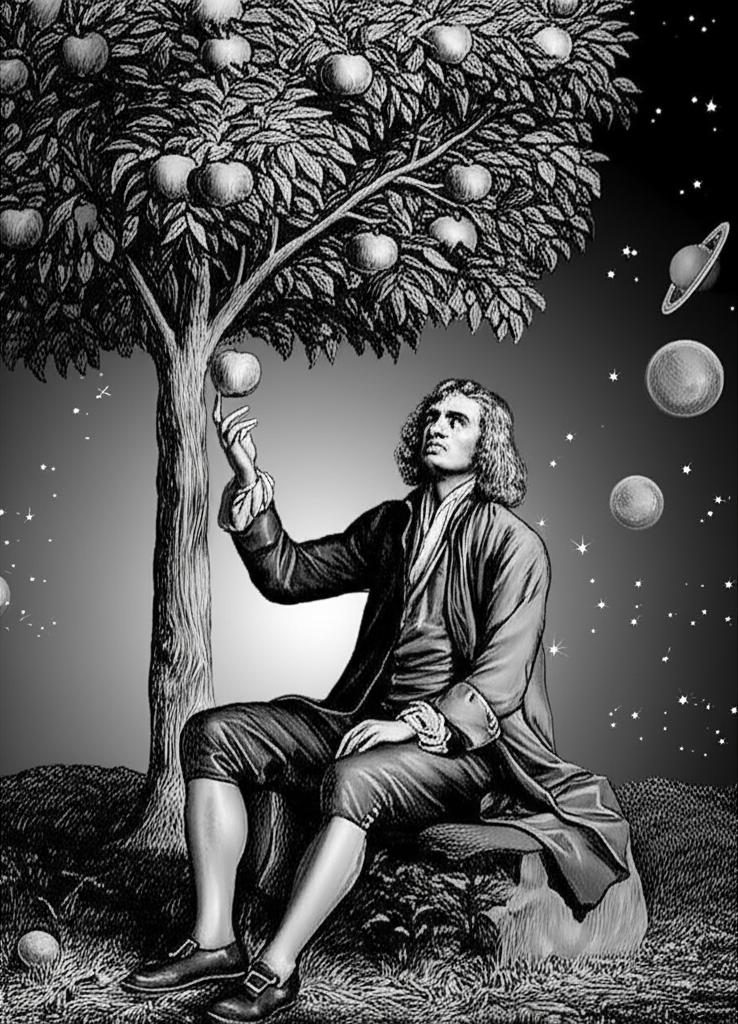
Isaac Newton published his Principia Mathematica in 1687, laying out the laws of motion and universal gravitation. These laws explained how objects move and interact throughout the physical universe.
This single publication essentially launched modern physics as a scientific discipline. Engineering, astronomy, and countless other fields built directly on the mathematical framework Newton established. Every bridge built using structural engineering principles, every rocket launched into space, and every basic physics class taught in schools today traces back to concepts first formalized in this specific year.
1776: A New Form of Government Takes Shape
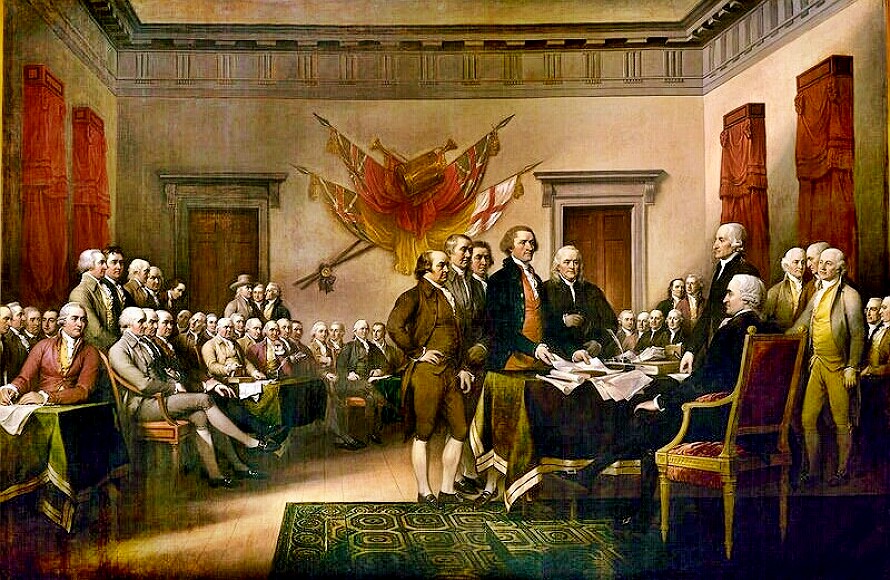
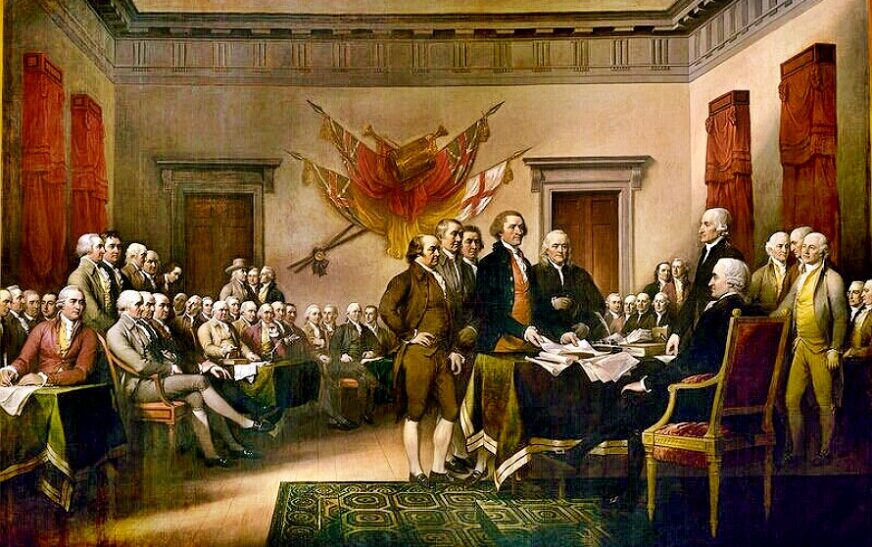
The United States declared independence in 1776, but the significance of this year extends well beyond just American history. The political philosophy underlying this declaration influenced revolutionary movements across the world for the following two centuries. Enlightenment ideas about individual rights and government by consent fueled this influence.
France’s revolution, Latin American independence movements, and countless other political transformations drew direct inspiration from the political framework established during this year. The basic concept that governments derive their legitimacy from the consent of the governed, rather than divine right or inherited power, spread globally from this starting point.
1859: Darwin Changes How Humans Understand Themselves
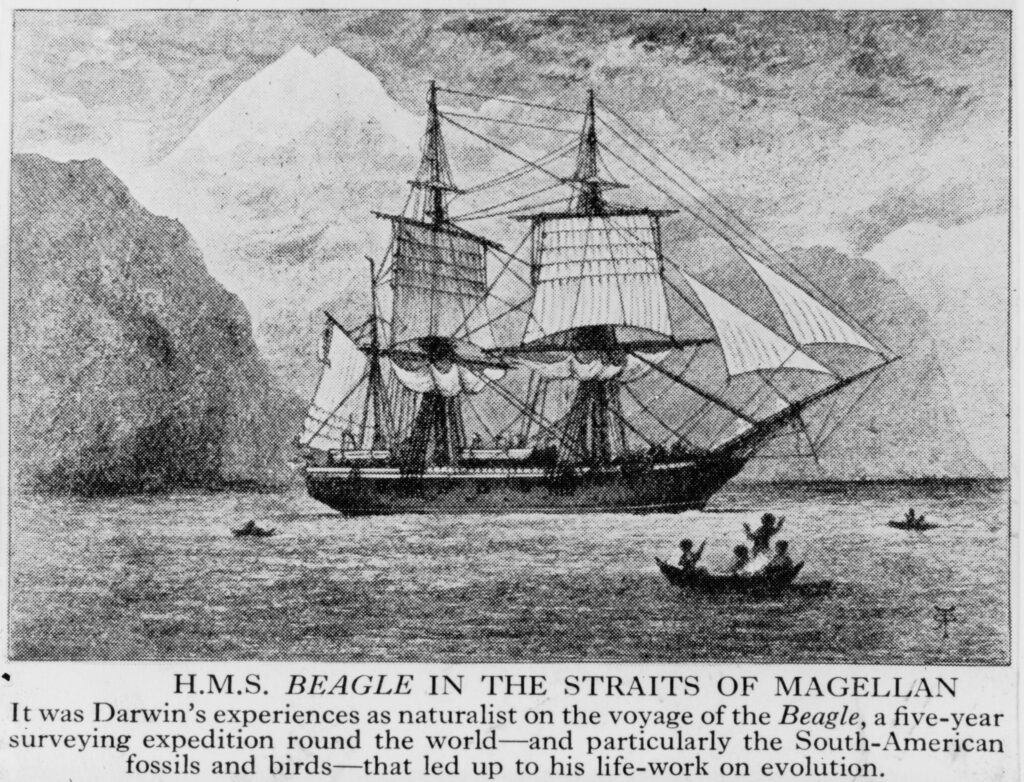
Charles Darwin published On the Origin of Species in 1859, introducing the theory of evolution through natural selection. This publication fundamentally altered how humans understood their own existence and place within the natural world.
Religious institutions, scientific communities, and philosophical traditions all had to grapple with implications that continue generating discussion well over a century and a half later. Modern biology, medicine, and genetics all build on foundational concepts first formally articulated in this specific year.
1928: Penicillin Saves Hundreds of Millions of Lives
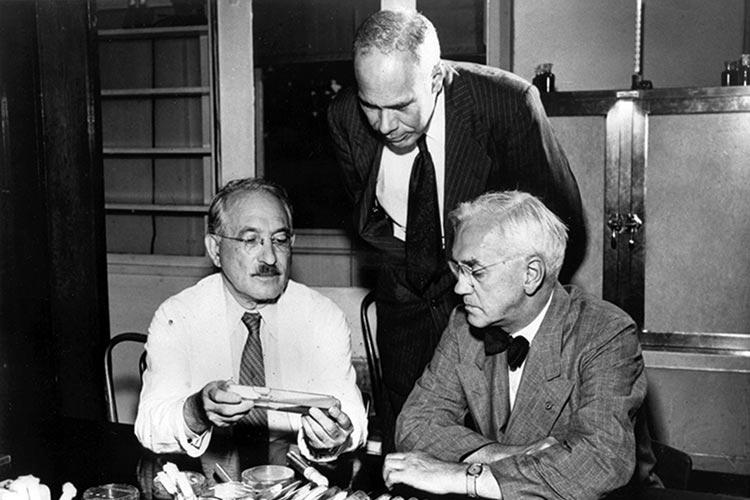
Alexander Fleming noticed something unusual in his laboratory in 1928. A mold called Penicillium had killed the bacteria growing in a petri dish he had accidentally left uncovered. That accidental observation led directly to the development of penicillin, the first true antibiotic.
Simple bacterial infections regularly killed people before this discovery, people who would today recover within days using basic antibiotics. Childbirth, minor injuries, and routine surgeries all carried significant mortality risk from infection. Penicillin and the antibiotics that followed it have saved an estimated hundreds of millions of lives since widespread medical use began in the 1940s.
I think about this discovery every time I get a prescription for a minor infection that would have been life-threatening just a century ago. That casual trip to the pharmacy traces directly back to a scientist noticing mold in a dish he forgot to clean.
1945: The Year the World Reorganized Itself
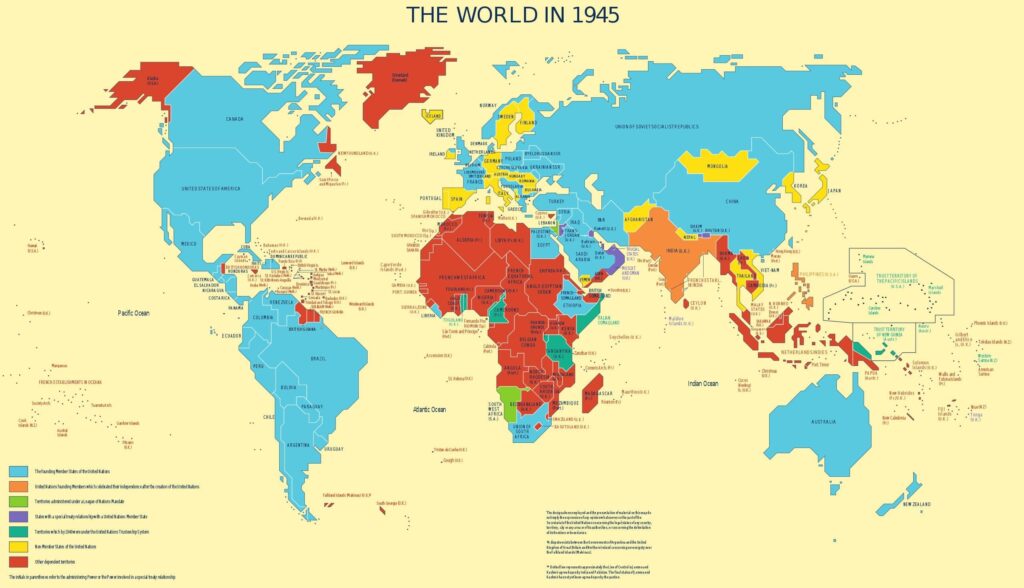
World War II ended in 1945, but the significance of this year extends well beyond the conclusion of armed conflict. The United Nations formed this same year, establishing an international framework for diplomacy and conflict resolution. Despite its limitations, this framework has helped prevent direct large-scale war between major world powers for nearly eight decades.
The atomic bomb’s use in 1945 also introduced nuclear weapons into global politics, fundamentally changing how nations approach warfare and deterrence. The concept of mutually assured destruction traces its origin to decisions made and demonstrated during this specific year. That concept has arguably prevented direct conflict between nuclear powers ever since.
Global institutions like the World Bank and International Monetary Fund also emerged from this period. These institutions established economic frameworks that continue shaping international trade and development policy today.
1969: Humanity Leaves Its Home Planet

My friend’s argument from that dinner table debate deserves real consideration here. The moon landing in 1969 represented humanity’s first physical step beyond Earth, a moment that genuinely captured global attention in a way few events ever have.
The technology developed for this mission created ripple effects across multiple industries beyond the symbolic achievement itself. Materials science, computing miniaturization, and telecommunications all advanced significantly because of research conducted for the space program. Many technologies we use daily, including aspects of modern computing and satellite communication, trace developmental roots back to innovations pushed forward by this specific goal.
1989: The Internet Quietly Begins
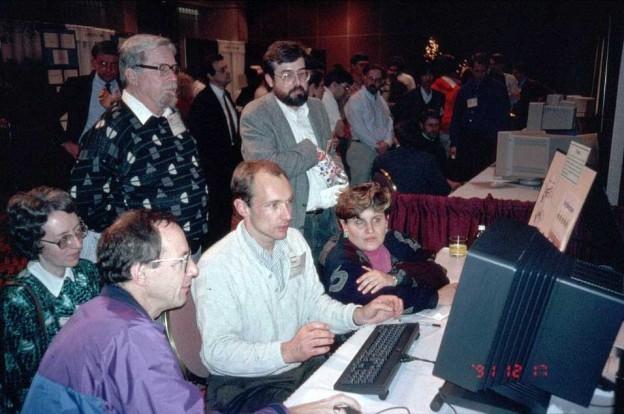
Tim Berners-Lee proposed the World Wide Web in 1989 while working at CERN, creating a system for linking documents across computer networks using hyperlinks. This proposal laid the technical foundation for what eventually became the internet as most people understand it today.
Almost nobody recognized the significance of this development at the time. No headlines announced a revolution. Yet this specific year set in motion changes to commerce, communication, education, and nearly every aspect of daily life. Those changes would have seemed like science fiction just a decade earlier.
I genuinely cannot imagine my own daily routine without checking apps, searching for information, or communicating instantly with people across the world. All of that traces back to a proposal that barely made news when it was first submitted.
How to Actually Explore This History Yourself
Reading about these years in isolation only tells part of the story. Understanding how they connect to each other and to the present day requires a bit more active engagement.
Start with a single year that genuinely interests you rather than trying to absorb all of human history at once. Pick something specific, whether that means the printing press, the moon landing, or the agricultural revolution. Research it deeply rather than broadly.
Use resources like Wikipedia as a starting point, then follow the citation links to primary sources or more detailed academic articles. This habit alone dramatically improves how much you actually retain compared to skimming surface-level summaries.
Documentaries on platforms like Netflix, YouTube, or PBS often cover these historical moments with genuine depth and visual context that text alone cannot fully capture. Ken Burns documentaries in particular handle historical storytelling with a level of detail that makes distant events feel immediate and human.
Visit museums when travel allows, since seeing actual artifacts from these periods creates a different kind of understanding than reading about them secondhand. The British Museum, the Smithsonian, and countless regional historical museums hold objects directly connected to many of these pivotal years.
Mistakes People Make When Ranking Historical Importance
A few patterns show up consistently when people discuss this topic, and recognizing them helps build a more accurate picture of history overall.
People often overweight years connected to wars and political drama while underweighting quieter scientific and agricultural developments. A war gets remembered vividly because of its emotional and visual impact. A gradual shift like the Agricultural Revolution gets overlooked despite arguably mattering more to how humans actually live today.
Recency bias also distorts most people’s instinctive rankings. Events within living memory, or close to it, tend to feel more significant simply because they connect to personal or family experience. This makes genuinely ancient developments, like the invention of writing, easy to underestimate despite their massive long-term impact.
People also tend to focus exclusively on Western historical events, overlooking equally significant developments from Chinese, Indian, African, and other global histories. China’s unification, for example, gets far less attention in most Western education systems than it deserves given its lasting impact on one of the world’s largest populations.
Final Thoughts
That dinner table argument with my friend never actually got resolved, and now I understand why. Asking which single year mattered most is genuinely the wrong question. Human history builds in layers. Each significant year depends on developments that came before it and sets up changes that follow after it.
The printing press would have meant nothing without writing existing first. The moon landing would have been impossible without centuries of mathematical and scientific groundwork. Even penicillin’s discovery depended on scientific methods and laboratory practices developed over previous centuries.
Pick one year from this list that genuinely sparks your curiosity and spend an afternoon actually digging into it. You will likely find, like I did, that pulling on one thread of history unravels into dozens of other fascinating connections you never expected to discover.