
My phone almost died from taking too many photos at Laguna Colorada in Bolivia. I’m not exaggerating. I stood there for nearly an hour, switching between my camera roll and just staring with my actual eyes, half convinced someone had dumped red dye into the water overnight as a prank.
That trip changed how I plan vacations now. Instead of chasing famous landmarks, I started chasing weird, colorful lakes scattered across the planet. Some turned out to be everything I hoped for. Others were honestly underwhelming once I got there, which taught me a few lessons worth sharing before you book flights based on a single Instagram photo.
This guide pulls from actual visits, a handful of disappointing detours, and plenty of research into why these lakes look the way they do. If you’re planning a trip to chase some of nature’s strangest water colors, this should save you time, money, and a bit of frustration.
Why Some Lakes Turn Wild Colors in the First Place
Before jumping into specific locations, it helps to understand why this even happens. I used to assume it was always algae, but that’s only part of the story.
Color shifts in lakes usually come down to a mix of factors. Mineral content, particularly salt concentration, often creates pink or red hues. Microorganisms like certain types of algae or bacteria produce pigments that tint water dramatically. Sometimes it’s simply mineral deposits like copper or sulfur dissolving into the water over time.
Temperature and sunlight intensity also play a role, which explains why some lakes change color depending on the season or even the time of day you visit.
Laguna Colorada, Bolivia: The Lake That Started My Obsession
Sitting at roughly 4,300 meters above sea level in the Bolivian altiplano, Laguna Colorada looks almost otherworldly. The deep red color comes from algae and mineral sediments, intensified by winds that stir up the lakebed throughout the day.
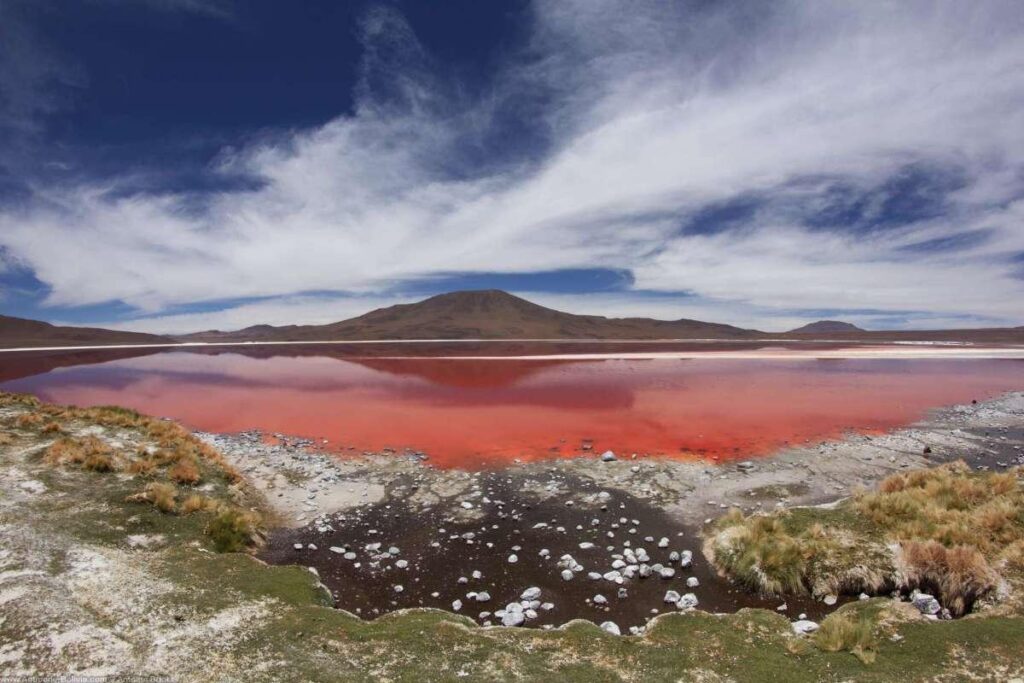
What surprised me most wasn’t just the color. It was the flamingos. Hundreds of them, wading through the red water like they belonged in a painting rather than reality.
What I Wish I Knew Before Visiting
Altitude sickness hit me harder than expected here. I’d recommend spending at least one night in Uyuni beforehand to acclimatize rather than rushing straight from La Paz.
Most tours combine Laguna Colorada with the Uyuni salt flats over three days, typically through agencies like Cordillera Traveller or Red Planet Expedition. Book through reviewed companies, since some budget operators cut corners on safety gear for the freezing overnight temperatures.
Lake Hillier, Australia: The Bubblegum Pink Mystery
Lake Hillier sits on Middle Island off the coast of Western Australia, and honestly, photos barely do it justice. The water stays a consistent bubblegum pink color year round, regardless of weather or season.
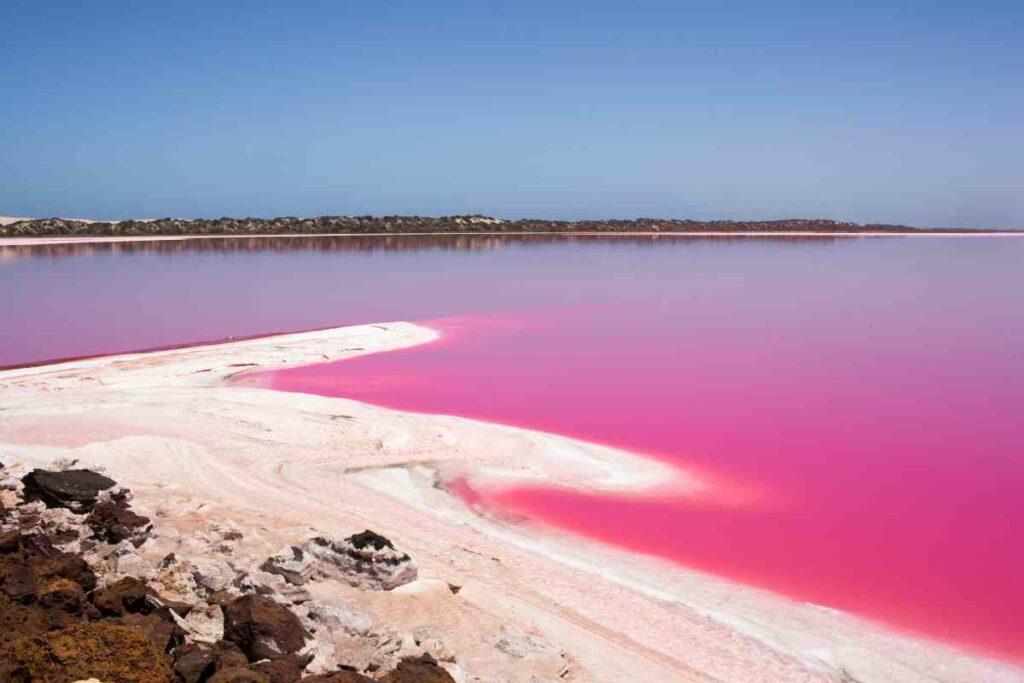
Scientists still debate the exact cause, though most point toward a combination of salt loving bacteria and algae called Dunaliella salina, similar to what creates pink coloring in certain salt lakes elsewhere.
I haven’t personally visited yet, since access requires a scenic flight or boat charter, and Middle Island isn’t exactly convenient to reach. Tour operators like Eco Tours WA offer scenic flights that pass directly over the lake, which seems to be the most realistic way most travelers experience it.
Five Flower Lake, China: Layers of Turquoise and Emerald
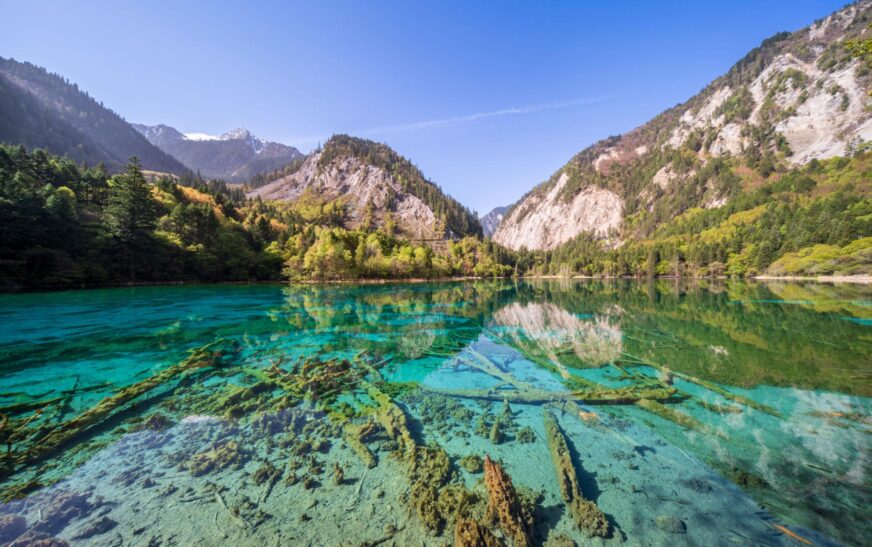
Located within Jiuzhaigou National Park in Sichuan Province, Five Flower Lake displays an almost unbelievable range of colors within a single body of water. Turquoise, emerald, yellow, and deep blue sections blend together depending on depth and mineral deposits below the surface.
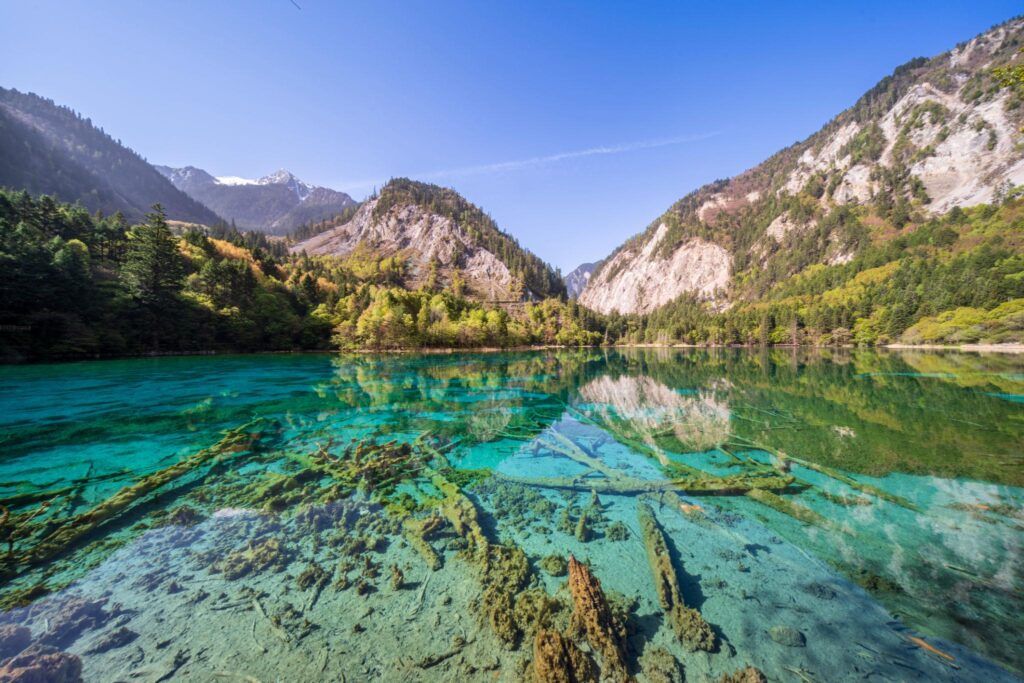
Calcium carbonate deposits, similar to what creates formations in caves, contribute heavily to the vivid coloring here. Fallen tree trunks visible beneath the impossibly clear water add an eerie, almost preserved quality to the scene.
A friend who visited last year mentioned the park gets incredibly crowded during peak season, particularly around Chinese national holidays. She recommended visiting early morning, right when gates open, to avoid both crowds and the worst of the tour bus traffic.
Spotted Lake, Canada: Nature’s Polka Dot Pattern
This one genuinely surprised me when I first saw photos. Located near Osoyoos in British Columbia, Spotted Lake develops distinct circular spots during summer months as water evaporates, leaving behind mineral deposits including magnesium sulfate, calcium, and sodium sulfates.
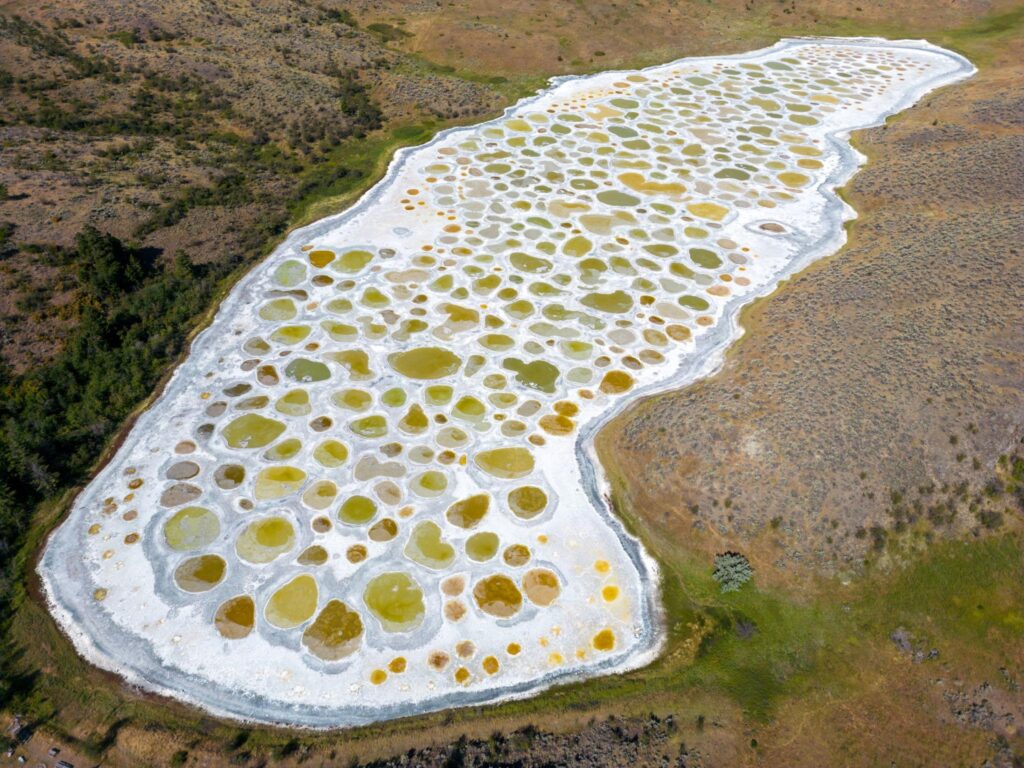
Each spot can carry a slightly different color depending on mineral concentration, creating a pattern that genuinely looks artificial despite being completely natural.
Important Note Before You Plan a Visit
The lake holds significant cultural and spiritual importance to the Okanagan Nation, and access is restricted. Most visitors view it from a designated roadside pullout along Highway 3 rather than walking directly to the shoreline. Respecting these boundaries matters, both legally and ethically.
Laguna de la Restinga, Venezuela: A Lesser Known Gem
Far less photographed than other entries on this list, Laguna de la Restinga occasionally develops striking turquoise patches due to specific algae blooms combined with mangrove ecosystem runoff.
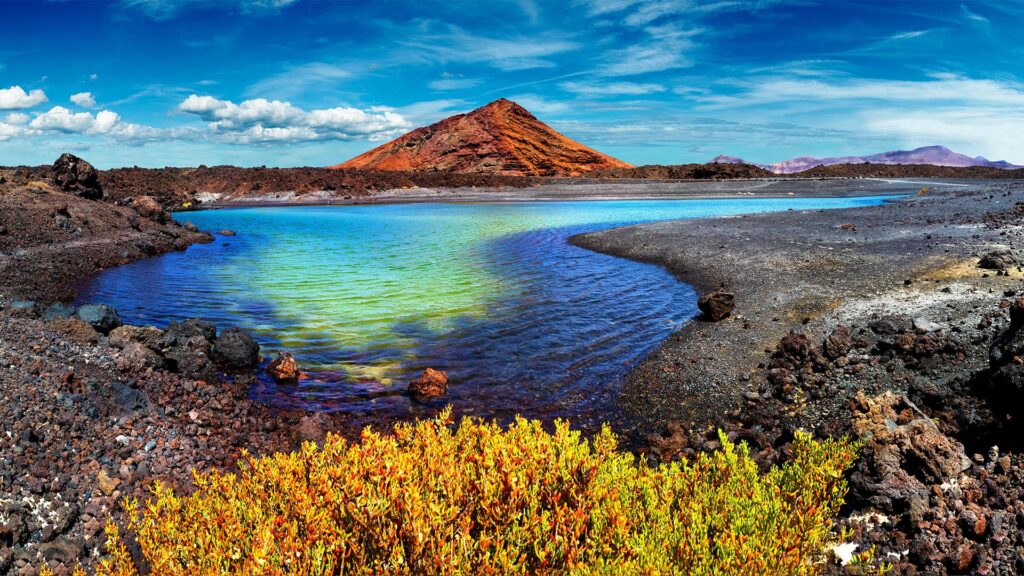
I included this one because it represents something important. Plenty of colorful lakes exist beyond the famous, heavily marketed locations, scattered across regions that rarely show up in typical travel blogs.
If chasing genuinely unique experiences matters more to you than convenience, researching lesser known locations through platforms like iNaturalist or regional tourism boards often reveals hidden spots worth exploring.
How to Actually Plan a Colorful Lake Trip Without Wasting Money
Here’s where I made my biggest mistakes early on, and what eventually fixed my approach.

Step One: Verify Current Conditions Before Booking Flights
Lake colors often fluctuate based on season, rainfall, and algae bloom cycles. I once flew toward a supposedly pink lake during off season, only to find murky brown water instead.
Checking recent traveler photos on platforms like TripAdvisor or searching recent geotagged posts on Instagram gives a much more accurate picture than relying on official tourism website photos, which sometimes show idealized, best case conditions.
Step Two: Research the Best Time of Day
Many colorful lakes look completely different depending on lighting conditions. Spotted Lake, for instance, shows its strongest colors during late summer afternoons when evaporation peaks.
I always check sunrise and sunset times through apps like PhotoPills before planning my visit window, especially for photography focused trips.
Step Three: Budget for Remote Access
Several of these locations sit far from major cities or require chartered transportation. Laguna Colorada alone required a four wheel drive vehicle and an experienced guide familiar with altiplano conditions.
Setting aside extra budget for scenic flights, private drivers, or multi day tours usually proves worthwhile compared to attempting these trips independently without proper preparation.
Step Four: Pack Appropriately for Extreme Conditions
High altitude lakes like Laguna Colorada involve freezing nighttime temperatures despite daytime sun feeling relatively warm. Layered clothing, proper sun protection, and altitude medication if needed make a significant difference in comfort levels.
Common Mistakes Travelers Make Chasing Colorful Lakes
Let’s go through the mistakes I personally made, plus ones I’ve seen other travelers repeat.
Trusting heavily edited photos without verification. Some viral photos use significant color enhancement through editing apps. Comparing multiple unedited sources before booking helps set realistic expectations.
Ignoring seasonal variation. Colors shift dramatically between wet and dry seasons for many of these lakes. Researching specific timing matters more than just picking convenient vacation dates.
Underestimating remote travel logistics. Several colorful lakes require multi day expeditions rather than simple day trips. Assuming easy access without research often leads to rushed, disappointing visits.
Disrespecting protected or culturally significant sites. Spotted Lake specifically requires visitors to view from designated areas only. Wandering into restricted zones disrespects both environmental protection efforts and indigenous cultural significance.
Forgetting altitude or extreme weather preparation. High altitude locations like Laguna Colorada genuinely affect physical comfort and safety. Skipping acclimatization days or proper gear creates unnecessary risk.
Overpacking heavy camera gear for remote locations. Lugging excessive equipment through difficult terrain often becomes more burden than benefit. A reliable mirrorless camera with one versatile lens usually outperforms carrying multiple heavy lenses across rough terrain.
Tools and Resources That Actually Helped My Planning
Beyond general travel apps, a few specific tools made researching these trips noticeably easier.
Windy.com helped me check weather patterns before remote lake visits, particularly useful for altitude locations prone to sudden weather shifts.
Google Earth allowed me to scout satellite imagery beforehand, giving a rough sense of accessibility and surrounding terrain before committing to specific routes.
Local tourism board websites, despite sometimes feeling outdated, often contained more accurate seasonal information than third party travel blogs repeating outdated content.
What Makes These Experiences Worth the Effort
Standing beside Laguna Colorada, watching flamingos wade through impossibly red water while freezing wind whipped across the altiplano, genuinely ranks among my most memorable travel moments.
These lakes remind you how strange and beautiful natural processes can be, mineral deposits, microscopic organisms, and evaporation patterns combining to create something that looks deliberately designed rather than naturally occurring.
Photography certainly motivates plenty of visitors, myself included initially, but the experience of standing somewhere this unusual tends to outlast any photo eventually does justice to.
Final Thoughts
Chasing colorful lakes across different continents taught me something I didn’t expect going in. The most memorable experiences rarely came from the most photographed, heavily marketed locations.
Lesser known spots, ones requiring extra research and slightly more effort to reach, often delivered experiences that felt genuinely personal rather than crowded tourist checkpoints.
If you’re planning your own colorful lake adventure, take time researching current conditions, respect any cultural or environmental restrictions in place, and prepare properly for whatever remote conditions each location demands.
Nature already did the hard work creating these spectacular colors. Your job is simply showing up prepared enough to actually enjoy them.