


There was a point in my life where I was technically doing everything right. Decent job, regular gym visits, cooking at home most nights, sleeping seven hours. On paper, life looked fine.

But I felt exhausted all the time. Irritable. Like I was constantly running behind on something I couldn’t quite name. A friend pointed out something that stuck with me for months afterward. She said, “You’re managing your life, not actually living it.”
That one sentence bothered me enough to start paying attention differently. Not to grand overhauls or extreme routines, but to the small, everyday things that were quietly draining me. What followed was a slow but genuinely noticeable shift in how my days felt, not just how they looked on a schedule.
This guide shares what actually worked, what failed completely, and what I genuinely wish someone had told me years earlier.
The Problem With Most Lifestyle Advice
Most lifestyle content either tells you to completely reinvent yourself overnight or sells you on products you don’t need. Neither approach sticks for long.
Overhauling everything at once sounds motivating in theory. Pull it off for about three days before the initial excitement fades and old habits quietly creep back in. The all or nothing mindset is probably responsible for more abandoned gym memberships and unused meal prep containers than any other single factor.
What actually changes daily life isn’t intensity. It’s consistency applied to small, specific behaviors that compound over weeks and months.
Starting With Sleep Before Anything Else
Every conversation about improving daily life should probably start here, but most skip straight to morning routines and productivity hacks instead.
Sleep quality affects everything downstream. Mood, food cravings, ability to focus, even how you handle minor inconveniences. Trying to build better habits while consistently sleeping poorly is similar to filling a leaking bucket and wondering why it never stays full.
What Actually Improved My Sleep
Keeping the same wake up time every day, including weekends, made the single biggest difference for me. Not an earlier bedtime necessarily, just a consistent wake time that eventually regulated when I naturally started feeling tired.
Cutting screen use about 45 minutes before bed helped more than I expected. An app called f.lux on my laptop gradually shifts screen color temperature toward warmer tones after sunset, which reduced the jarring bright blue light without requiring me to completely abandon devices earlier.
A cheap sleep tracking app called Sleep Cycle showed me patterns I hadn’t noticed. Turns out a single coffee after 2pm was noticeably affecting my deep sleep quality, something I never would have connected without looking at the data.
Cool room temperature matters more than most people realize. Somewhere around 65 to 68 degrees Fahrenheit tends to support better sleep quality, though individual preference varies slightly.
Building a Morning Routine That Doesn’t Feel Like a Punishment
Social media makes morning routines look like elaborate rituals requiring 90 minutes and a cold plunge before most people have even brushed their teeth.

Real routines that stick tend to be shorter, simpler, and adjusted based on what your actual schedule requires rather than what influencers suggest.
Step One: Anchor the Morning to One Non Negotiable Thing
Pick one thing you do every single morning without exception. Not five things. Just one.
For some people that’s a 10 minute walk. For others it’s making coffee while listening to something they enjoy, no news, no emails, just something pleasant. The specific activity matters less than the consistency of having something that signals the day has started intentionally rather than reactively.
My anchor became a 15 minute journal session using the Day One app. Nothing elaborate, just three things I needed to get done that day and whatever was sitting heavily in my head. Getting it out of my mind and onto a screen reduced that background mental noise considerably.
Step Two: Delay Checking Your Phone for at Least 20 Minutes
This one feels almost impossible the first few days. But those first 20 minutes of the morning, spent without immediately absorbing emails, news, or social media notifications, change the entire tone of how the day starts.
The Oura Ring I started wearing helped me see that mornings spent immediately checking my phone correlated with higher stress indicators throughout the rest of the day. Whether that’s cause or effect is debatable, but the pattern was consistent enough to take seriously.
Step Three: Eat Something Real Before the First Coffee
Caffeine on a completely empty stomach amplifies anxiety for a lot of people, myself included. Even something small, a piece of fruit, a handful of nuts, a couple of eggs, taken before the first coffee changed how alert versus anxious that caffeine buzz felt.
Movement That Fits Into Real Life
Here’s an honest truth about gym culture. A lot of people do well in a gym environment. Others find it loud, crowded, and genuinely demotivating despite best intentions.

Neither reaction is wrong. What matters is finding movement you can realistically sustain without requiring extraordinary willpower every single time.
Walking gets dismissed constantly because it sounds too simple to matter. But consistent daily walking, around 7,000 to 10,000 steps, produces measurable benefits for cardiovascular health, mood regulation, and sleep quality. Tracking steps through a Garmin watch or even just a free phone pedometer app makes the habit more concrete and easier to maintain.
Strength training twice per week delivers disproportionate benefits relative to time invested. Full body workouts using basic movements, squats, deadlifts, rows, presses, done consistently two days per week beats elaborate five day splits done inconsistently for most people outside competitive fitness.
Yoga or mobility work, even just 10 minutes using apps like Down Dog or Glo, addresses the stiffness and tension that accumulates from desk work in ways cardio alone doesn’t fix.
How to Actually Stick With Movement
Schedule it like an appointment rather than fitting it in “when there’s time.” There is rarely spontaneous time. Blocked calendar appointments for movement treat it with the same seriousness as a work meeting.
Reduce friction by laying out workout clothes the night before, keeping a resistance band visible near your desk, or choosing a gym that’s on your commute route rather than requiring a special trip.
Nutrition Without Obsession
Nutrition advice ranges from extremely helpful to borderline disordered, often within the same website. The most sustainable eating approach tends to involve structure without rigidity.

Cooking more meals at home than eating out remains one of the highest impact changes for both health and budget simultaneously. This doesn’t require cooking elaborate meals. Batch cooking simple proteins like chicken thighs, ground beef, or lentils on Sunday takes around 45 minutes and provides a base for multiple quick meals throughout the week.
Drinking more water sounds annoyingly basic but consistently gets underestimated. Dehydration below even a couple percent of body weight noticeably affects concentration and mood. Keeping a water bottle visible on your desk creates a passive reminder that requires zero willpower.
Reducing ultra processed food intake doesn’t require perfect eating. Even shifting from 70 percent processed to 50 percent creates measurable differences in energy levels and digestion for most people.
What Helped Me Eat Better Without Obsessing
Meal planning using a simple shared note in Apple Notes or Notion reduced the daily “what’s for dinner” decision fatigue considerably. Grocery shopping with a list based on that plan meant random junk food purchases happened far less often, not because of discipline, but because it simply wasn’t in the cart to begin with.
Apps like Cronometer or MyFitnessPal can help identify nutritional patterns, though logging every meal long term becomes tedious for most people. Using them periodically for a week or two to spot trends rather than as permanent daily tracking tools works better sustainably.
Managing Mental Load and Stress
Physical health improvements have a ceiling if mental stress remains unaddressed. This took me embarrassingly long to properly understand.

Mental load refers to all the invisible cognitive work running constantly in the background. Tracking tasks, planning ahead, worrying about unfinished responsibilities, anticipating problems before they arrive. It’s exhausting in a way that doesn’t show up easily on a to do list.
Practical Approaches That Actually Help
Externalizing tasks into a trusted system removes them from your mental RAM. Apps like Todoist, Things 3, or even a simple paper notebook work here. The specific tool matters less than the habit of capturing everything rather than trying to hold it all in memory.
Time blocking, setting specific periods for focused work and specific periods for communication, reduces the exhausting constant toggling between different types of tasks. Even rough blocks work better than no structure at all.
Regular screen free periods throughout the day matter more than the total amount of screen time. Short breaks where you step away from all devices, even five or ten minutes spent looking out a window or taking a brief walk, genuinely restore attention in ways that scrolling during breaks does not.
Therapy or professional support deserves mention here without any hedging. Plenty of people benefit enormously from working with a therapist, particularly for persistent stress, anxiety, or mood patterns that lifestyle changes alone don’t adequately address. Platforms like BetterHelp or Talkspace offer more accessible entry points than traditional in person therapy for many people.
Building Social Connection Intentionally
Isolation has a way of creeping in gradually, especially for people whose professional lives involve a lot of digital communication. Feeling technically connected while feeling personally isolated is a very specific kind of loneliness.

Scheduling regular time with people who genuinely matter, not just accepting invitations when convenient, makes a bigger difference than most productivity focused lifestyle content ever acknowledges.
One practice that helped me personally was scheduling monthly one on one time with close friends rather than relying on group events that feel sociable but often remain surface level. Those individual conversations contributed more to feeling genuinely connected than triple the number of larger social events.
Common Lifestyle Mistakes Worth Avoiding
Trying to overhaul everything simultaneously. Picking one area, sleep, movement, or nutrition, and building that habit for four to six weeks before adding another works far better than changing everything at once and burning out within two weeks.

Comparing your daily routine to curated social media versions. Most people showing their morning routines online are showing highlights, not full reality. Building something that works for your actual life beats copying routines designed for someone else’s entirely different circumstances.
Ignoring rest and recovery. Treating every day as a productivity opportunity without building in genuine rest creates a slow but steady decline in both output quality and overall wellbeing.
Spending money on gear before building the habit. Expensive equipment doesn’t create habits. Habits create habits. A $20 resistance band used consistently beats a $2,000 home gym that collects dust.
Chasing motivation instead of building systems. Motivation fluctuates constantly. Systems carry behavior through the days when motivation is low, which is most days after the initial novelty wears off.
Small Shifts That Made Surprisingly Big Differences
Some changes I expected to matter barely registered. Others I considered minor turned out to be significantly impactful.
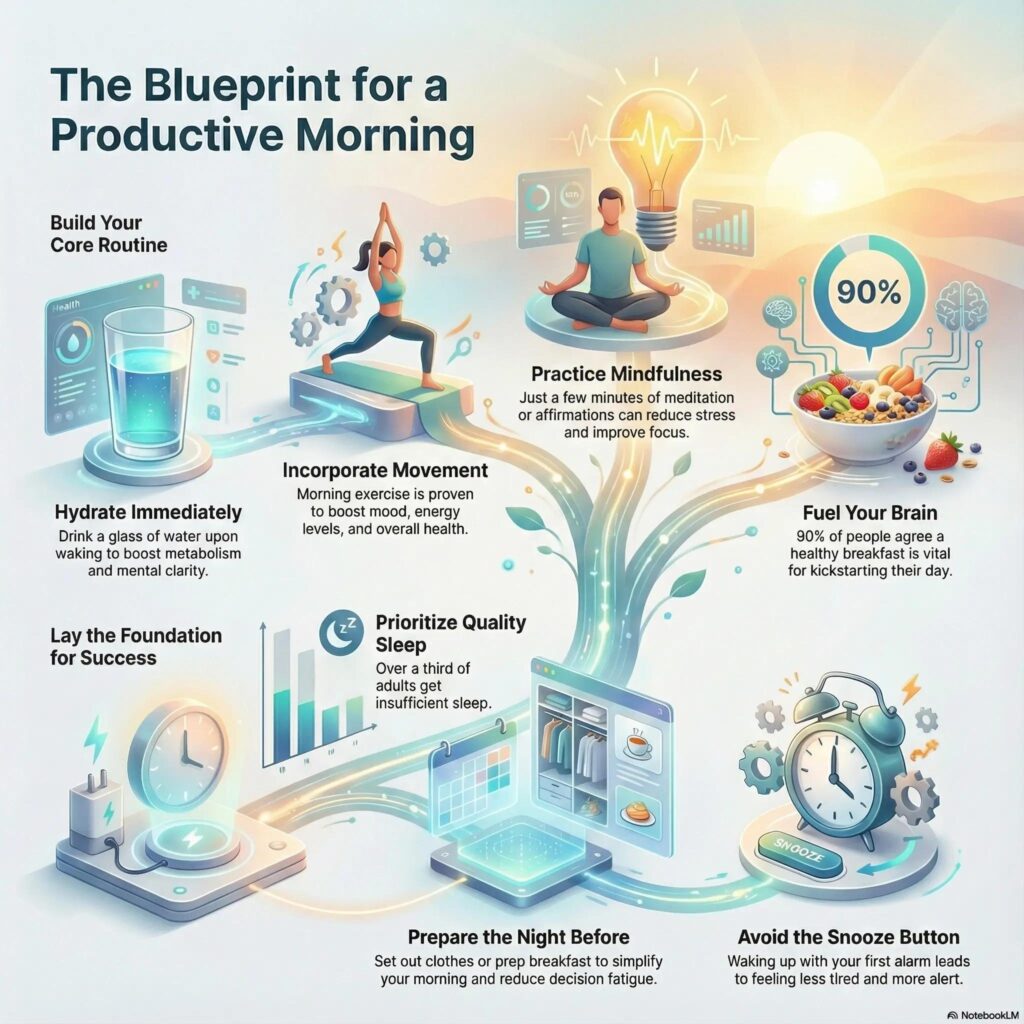
Getting outside for at least 15 minutes of natural light in the morning regulated my energy and sleep patterns more than I anticipated. Even on overcast days, outdoor light is measurably brighter than indoor lighting and helps anchor the body’s internal clock.
Reducing background noise during work hours by using noise canceling headphones, I use Sony WH-1000XM5, improved focused work quality noticeably. Not always playing music through them, sometimes just wearing them to signal to both myself and others that concentration was happening.
Keeping a simple gratitude habit, three specific things noted at the end of each day rather than generic appreciation exercises, shifted how the day felt in retrospect more consistently than I expected from something taking under two minutes.
Final Thoughts
Living better every day rarely comes from dramatic reinvention. Most of the changes that actually stick are smaller and less glamorous than lifestyle content typically suggests.
Better sleep leads to better decisions. Better decisions lead to better habits. Better habits gradually build into a life that feels significantly different from the outside, but got there through hundreds of boring, unglamorous small choices made consistently over time.
Starting with one thing rather than everything remains the most reliable advice, no matter how often it gets dismissed as overly simple. Pick the single area of daily life creating the most friction right now and spend a month doing just that differently before adding anything else.
The compounding effect of small, consistent improvements is genuinely remarkable over six months or a year. It just looks quiet and undramatic in the middle, which is exactly why most people quit before seeing it.