
I still remember the exact moment I jumped off the boat near Ras Mohammed and opened my eyes underwater for the first time. The visibility was so clear it felt fake, like someone had swapped the ocean for a giant aquarium overnight.
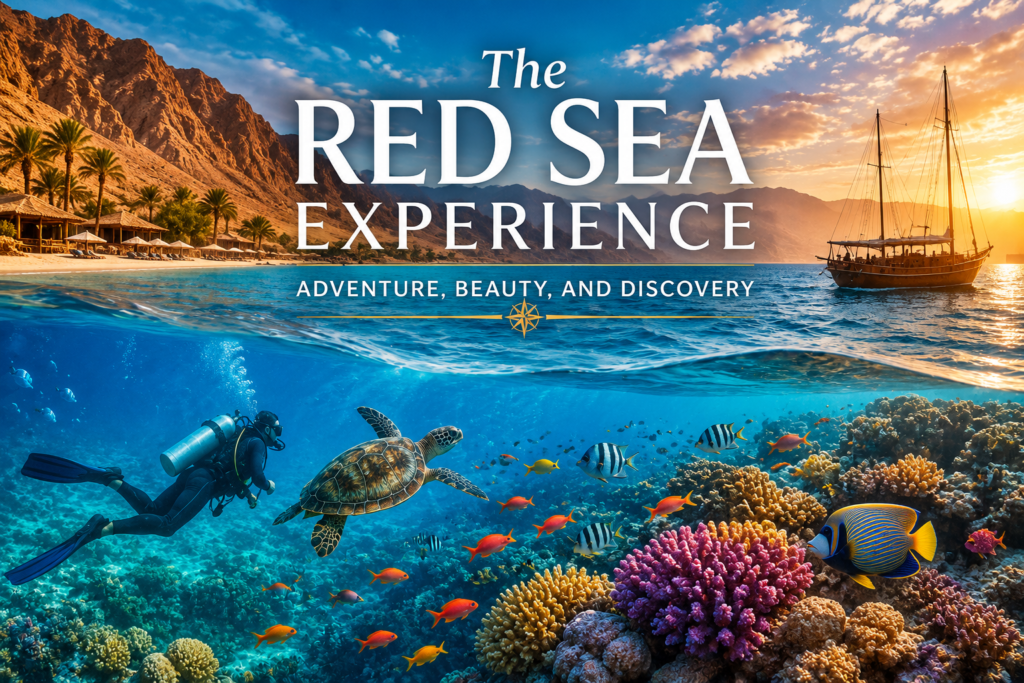
Coral reefs stretched in every direction. A sea turtle drifted past like it owned the place. My snorkel mask kept fogging up because I genuinely forgot to breathe properly for a few seconds. That was my introduction to the Red Sea, and honestly, nothing I’d read online prepared me for how overwhelming it would feel in person.
If you’re thinking about visiting, whether for diving, snorkeling, or just lounging somewhere with insanely blue water, this guide comes from actual trips, actual mistakes, and a few lessons I wish someone had told me before I booked my first flight to Sharm El Sheikh.
Why the Red Sea Feels Different From Other Beach Destinations
I’ve been to a fair number of beach spots. The Caribbean, parts of Southeast Asia, even a chilly trip to the Adriatic once. The Red Sea stands apart for one simple reason. The water clarity is almost unreal.
This isn’t marketing fluff. Because of low rainfall, minimal river runoff, and high salinity, the Red Sea has some of the clearest water on the planet. Visibility regularly hits 20 to 30 meters in popular dive spots, sometimes more.
That clarity means even casual snorkelers, not just certified divers, get to see incredible marine life without needing expensive gear or years of training.
Choosing Where to Go: Egypt, Jordan, or Saudi Arabia
This trips people up more than it should. The Red Sea touches several countries, and each offers a noticeably different experience.
Egypt: The Most Popular Choice
Egypt is where most travelers start, and for good reason. Towns like Sharm El Sheikh, Hurghada, and Dahab have built entire tourism economies around diving and snorkeling.
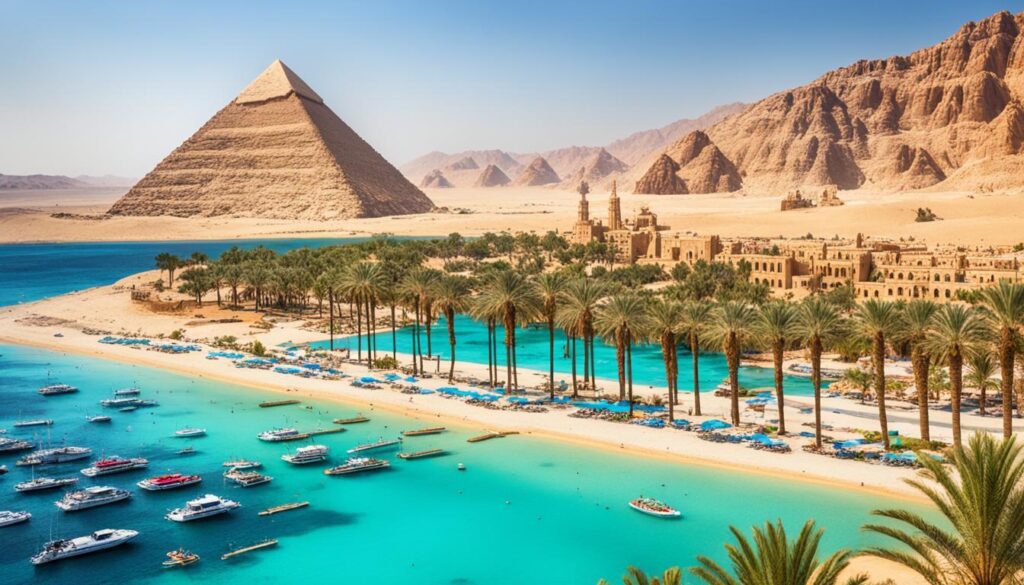
Dahab specifically holds a special place for budget travelers and divers. The famous Blue Hole site draws experienced divers from around the world, though I’ll be honest, it has a serious reputation and isn’t something beginners should attempt without proper guidance.
Hurghada tends to feel more resort heavy, with big all inclusive hotels lining the coast. Sharm El Sheikh sits somewhere in between, offering both luxury resorts and solid diving infrastructure.
Jordan: Smaller but Underrated
Aqaba, Jordan’s only coastal city, gets overlooked constantly. I almost skipped it myself until a diving friend insisted I try it.

The coastline is much shorter than Egypt’s, but the reefs near Aqaba are surprisingly healthy, partly because tourism hasn’t scaled up as aggressively here. Fewer crowds, slightly cooler water, and a noticeably more relaxed pace.
Saudi Arabia: The New Frontier
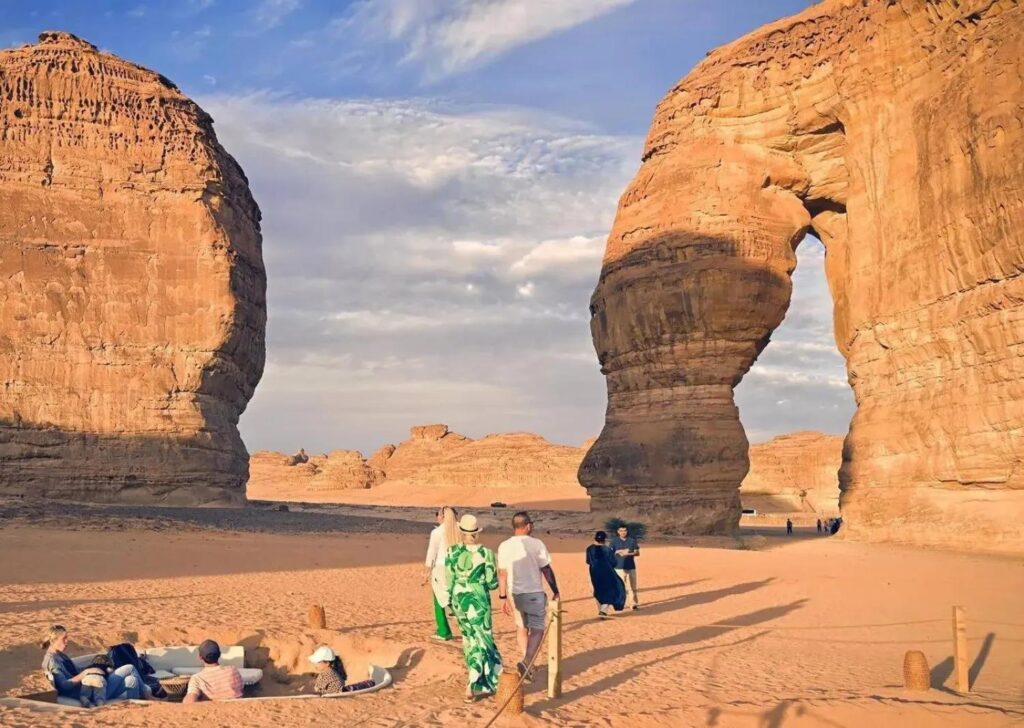
Saudi Arabia has only recently opened its Red Sea coastline to broader tourism, particularly around projects like NEOM and the Red Sea Project. I haven’t personally visited this stretch yet, but divers I’ve spoken with describe pristine, barely touched reef systems since access has historically been restricted.
If untouched nature matters more to you than nightlife or convenience, this region is worth watching closely over the next few years.
Getting Ready: What I Wish I Knew Before My First Trip
My first Red Sea trip involved several rookie mistakes that cost me time, money, and one seriously sunburned back.

Step One: Sort Out Your Visa and Entry Requirements Early
Egypt offers visa on arrival for many nationalities, but rules shift periodically. I’d recommend checking the official Egyptian e-visa portal a few weeks before traveling rather than assuming last year’s rules still apply.
Step Two: Pick the Right Season
Summer temperatures along the Red Sea coast can climb past 40 degrees Celsius, which sounds appealing until you’re standing on hot sand at noon feeling like you’re being slowly cooked.
I personally prefer visiting between March and May, or September through November. Water temperatures stay warm enough for comfortable diving, around 24 to 28 degrees Celsius, without the brutal midday heat of peak summer.
Step Three: Don’t Skip Travel Insurance With Diving Coverage
This one bit me hard. My first policy didn’t cover diving related incidents, something I only discovered after a minor ear pressure issue sent me to a local clinic.
Companies like World Nomads or Dive Assure specifically cover diving activities, which standard travel insurance often excludes. Spend the extra few dollars. It’s genuinely not worth the risk otherwise.
Step Four: Get Your Diving Certification Sorted Before You Arrive
If diving is your main goal, getting your PADI Open Water certification at home before traveling saves both time and stress. Many dive shops in Hurghada and Sharm offer certification courses on site, but you’ll lose two or three vacation days to classroom sessions and pool practice instead of actual reef diving.
I made this mistake on my first trip and spent half my vacation in a swimming pool instead of the ocean. Lesson learned.
What the Actual Experience Feels Like
Numbers and tips only tell half the story. Let me walk you through what a typical day looks like once you’re actually there.
Mornings usually start early, especially for boat dives. Most dive centers pick guests up around 7am, which initially felt brutal until I realized the early light makes for the calmest water and best visibility.
Boats head out toward reef sites, sometimes thirty minutes away, sometimes closer to two hours depending on location. Crews brief divers on conditions, marine life expectations, and safety protocols before anyone enters the water.
The first dive of the day genuinely never gets old. Schools of fusiliers move like shimmering silver clouds. Reef sharks occasionally cruise past in the distance, more curious than threatening. Once, near Ras Mohammed National Park, I watched a massive napoleon wrasse just hover motionless, staring at our group like we were the interesting ones.
Between dives, boats usually serve simple lunches, fresh fruit, rice, grilled fish, while divers rest and rehydrate. Afternoon dives or snorkeling sessions follow before heading back to shore around sunset.
Evenings in towns like Dahab feel completely different from the daytime adventure pace. Beachside restaurants serve fresh seafood, shisha lounges fill with quiet conversation, and the whole atmosphere slows down considerably.
Marine Life You Can Realistically Expect to See
People often ask if Red Sea diving lives up to the hype shown in documentaries. Mostly, yes, though expectations matter.

Colorful reef fish, including clownfish, parrotfish, and butterflyfish, are essentially guaranteed on almost any dive. Sea turtles show up regularly, especially around Ras Mohammed and parts of the Egyptian coast.
Larger encounters, reef sharks, dolphins, or the rare whale shark sighting, depend heavily on luck, season, and location. I’ve had trips with zero shark sightings and others where reef sharks appeared on three separate dives within a single week.
Coral health also varies significantly by location. Areas closer to heavy tourist traffic show more bleaching and damage compared to less visited spots like parts of the Saudi coastline or quieter corners near Aqaba.
Common Mistakes Travelers Make
Let’s talk honestly about what goes wrong, because plenty does if you’re not prepared.
Underestimating sun exposure. Water reflects sunlight aggressively, and many travelers forget reapplying reef safe sunscreen every two hours. I got burned badly on my second day despite applying sunscreen once that morning.
Touching coral or marine life. Coral is incredibly fragile and slow growing. A casual touch, even accidental fin contact, can damage decades of growth. Maintaining good buoyancy control matters more than people realize.
Booking dive trips with uncertified operators. Always verify that dive centers carry proper PADI or SSI certification. Cutting corners here isn’t worth the savings, especially regarding safety equipment and emergency protocols.
Ignoring decompression sickness risks. Flying too soon after diving genuinely matters. Most certified operators recommend waiting at least 18 to 24 hours after your last dive before boarding a flight.
Overpacking gear unnecessarily. Most reputable dive shops rent quality equipment, BCDs, regulators, wetsuits, included in trip costs. Lugging your own gear through airports often creates more hassle than it saves, unless you’re a frequent diver with personal preferences.
Skipping travel apps for navigation and translation. Apps like Google Translate and Maps.me work surprisingly well in more remote coastal towns where signage might only appear in Arabic.
A Few Practical Tools That Actually Helped Me
Beyond insurance and certification, a handful of apps and tools genuinely improved my trips.
Subsurface, a free dive logging app, helped me track depth, time, and conditions across multiple trips, which became useful for monitoring my own progression as a diver.
Windy.com gave reliable wind and wave forecasts before booking boat trips, helping me avoid a few genuinely rough sea days.
For snorkeling specifically, a simple GoPro Hero with a floating handle captured footage far better than my phone ever could underwater.
Beyond Diving: Other Ways to Experience the Red Sea
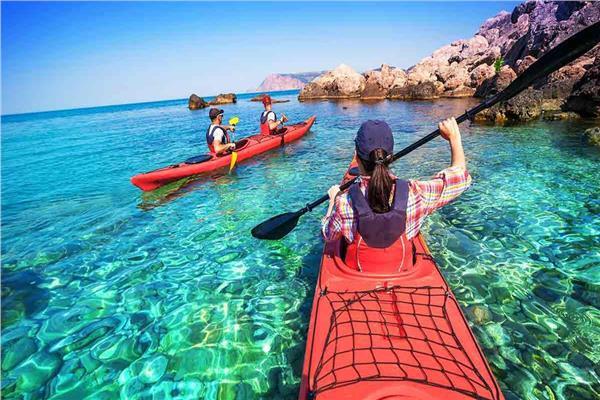
Not everyone wants to dive, and that’s completely fine. The Red Sea offers plenty beyond underwater adventure.
Desert excursions near Dahab combine surprisingly well with beach time. Quad biking through nearby mountains or visiting Bedouin camps for traditional tea offers a cultural contrast to beach lounging.
Windsurfing and kitesurfing communities thrive in spots like Moon Beach and parts of Hurghada, thanks to consistent coastal winds. Even complete beginners can find affordable lesson packages through local schools.
Simply relaxing matters too. Some of my favorite Red Sea memories involve nothing more adventurous than reading a book on a quiet beach in Nuweiba, watching fishing boats drift along the horizon.
Final Thoughts
Looking back across multiple trips to the Red Sea, what stands out most isn’t any single dive or sighting. It’s how consistently the place surprises you, even after you think you’ve seen everything it offers.
Every visit reveals something slightly different, a new reef formation, an unexpected turtle encounter, a quiet beach town that somehow feels untouched by mass tourism despite being just a few hours from major resorts.
Whether you’re chasing serious diving certifications or just want warm water and decent snorkeling gear, the Red Sea delivers experiences that genuinely match, sometimes exceed, the hype surrounding it.
Just pack good sunscreen, sort your insurance properly, and maybe skip the noon beach walks. Your future self, and your sunburned shoulders, will thank you later.