
My grandmother’s trunk sat untouched in our storeroom for years. Nobody bothered opening it except during spring cleaning. Even then, it was just a quick dusting before shutting the lid again.
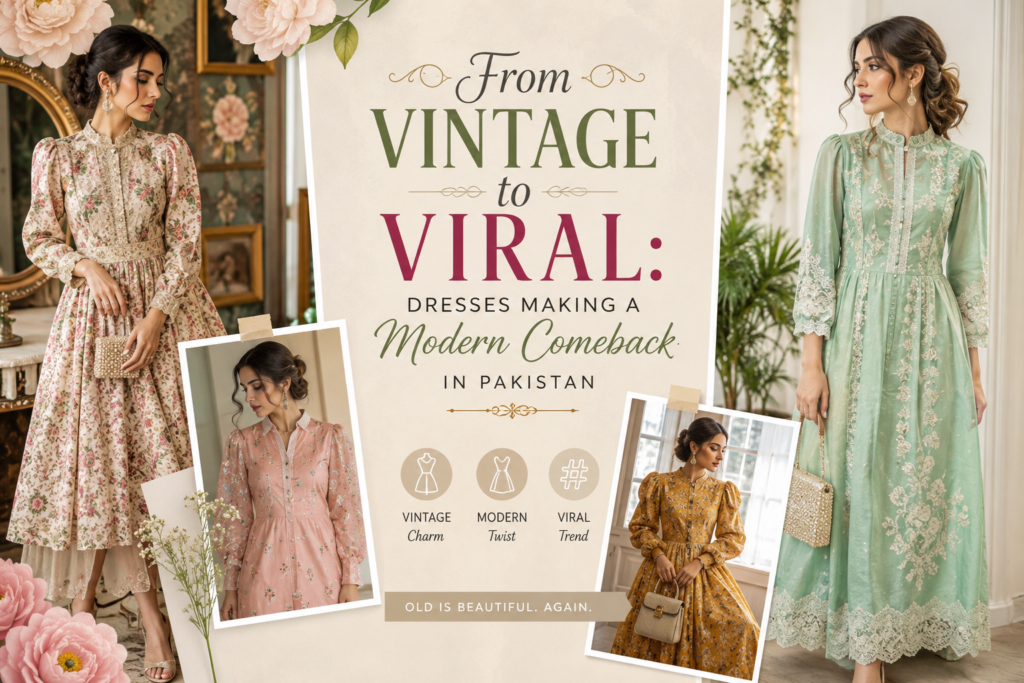
Last winter, my cousin was hunting for old photographs. She wanted them for a family gathering. She pulled out something none of us expected. There was a stack of gharara sets. There was a velvet frock with gold gota work. There was even a printed lawn dress from the early 90s.
She tried the frock on for fun. Twenty minutes later, three of our cousins had posted it on Instagram. By the next morning, someone in the family group chat asked where she “bought that stunning outfit from.”
That’s when it hit me. What used to sit in a trunk as “old clothes” had quietly turned into something everyone wanted.
Why Old Clothes Suddenly Look New Again
Fashion in Pakistan has this funny cycle. Every few years, something our mothers or khalas wore gets rediscovered. A younger crowd finds it, gives it a fresh styling twist, and suddenly it’s everywhere on Instagram and TikTok.
I noticed this shift properly around 2023. Brands like Sapphire and Khaadi started releasing prints that looked suspiciously familiar. They resembled what was sitting in old family photo albums. Floral lawns with high necklines, bell sleeves, and wide flowy silhouettes were suddenly back on the front page of online stores.
Ask any thrift seller in Landa Bazaar or Shah Alam Market in Lahore. They’ll tell you the same thing. Vintage pieces that used to be sold by weight are now picked out individually. Buyers pay triple the price because they specifically want that old-style cut.
It’s not nostalgia alone driving this. A lot of it comes down to how these pieces photograph well. They also feel different from the repetitive prints flooding every online store right now.
What Counts as “Vintage” in a Pakistani Wardrobe
Before going further, it’s worth clarifying what people mean by vintage here. It’s a bit different from how the term gets used in Western fashion content.
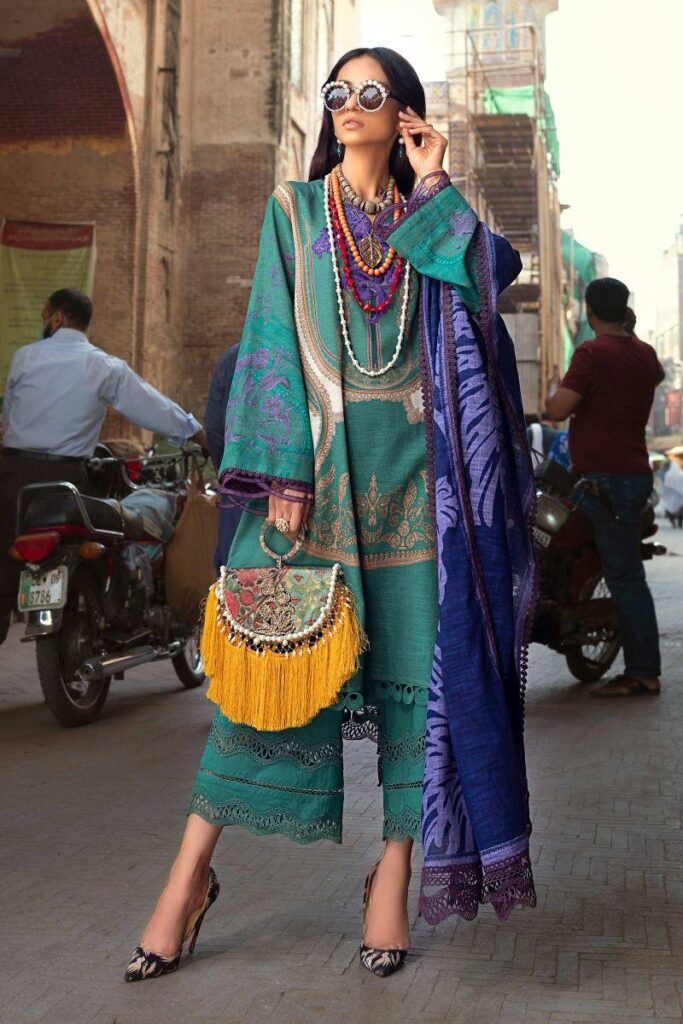
In our context, vintage usually covers:
- Handloom and khaddar frocks from the 80s and 90s
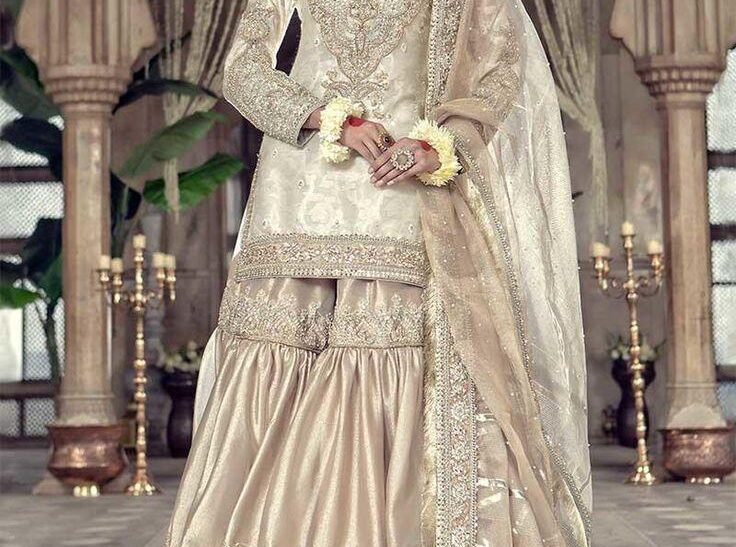
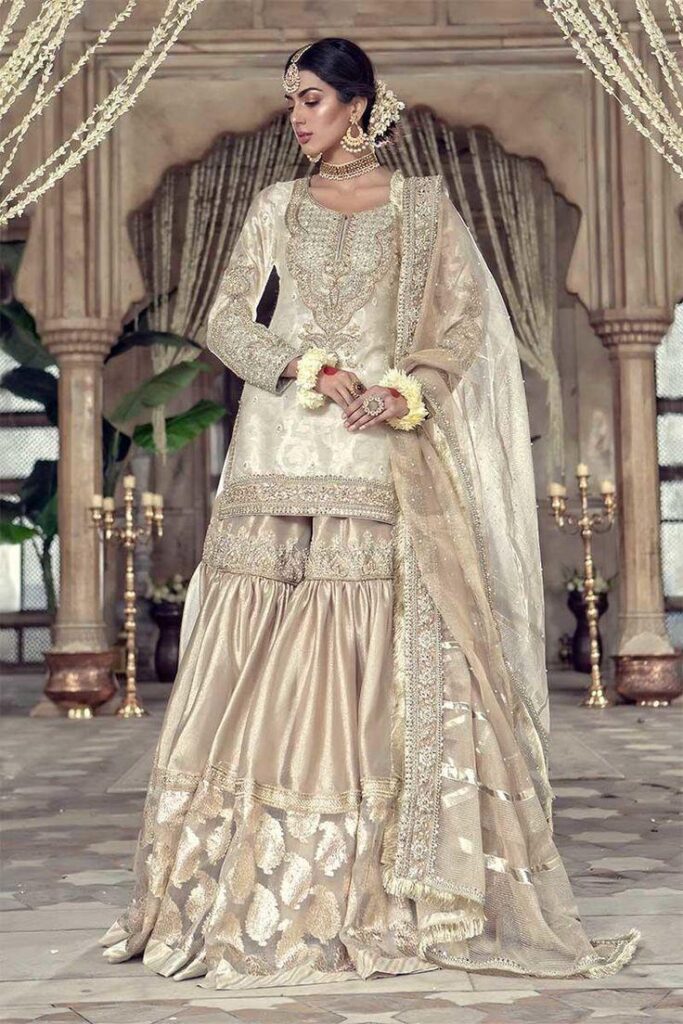
- Gharara and sharara sets with heavy zari or gota work
- Printed lawn dresses with old boat necks and puffed sleeves
- Angrakha-style kurtas with side ties instead of buttons
- Bell-bottom shalwars paired with short kurtis, a very 90s combination
Basically, anything from a parent, aunt, or grandparent’s closet counts. It just needs that distinct old-world tailoring style. The cuts are usually more generous. The fabric quality tends to be heavier. The embroidery work is often hand-done rather than machine stitched.
How This Trend Actually Started Going Viral
I did some digging into this because I was curious myself. A few things lined up around the same time.
First, thrift shopping became a whole personality trend on social media globally. Pakistani fashion pages picked it up fast. Accounts started doing “trunk reveal” videos. They’d open a mother’s old bridal trunk on camera and show the outfits inside. These videos would get hundreds of thousands of views. People genuinely wanted to see what fashion looked like decades ago.
Second, sustainability became a talking point, even if casually. People started saying old clothes were made better anyway. Honestly, that’s not entirely wrong. Old fabric, especially pure cotton and silk blends, does hold up better than some modern synthetic blends.
Third, and this pushed things over the edge, was bridal season. Designers started reviving old-style ghararas and lehengas for walima and mehndi functions. This replaced the heavily structured modern gowns that had been trending for years. Once a few celebrities wore revived vintage-inspired outfits at weddings, everyone wanted something similar.
My Own Experience Trying This Out
I’ll be honest, my first attempt at wearing a vintage piece was a bit of a disaster.
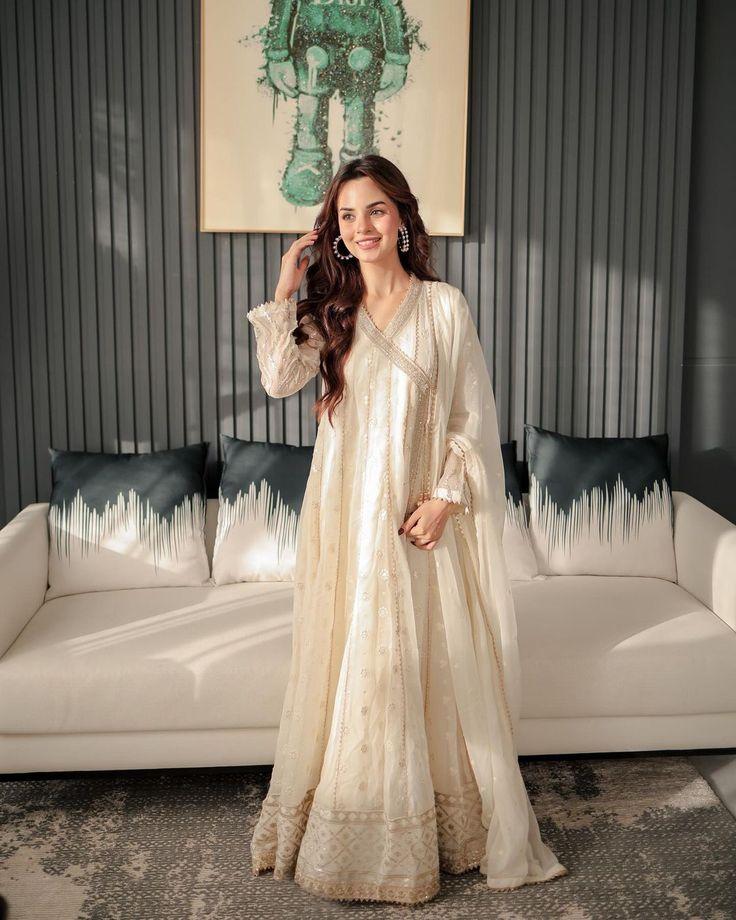
I found an old chiffon dupatta in my mother’s cupboard. It had hand-embroidered borders. I paired it with a plain modern kurta for a family dinner. The problem was the dupatta’s colors had faded unevenly over the years. Under bright lights, it looked patchy rather than intentional.
Lesson learned. Not every old piece is ready to wear straight out of storage. Some need proper handling before they go anywhere near an event.
After that experience, I took time to figure out how to do this properly. Here’s what worked.
Step 1: Check the Fabric Condition First
Before you get excited about wearing something vintage, spread it out under natural daylight. Check for a few things:
- Yellowing or uneven fading
- Small holes, especially near seams and underarms
- Weakness in the fabric where it might tear when worn
- Any musty smell that needs proper airing out
If the fabric is fragile, it might need professional handling. A regular wash at home simply won’t cut it.
Step 2: Get It Properly Cleaned
Never throw an old piece straight into the washing machine. This matters even more if it has embroidery or delicate embellishments. I made this mistake with a gota-work dupatta. I lost a good chunk of the embroidery in one wash cycle.
Dry cleaners who handle bridal wear know how to treat old fabric properly. You’ll find good ones in Liberty Market or similar markets in major cities. It costs a bit more, roughly 500 to 1500 rupees depending on the piece. It’s worth it compared to ruining something that can’t be replaced.
Step 3: Alter Where Needed, Not Everywhere
A lot of vintage dresses were tailored for a different body type standard. They were often looser through the body but shorter in length.
Instead of completely redesigning the piece, work with a tailor who understands the original cut. Ask specifically for minor alterations rather than a full restructure. Over-altering can strip away exactly what made the piece special.
Step 4: Style It With Modern Pieces
This is where the real transformation happens. Pair an old gharara with a plain, modern-cut blouse instead of the traditional matching top. It instantly looks current.
An old printed lawn frock looks completely different too. Try pairing it with simple gold jewelry instead of the heavier sets it would’ve traditionally come with.
Step 5: Document It Properly
If you’re planning to post it anywhere, natural lighting makes a massive difference. Most viral vintage outfit posts use daylight or golden hour lighting rather than indoor studio lights. It brings out the texture of old fabric much better.
Real Examples From Around Me
My aunt recently wore her own 1998 wedding gharara to my cousin’s mehndi function. She only got the blouse redone to a more fitted, modern silhouette. She got so many compliments that people assumed it was a new designer piece.
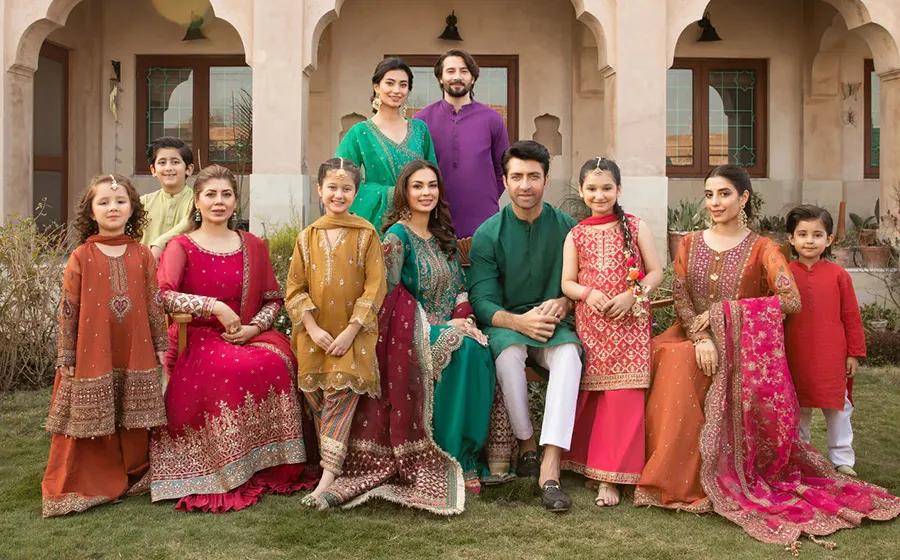
A friend of mine runs a small online thrift page. She resells restored vintage pieces from family collections and local thrift markets. Her most popular sellers are angrakha-style kurtas and old chiffon dupattas with hand embroidery. Buyers specifically search for these because they can’t find similar handwork quality in newer, mass-produced pieces.
Even bridal designers have caught onto this. Some now offer “vintage revival” packages. They take an old family bridal outfit and restore or lightly redesign it instead of making something completely new. It’s becoming a genuine service option, not just a personal styling hack.
Common Mistakes People Make With This Trend
Skipping the Inspection Step
People get excited and wear something without checking fabric condition first. This sometimes leads to embarrassing tears or stains showing up mid-event.
Over-Altering the Piece
Some people try to make an old dress look completely modern all at once. They change the neckline, sleeves, and length together. This often erases what made the piece special in the first place. Small adjustments work better than a full redesign.
Ignoring Proper Storage After Wearing
Once you’ve worn a vintage piece, it needs to go back into breathable cotton storage bags. Avoid plastic. Plastic traps moisture and speeds up fabric damage over time.
Assuming Everything Old Is Automatically Trendy
Not every old piece works for a modern look. Some fabrics and prints genuinely look dated rather than stylish. Forcing them into an outfit just because they’re old doesn’t always pay off. It helps to be a bit selective instead.
Buying From Unreliable Thrift Sources Online
The trend is growing, and some online sellers now claim regular new stitched clothes are “genuine vintage.” They do this just to charge higher prices. Always ask for the actual history or source of the piece. Check stitching style and fabric type before paying extra for something labeled vintage.
Where People Are Finding These Pieces Now
Aside from family trunks, a few reliable spots have become popular for genuine vintage finds:
- Landa Bazaar and Shah Alam Market in Lahore for bulk thrift searching
- Sunday Bazaars in Karachi and Islamabad, particularly early morning when better pieces come out first
- Local Facebook groups dedicated to thrift and pre-loved clothing exchanges
- Instagram thrift pages that specifically curate and restore older pieces before reselling
If you’re going the thrift market route, going early in the day genuinely makes a difference. The better pieces get picked up fast once the crowd builds up.
Final Thoughts
What started as a random trunk discovery in my own family turned into something I actually pay attention to now. There’s something different about wearing a piece that has actual history behind it. It beats something picked off a rack that a thousand other people also bought this season.
This isn’t about replacing modern fashion entirely. It’s more about giving old, well-made pieces a second life instead of letting them sit forgotten in storage. If you happen to have an old trunk sitting somewhere in your house too, it might be worth opening it up. There could be more inside than you think.