
I still remember the exact moment I became a regular at a tiny Thai place two blocks from my old apartment. It wasn’t the food, though the pad see ew was solid. It was the second time I walked in, and the guy behind the counter said, “No peanuts this time, right?” before I even opened my mouth.
I hadn’t told him my name. I’d mentioned my peanut allergy once, three weeks earlier, in passing. He remembered.
That’s it. That’s the whole trick. And yet most restaurants, even good ones, completely miss it.
I’ve eaten out more times than I can count, worked a few years in hospitality during college, and spent way too much time thinking about why some places earn a spot in my weekly rotation while others, despite genuinely great food, get one visit and never see me again. This article is everything I’ve picked up from both sides of that counter.
Why Good Food Alone Doesn’t Bring People Back
Here’s an uncomfortable truth for restaurant owners: your food is probably not the reason people stop coming back. It’s rarely the reason they start coming back either, past that first visit.
Think about your own habits for a second. Is your favorite regular spot actually the best-tasting food in your city? Mine isn’t. There’s a fancier, more technically impressive restaurant twenty minutes away that I’ve been to exactly once. The food was excellent. I have zero desire to go back.
Why? Nothing about the visit made me feel like anything other than a transaction. Table for two, order taken, food served, check dropped, thanks come again. It was efficient. It was forgettable.
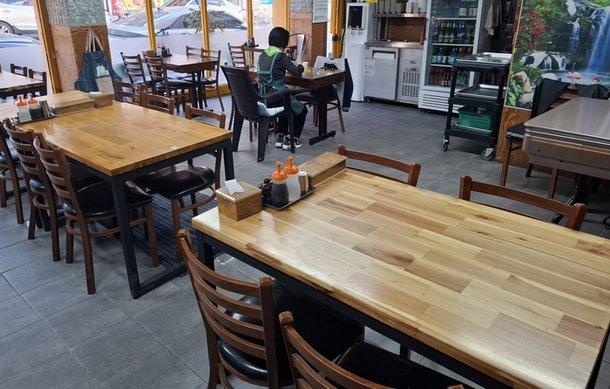
Meanwhile, that Thai place has mediocre parking, a menu that hasn’t changed in years, and a dining room that’s honestly a little cramped. I go there every other week.
Food gets people through the door once. Everything else determines whether they come back.
The First Fifteen Minutes Matter More Than the Meal
I used to think the make-or-break moment in a restaurant was the food hitting the table. I was wrong. It’s the first fifteen minutes.
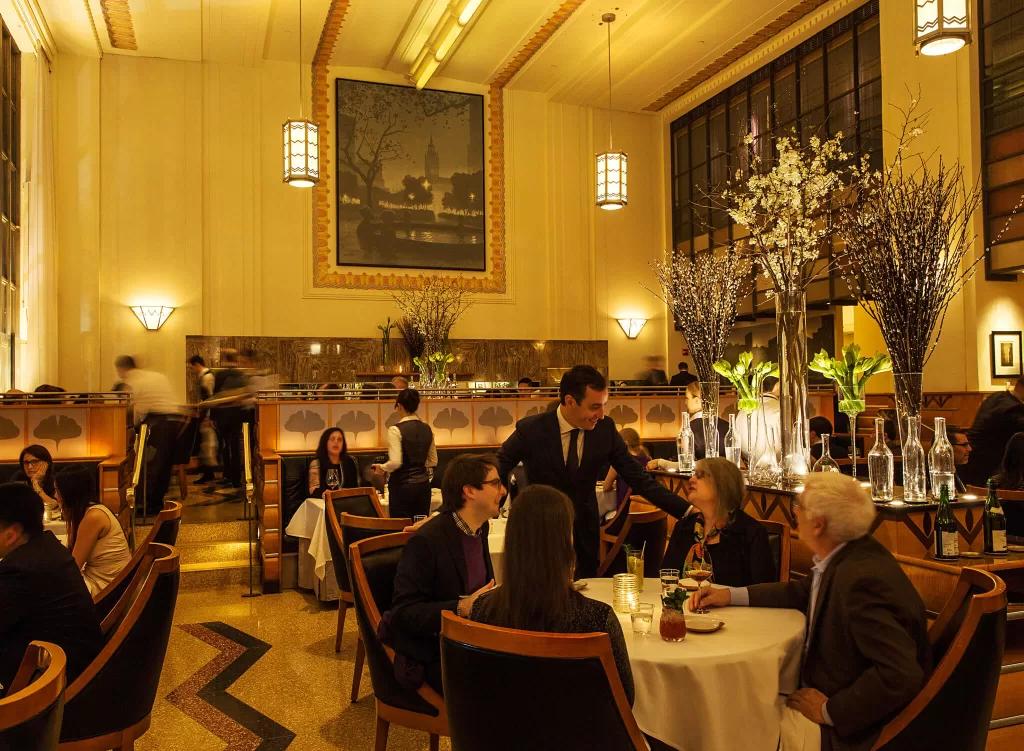
Walk into a place and get ignored for five minutes while three staff members chat near the register, and you’ve already formed an opinion before you’ve read the menu. Doesn’t matter how good the steak is after that.
Restaurants that turn first-timers into regulars nail this window every single time. A few things I’ve noticed they do consistently:
They acknowledge you within seconds, even if they can’t seat you right away. A quick “hey, we’ll be right with you, maybe five minutes” costs nothing and changes everything. Silence makes people feel invisible.
They read the room instead of running a script. Some hosts recite the same greeting to everyone. The good ones notice you’re on a first date, or you’ve got a toddler mid-meltdown, or you’re clearly in a hurry, and they adjust.
They don’t rush the seating small talk, but they don’t drag it either. There’s a sweet spot between robotic and overly chatty. Good staff find it naturally.
I asked a friend who manages a mid-size bistro in Chicago about this once. She told me they train new hosts to make eye contact and say something specific about the guest within the first minute, not just “welcome, table for how many.” Even something small like noticing a guest is carrying a gift bag and asking if they’re celebrating something. It sounds minor. It’s not.
Consistency Beats Perfection Every Time
This one surprised me when I first started paying attention to it.
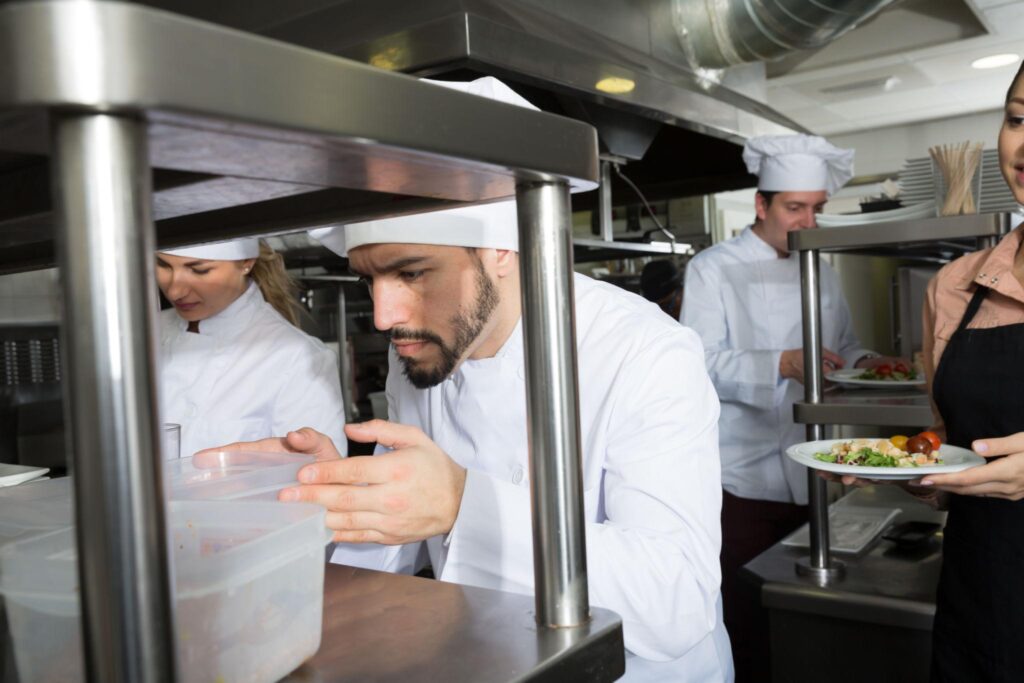
You’d think the restaurants people keep returning to would be the ones nailing every dish, every time, no exceptions. Actually, the loyalty tends to build around consistency, not perfection.
A burger joint I used to frequent had a burger that was good, not mind-blowing, every single visit. Same seasoning, same doneness, same bun toasted the same way. I knew exactly what I was getting before I walked in.
Compare that to a place I tried a few times where the same dish was incredible one visit and oddly bland the next. Great chef, clearly talented, but inconsistent execution across shifts. I stopped going, not because the food was bad, but because I couldn’t trust it.
People build habits around predictability. If someone can’t count on your restaurant delivering the same experience twice, they’ll eventually stop taking the gamble, even if the ceiling on your food is higher than the reliable place down the street.
A Quick Story About a Coffee Shop
There’s a coffee shop near my current place that gets this completely right. Same oat milk cortado, every time, down to the temperature. I’ve ordered it probably 200 times. It’s never once surprised me in a bad way.
That’s not boring. That’s trust. And trust is what turns a first visit into a habit.
Remembering People Without Being Creepy About It
The peanut allergy story I opened with is a small example of something bigger: memory as a loyalty tool.
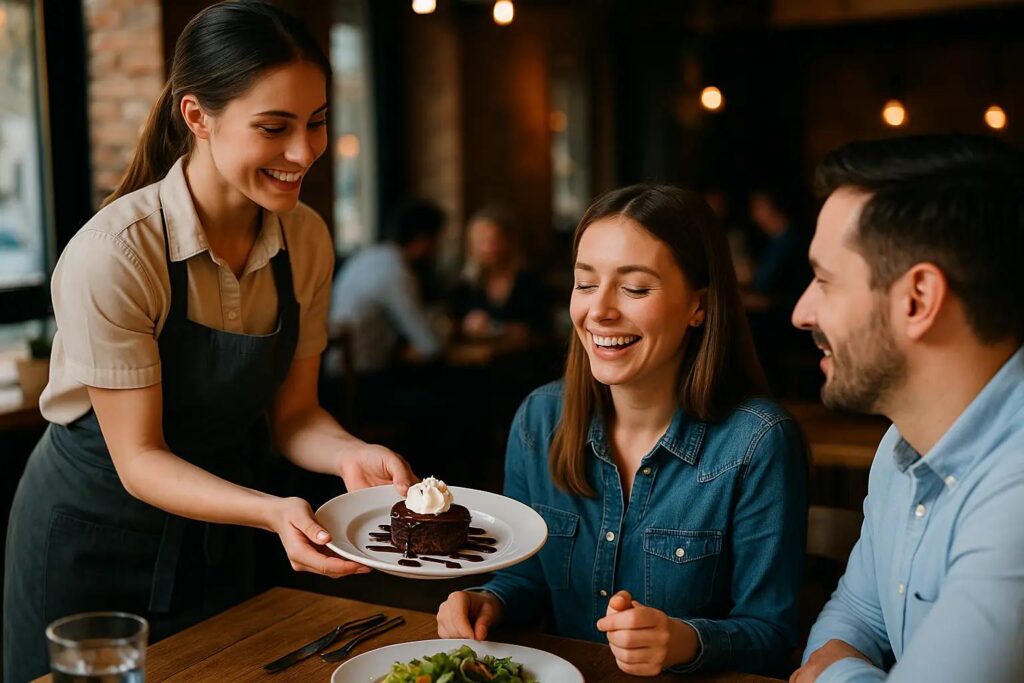
Good restaurants remember things about their regulars, and smart ones start building that memory from visit one. This doesn’t require a fancy system, although some do use one.
A few real examples of how restaurants pull this off:
- A steakhouse I go to keeps notes in their reservation software (they use OpenTable) about regulars’ preferences. Medium rare, no mushrooms, always sits in the corner booth if available.
- A neighborhood pizza spot has a whiteboard in the back where staff jot down things like “guy with the dog, always gets extra napkins.”
- A sushi counter I visited in Seattle had the chef ask, halfway through my meal, if I still wanted things spicier than usual, referencing something I’d mentioned two months prior.
None of this requires expensive technology. Toast, Square, and OpenTable all have basic guest note features built in, and plenty of smaller places just use a shared notebook or group chat among staff. The tool matters less than the habit of actually using it.
The key is subtlety. There’s a difference between “we remembered your order” and “we’ve been tracking your every move,” and crossing that line makes people uncomfortable instead of delighted. Keep it light. Keep it useful. Don’t overdo it.
Step-by-Step: What Restaurants Can Actually Do
If you’re running a restaurant, or managing one, here’s a practical breakdown of how to build this kind of loyalty on purpose, rather than hoping it happens organically.
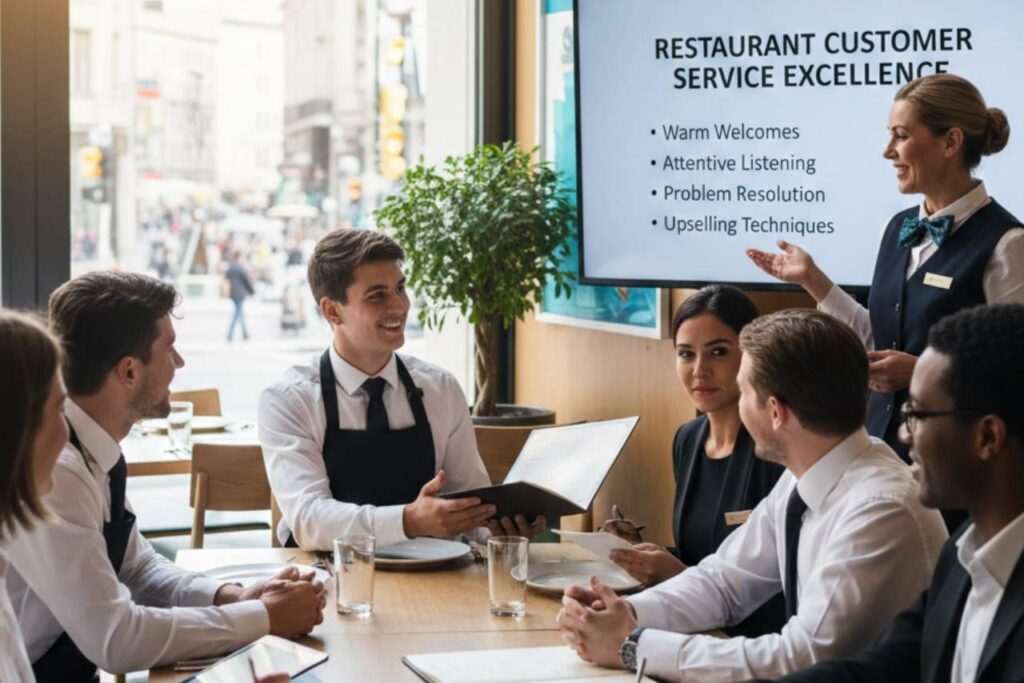
Step 1: Fix the greeting window first
Before touching the menu or the decor, look at what happens in the first two minutes of a guest’s visit. Time it. Have someone secret-shop your own restaurant if you have to. If guests are waiting more than 30 seconds without acknowledgment, that’s your first fix.
Step 2: Train staff to notice one detail per table
Not a script. A habit. Encourage servers to pick up on one thing per table, whether that’s an accent suggesting they’re visiting from out of town, a birthday candle request, or a comment about being new to the neighborhood. That detail becomes the seed for a future personal connection.
Step 3: Build a simple system for remembering regulars
Doesn’t need to be complicated. A notes field in your POS system, a shared spreadsheet, even a physical notebook by the host stand works. The important part is that whatever gets noted actually gets used next time.
Step 4: Standardize your best dishes
Pick your top five menu items and nail down the exact recipe, portion, and prep process so any cook on any shift produces the same result. Consistency here matters more than expanding the menu.
Step 5: Create a small, genuine reason to come back
This doesn’t have to be a loyalty app, though those work too (Toast Loyalty and Punchh are common choices for smaller operations). Sometimes it’s as simple as a server saying “we’re doing a new seasonal dish next month, you should try it” and actually following up.
Step 6: Ask for feedback and visibly act on it
When a regular mentions the soup was too salty last time, and it’s noticeably better next visit, that guest notices. It tells them their opinion mattered, not just their money.
Step 7: Say goodbye like you mean it
The exit matters almost as much as the entrance. A rushed “here’s your check” ending leaves a flat final impression. A genuine “hope to see you again soon” said by someone who actually seems to mean it leaves people wanting to prove it right.
Common Mistakes Restaurants Make
I’ve noticed the same handful of mistakes over and over, both as a customer and from friends who work in the industry.

Treating every guest like a first-timer, forever. Some restaurants never build recognition into their process, so even someone who’s been coming for a year gets treated like a stranger. That erases any sense of relationship.
Over-relying on discounts instead of experience. Coupons and loyalty points bring people back for the deal, not for the place. The second that deal disappears or a competitor offers a better one, so does the customer. Genuine hospitality creates stickier loyalty than any punch card.
Inconsistent staffing quality. A restaurant might have one incredible server and three mediocre ones. If a first-time guest gets seated with the wrong one, that single interaction can undo everything else the business does right.
Ignoring the exit experience. Restaurants pour resources into the entrance and the meal, then let guests leave without any warmth. It’s a wasted opportunity that costs nothing to fix.
Forgetting that memory needs a system. Relying purely on individual staff members’ memory means that knowledge walks out the door when that employee quits. Write things down somewhere that survives staff turnover.
Changing menu items too often. Regulars build attachment to specific dishes. Rotating the menu constantly, chasing trends, can accidentally alienate the very people who kept a place afloat during slow seasons.
Small Restaurants Have an Advantage Here
One thing worth mentioning: independent restaurants often have a real edge over chains when it comes to this kind of loyalty building, even without the tech budget or corporate training programs.
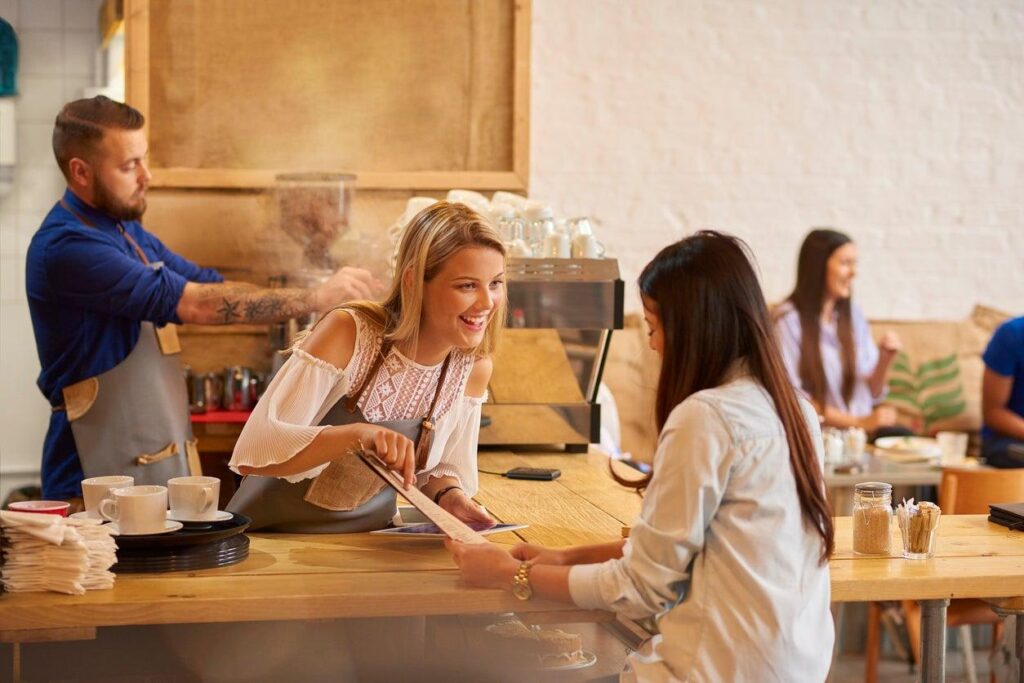
A chain restaurant can nail consistency through standardized processes, but genuine personal connection is harder to scale. A small, independently owned spot can let a server actually get to know regulars because staff turnover tends to be lower and the owner is often physically present.
I think that’s part of why neighborhood restaurants tend to build such fierce loyalty despite having smaller marketing budgets and less polished branding. The relationship does the marketing for them.
What This Looks Like From the Guest Side
Let me flip perspectives for a second, because understanding what regulars actually notice helps explain why all this works.
As a regular, I don’t need my order memorized perfectly every time. I don’t need free stuff. What I actually want is to feel like showing up somewhere is easier than it was the last time. Like the staff and I have some shared history, even a small one.
That feeling is what makes someone choose a familiar restaurant over trying something new on a random Tuesday night. It’s not always about the best food in town. It’s about the place where you feel most like yourself.
Final Thoughts
Turning a first-time visitor into a regular isn’t really about grand gestures or expensive loyalty programs. Most of the restaurants that do this well are working with small, human moments stacked on top of each other over time.
Remembering the peanut allergy. Getting the greeting right at the door. Making the burger taste the same way it did last month. Saying a genuine goodbye instead of a rushed one.
None of it requires a huge budget. It requires attention, a decent system for remembering things, and staff who actually care whether someone comes back.
The restaurants that master this don’t just build a customer base. They build something closer to a small community that happens to gather around good food. And once you’re part of one of those, you don’t really think about trying somewhere new anymore. You just go back.