
What I Learned After Actually Sailing Through It
A few years back, I took a sailing trip from Fort Lauderdale to Bermuda. My friend owns a decent-sized catamaran, and we made the crossing together. Somewhere around day two, he casually mentioned we were passing through the Bermuda Triangle. I remember feeling this weird flicker of nervousness, even though I consider myself a pretty logical person.
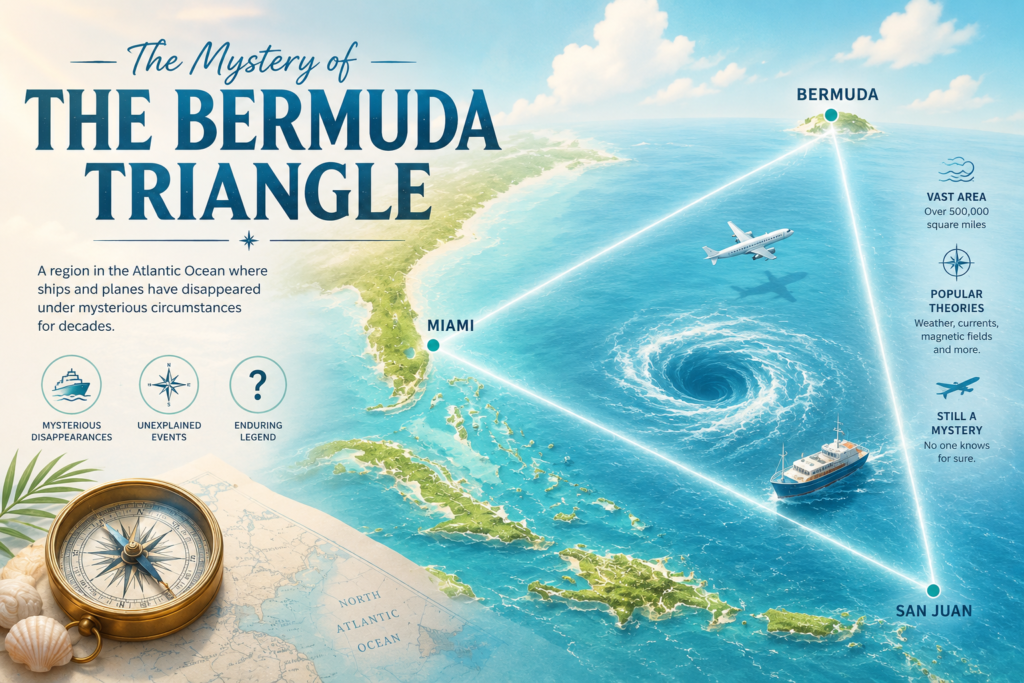
Nothing happened, obviously. The water stayed calm. The instruments worked fine. We made it to Bermuda without any strange electrical failures or missing time.
But that trip got me curious. I wanted to dig into the real story behind this whole thing, instead of relying on vague documentaries I half remembered from childhood. What I found was way more interesting than ghost ships and alien abductions. It’s also a lot more useful if you’re someone who travels through that region regularly.
What The Bermuda Triangle Actually Is
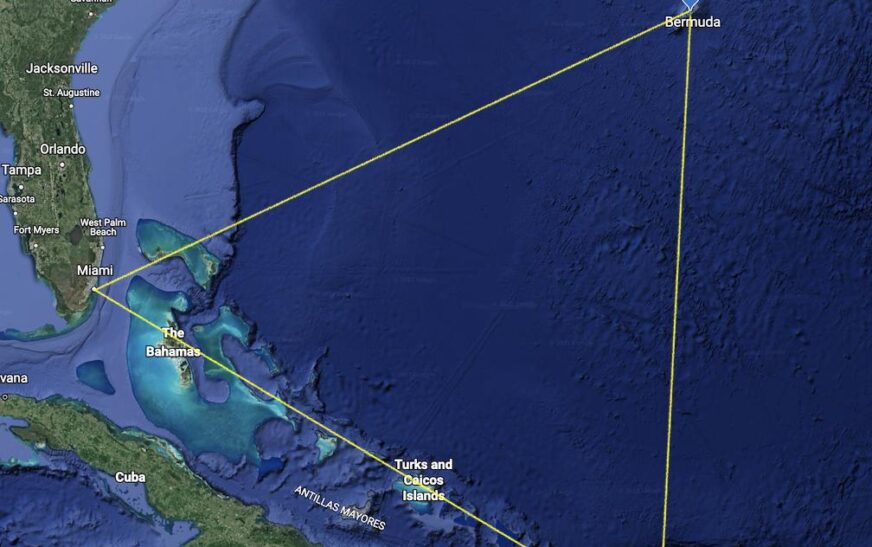
The Bermuda Triangle refers to a loosely defined area in the western Atlantic Ocean. It’s roughly bounded by Miami, Bermuda, and Puerto Rico. It’s not an official geographic designation, so you won’t find it labeled on nautical charts or government maps.
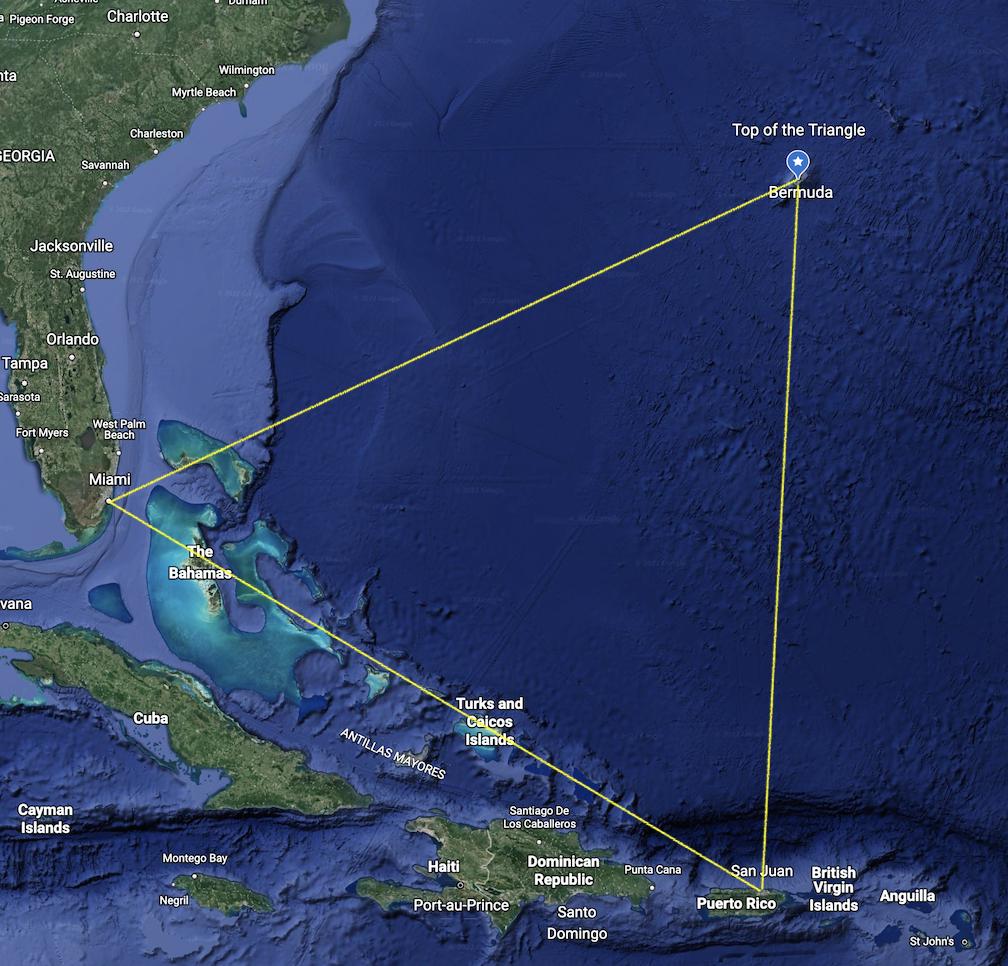
The size and shape of the triangle change depending on which book or documentary you’re referencing. Some versions stretch it further into the Gulf of Mexico. Others keep it tighter around the three main points.
This area gained its spooky reputation after a string of ship and aircraft disappearances throughout the 20th century. Flight 19, from 1945, is one of the most famous cases people bring up.
Why This Region Got Such A Wild Reputation
The reputation really took off after a 1964 magazine article by Vincent Gaddis, who coined the term “Bermuda Triangle.” Charles Berlitz’s 1974 book on the topic later became a massive bestseller. That book cemented the mystery in pop culture for decades.
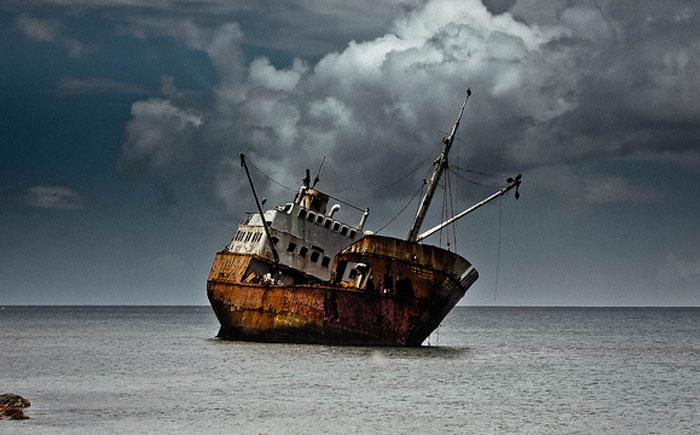
Once the story caught on, people started retroactively connecting almost any disappearance in that general region back to the triangle. This happened even with cases that occurred decades apart under completely different circumstances.
I noticed this pattern myself while researching. Some sources list incidents that happened hundreds of miles outside the commonly accepted triangle boundaries. They get included just because they occurred somewhere in the Atlantic.
The Explanations That Actually Hold Up
Here’s where things get genuinely interesting. The real explanations are honestly cooler than the supernatural ones once you understand them.
Rogue waves
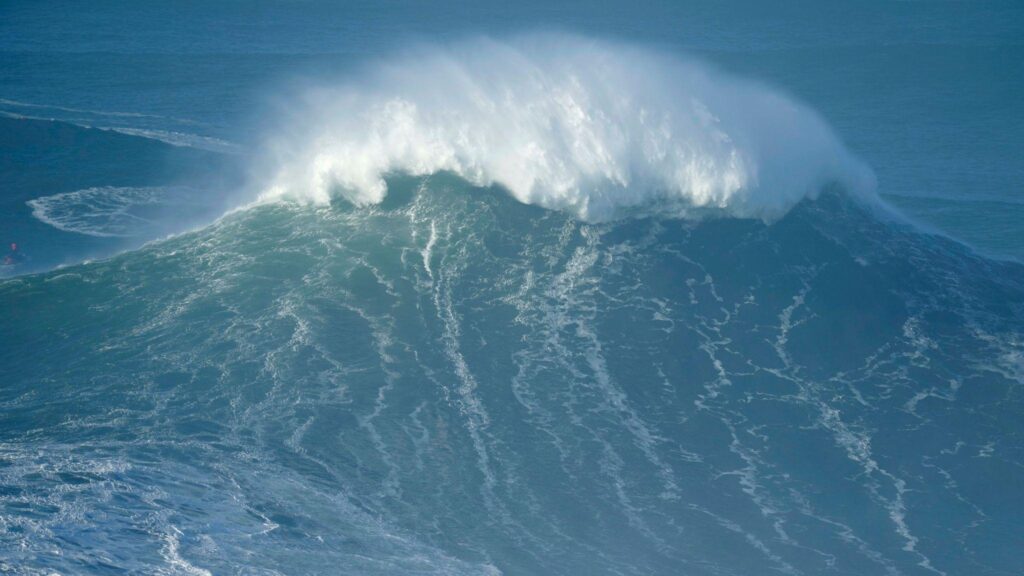
Rogue waves are unusually large, unpredictable ocean waves. They can reach heights far beyond normal sea conditions. For a long time, scientists doubted these even existed, treating them more like sailor folklore.
That changed in 1995. An oil platform in the North Sea recorded a rogue wave nearly 26 meters tall, known as the Draupner wave. This confirmed rogue waves are real physical phenomena. They’re capable of overwhelming ships that wouldn’t normally be at risk in typical conditions.
The Atlantic, including the Bermuda Triangle region, experiences weather patterns that can produce these waves. This happens particularly during hurricane season.
The Gulf Stream
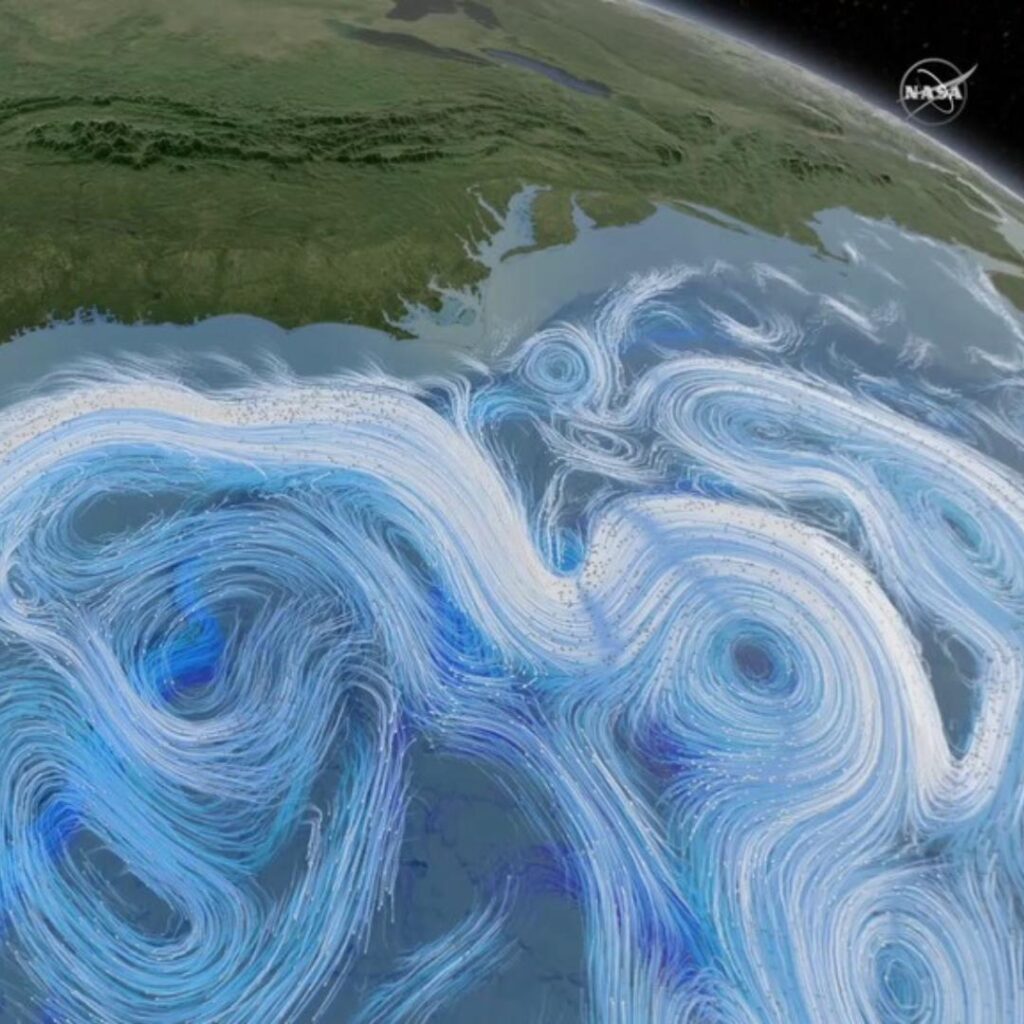
The Gulf Stream runs directly through this region. It’s one of the strongest ocean currents in the world. This current can quickly move wreckage, life rafts, or debris far from where an incident actually happened, which makes search and rescue efforts extremely difficult.
I actually felt this current firsthand during our sailing trip. Our boat’s speed noticeably changed depending on whether we were fighting against it or moving with it. I could only imagine how disorienting that current would feel for a smaller vessel in bad weather, especially without modern GPS.
Unpredictable weather
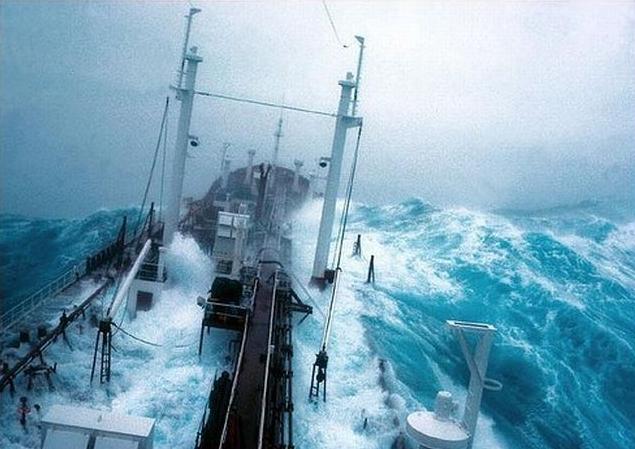
This part of the Atlantic sits in a zone that experiences frequent, fast-forming tropical storms and hurricanes. Weather here can shift from calm to dangerous surprisingly fast. That was especially true before modern forecasting tools existed.
Many of the older disappearances people point to happened before satellite weather tracking existed. Radar and reliable long-range radio communication weren’t standard equipment on ships and planes back then either.
Human error and equipment limitations
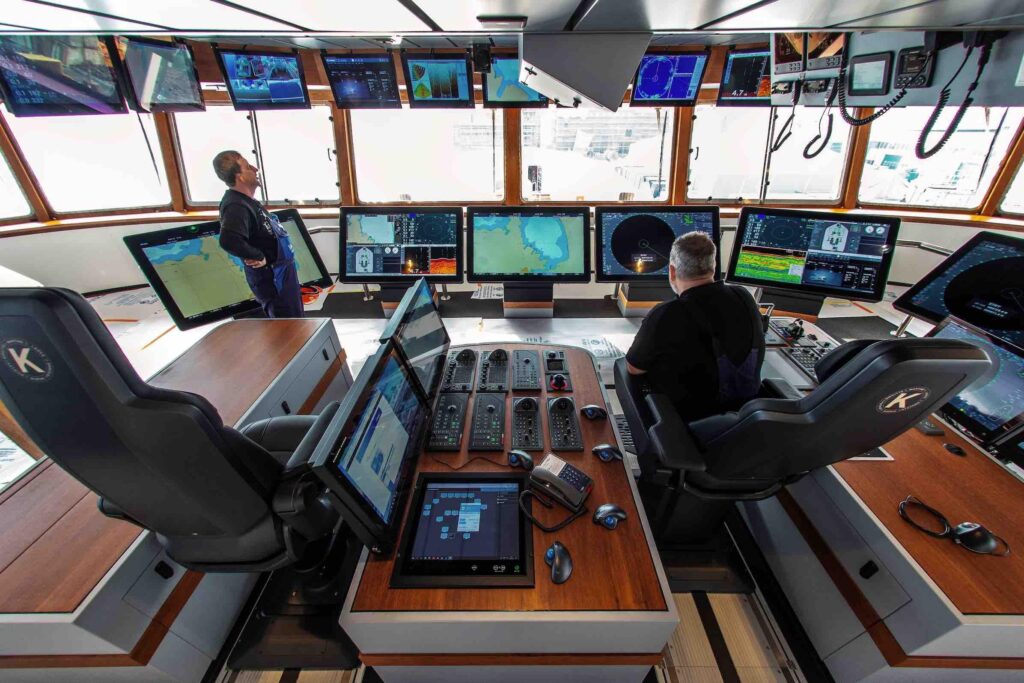
A lot of the classic Bermuda Triangle stories involve older technology that we’d consider unreliable today. Flight 19, the famous squadron of Navy bombers that vanished in 1945, dealt with compass malfunctions and worsening weather. The flight leader also reportedly became disoriented about their location.
Modern investigations into that incident point toward navigational error. Bad weather and a fuel shortage likely made things worse. None of it points to anything mysterious.
Checking The Actual Data
This is the part that surprised me most during my research. The U.S. Coast Guard and Navy have both publicly stated that incidents in the Bermuda Triangle aren’t statistically higher than in any other heavily trafficked ocean region.
Lloyd’s of London is one of the largest insurance markets in the world. They reportedly don’t charge higher premiums for ships traveling through the area. That detail matters. Insurance companies calculate real risk for a living, and they don’t treat this region as more dangerous.
The National Oceanic and Atmospheric Administration, or NOAA, has also stated there’s no evidence supporting unusual magnetic anomalies or supernatural explanations for incidents in the area.
Step-By-Step: How I Actually Verify Bermuda Triangle Claims Now
After going down this rabbit hole, I built a simple process for checking wild claims about this topic. Honestly, it works for most conspiracy-style topics in general.

Step 1: Check the original source of the incident. A lot of famous stories get exaggerated between retellings. Searching for original newspaper archives or official incident reports often reveals a much less mysterious version of events.
Step 2: Look up the exact location. Many incidents attributed to the triangle actually happened outside its commonly accepted boundaries. Cross-referencing coordinates against a map clears up a lot of confusion fast.
Step 3: Check the weather conditions at the time. Historical weather databases, including NOAA’s archives, often show storms or hurricanes were active during many of these supposed mysterious disappearances.
Step 4: See if the wreckage or debris was ever found. In several cases, wreckage was actually located later, sometimes years afterward. That update rarely gets the same attention as the original mysterious disappearance story.
Step 5: Compare disappearance rates to similar ocean regions. Busy shipping lanes and flight paths naturally have higher incident numbers, simply because more vessels pass through them. Comparing raw numbers without accounting for traffic volume paints a misleading picture.
Real Cases Worth Knowing About
Flight 19
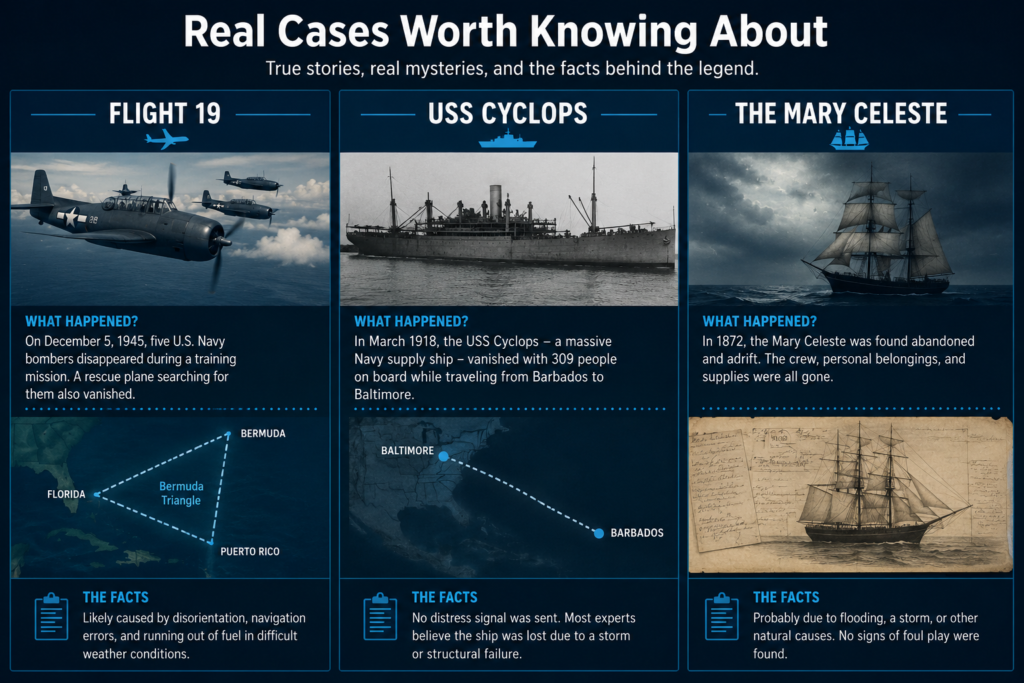
Five Navy bomber planes disappeared in December 1945 during a training exercise. A rescue plane sent to search for them also vanished the same day. The training flight leader had reported severe compass difficulties, and worsening weather likely made the navigation problems worse.
The rescue aircraft was a Mariner bomber with a known issue involving fuel vapor buildup, which made it prone to mid-air explosions. A ship in the area reported witnessing what looked like an explosion around the time it disappeared.
USS Cyclops
This massive Navy cargo ship vanished in 1918 with over 300 people aboard. It never sent a distress signal. It remains one of the largest single losses of life in Navy history outside of combat.
Investigations point toward possible structural failure. The ship was known to be overloaded at the time, and it likely ran into severe storm conditions along its route.
The Mary Celeste
People often lump this ship into Bermuda Triangle stories. It was actually found abandoned in the Atlantic near the Azores, nowhere close to the actual triangle region. This case gets misattributed constantly, mostly because the real story already sounds eerie enough on its own.
Common Mistakes People Make When Researching This Topic
Believing every documentary claim without checking sources is probably the biggest mistake. A lot of older Bermuda Triangle content recycles the same unverified stories from the 1970s, without updating anything as new details emerge.
Ignoring shipping traffic volume creates a skewed perception too. Comparing raw disappearance numbers, without factoring in how many ships and planes actually pass through the region each year, makes it seem far more dangerous than it statistically is.
Confusing general Atlantic Ocean incidents with actual triangle-specific cases happens constantly, as I mentioned with the Mary Celeste example.
Assuming modern disappearances still happen at the same rate as decades ago is another mistake. GPS, satellite communication, and modern weather forecasting have drastically reduced these kinds of incidents across all ocean regions, not just this one.
If You’re Actually Traveling Through The Region
Plenty of people genuinely travel through this area, whether flying to Bermuda or sailing through the Caribbean. Here’s some practical advice based on my own trip and conversations with experienced sailors.
Check weather forecasts obsessively before departure. Keep checking during the trip too, especially if you’re on a longer voyage. Apps like Windy or PredictWind give detailed marine forecasts that are far more reliable than older methods.
Make sure your emergency equipment works and is registered properly. This includes EPIRBs, or emergency position-indicating radio beacons. These devices send your exact location to rescue services if something goes wrong.
File a float plan with someone onshore before departing. Include your route and expected arrival time. This is standard safety practice for any ocean crossing, regardless of which region you’re traveling through.
None of this is specific to the Bermuda Triangle, really. It’s just standard maritime safety. That alone says a lot about how overblown the mystery has become.
Final Thoughts
Sailing through the Bermuda Triangle myself turned out to be the least mysterious thing I’ve ever done. Honestly, that feels a little anticlimactic to admit. No missing time, no equipment failures, just open water and decent weather the whole way.
The real story behind this region involves rogue waves, strong currents, unpredictable storms, and outdated technology from decades past. Add a media narrative that snowballed way beyond what the actual data supports, and you get the legend we know today.
That doesn’t make it any less fascinating though. Understanding the real explanations behind famous disappearances feels a lot more satisfying than just accepting the supernatural version everyone grew up hearing about. Separating fact from decades of exaggerated storytelling is honestly the more interesting mystery to solve.