
The $4 Jacket That Made Me a Thrifting Addict
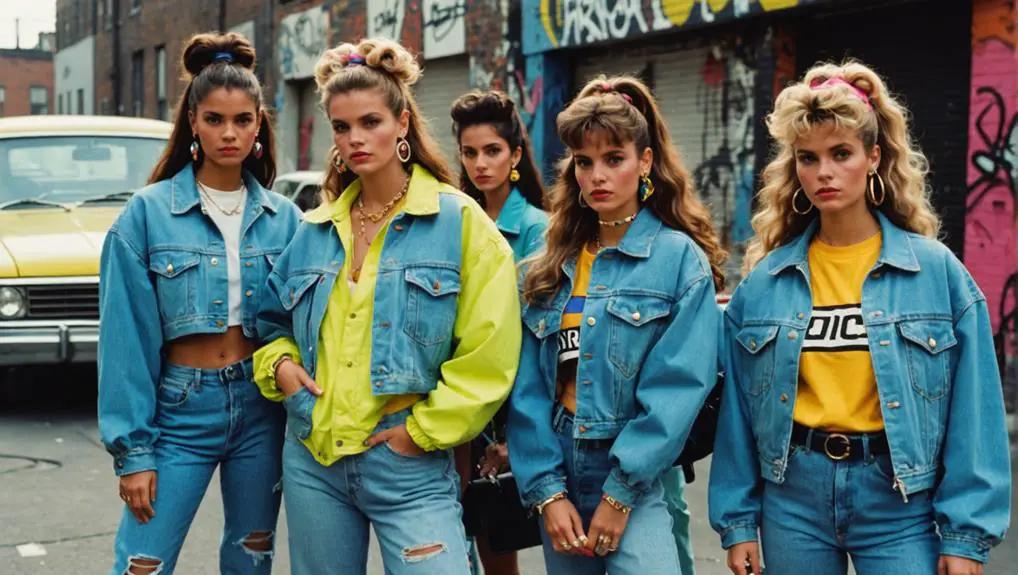
Three years ago, I walked into a Goodwill with zero expectations and walked out with a 1970s Levi’s denim jacket in near-perfect condition for four dollars. Four dollars. The same jacket was listed on Depop for $145 three days later when I searched out of curiosity.
That single find rewired my brain completely.
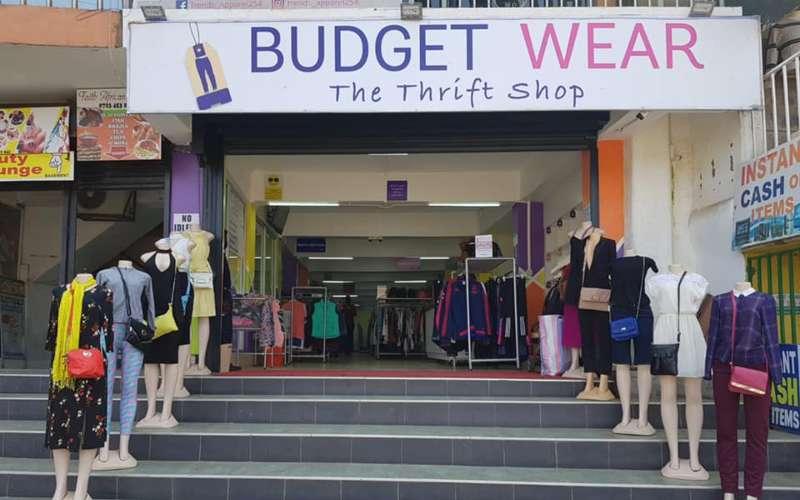
Before that jacket, thrift stores felt overwhelming — chaotic, smelly, disorganized, and full of things nobody wanted for obvious reasons. After it, every rack became a potential treasure hunt. Every Saturday morning shifted from something I slept through to something I genuinely looked forward to.
Now, after hundreds of thrift store visits, a few embarrassing overpays, several incredible finds, and enough mistakes to fill a separate article entirely, I can tell you that thrifting well is absolutely a skill. Nobody is born knowing how to spot a genuine vintage piece buried between a bedazzled sweatshirt and a promotional T-shirt from a 2003 fun run.
The good news is that the skill is learnable. Here’s everything I wish someone had told me before I started.
Why Thrifting Has Completely Changed and What That Means for You
Thrift stores aren’t what they were a decade ago. The rise of reselling platforms like Depop, Poshmark, ThredUp, and eBay transformed secondhand shopping from a budget necessity into a competitive sport. Professional resellers now hit thrift stores early, moving methodically through racks with practiced eyes and phone apps open, scooping up the most valuable pieces before casual shoppers arrive.
Understanding this shift matters because it changes how you need to approach the whole thing. Showing up on a Saturday afternoon and expecting to casually stumble onto a rack of untouched vintage gems is increasingly unrealistic in most cities. Winning at modern thrifting requires some strategy, timing awareness, and a baseline of knowledge that separates a good find from an expensive mistake.
None of this means the good stuff is gone. Thrift stores receive donations constantly, and stock rotates faster than most people realize. Knowing when and where to look dramatically improves your odds.
The First Thing You Actually Need: Fabric Knowledge
Most beginner thrifters focus on brand names and ignore fabric — and that’s the single biggest mistake in the whole game.
Learning to read fabric content labels transforms your thrifting immediately. Natural fibers — wool, cotton, silk, linen — hold up over decades in ways that synthetic blends simply don’t. A garment from the 1960s made of pure wool can look almost new. A polyester blend from 2005 often looks tired and worn within years.
Vintage clothing — meaning pieces made before roughly the early 1990s — was predominantly made from natural fibers because synthetic blends weren’t yet ubiquitous. Finding a garment with high natural fiber content is often the first signal that something is genuinely old rather than deliberately styled to look vintage.
How to Read Labels Like a Pro
Grab the tag and look for the fiber content percentage first. Pure wool, 100% cotton, or 100% silk are exciting to find. Blends aren’t automatically bad — a 60% wool blend coat can still be excellent — but all-synthetic compositions are rarely worth excitement.
Country of origin tells you a lot too. Garments labeled “Made in USA” with union tags — particularly ILGWU or ACWA labels — date to specific manufacturing eras and confirm genuine vintage status. “Made in West Germany” immediately tells you a piece predates 1990. Labels reading “Made in Hong Kong” or “Made in Taiwan” typically suggest 1960s through early 1980s origin.
Care instructions give clues as well. Very old garments often have no care label at all, since care label requirements weren’t federally mandated in the United States until 1971. Finding a garment without any care instruction tag is often a sign you’re holding something genuinely old.
How to Move Through a Thrift Store Efficiently
Walking into a thrift store without a system wastes enormous amounts of time and causes the kind of decision fatigue that makes you give up before finding anything good.
Start with the section most relevant to what you’re hunting, but commit to moving through it completely rather than skimming. Rushing through racks and only pulling things that catch your eye from a distance means missing the pieces that photograph poorly on a hanger but fit and look extraordinary in person.
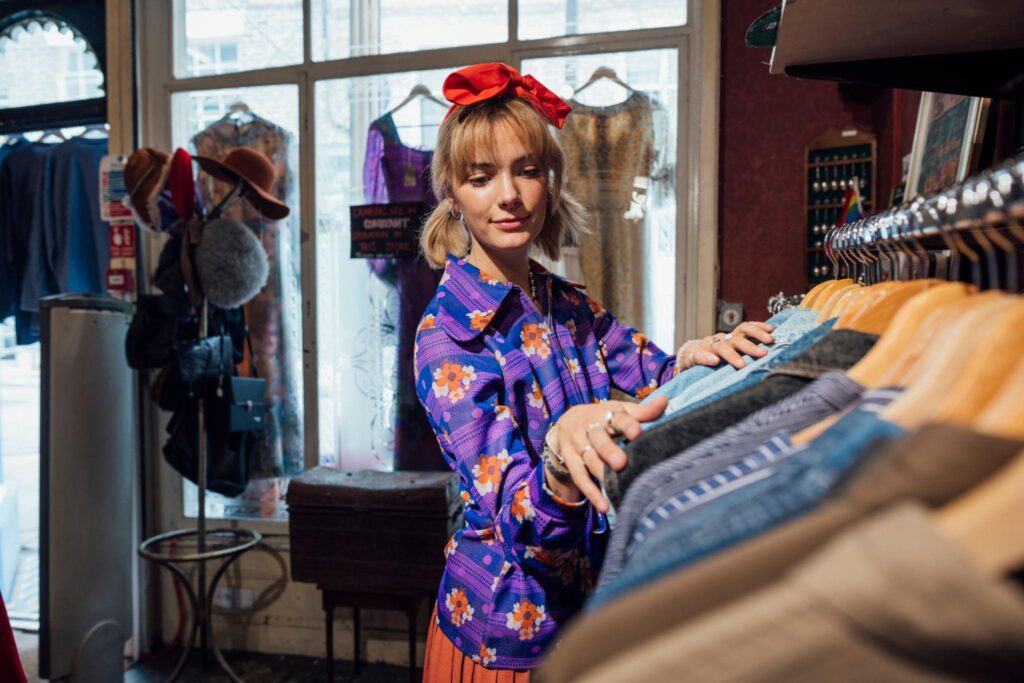
Develop the habit of touching everything as you flip through. Fabric quality is felt before it’s seen. Running your hand along a rack while flipping hangers takes seconds and immediately signals when something different — heavier, softer, more textured — is worth a closer look.
A Simple System That Works Every Visit
Arrive early in the week rather than on weekends. Most thrift stores restock Tuesday through Thursday as weekend donations get processed. Friday morning is often the sweet spot — fresh stock from the week’s donations hits the floor before weekend resellers arrive Saturday morning.
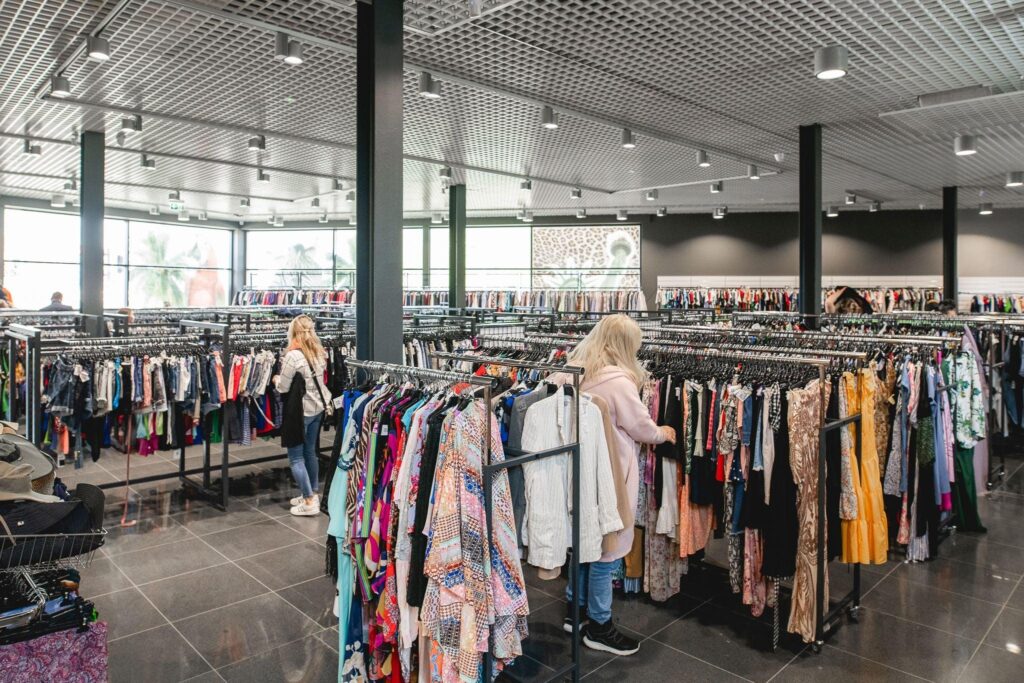
Work the store in sections rather than randomly wandering. Start with outerwear — coats, jackets, and blazers hold vintage value better than almost any other category and are frequently underpriced because they take up space thrift stores want to move. Move to knitwear next, then bottoms, then shirts and blouses.
Save accessories, shoes, and housewares for last. Vintage leather belts, silk scarves, and wool hats are consistently undervalued at most thrift stores and regularly overlooked by casual shoppers and resellers focused on clothing.
What to Actually Look for in Vintage Clothing
Knowing what to look for goes beyond brand recognition. Plenty of non-designer vintage pieces are beautiful, well-made, and worth significantly more than their thrift price — and plenty of recognizable brand names aren’t worth anything at resale.
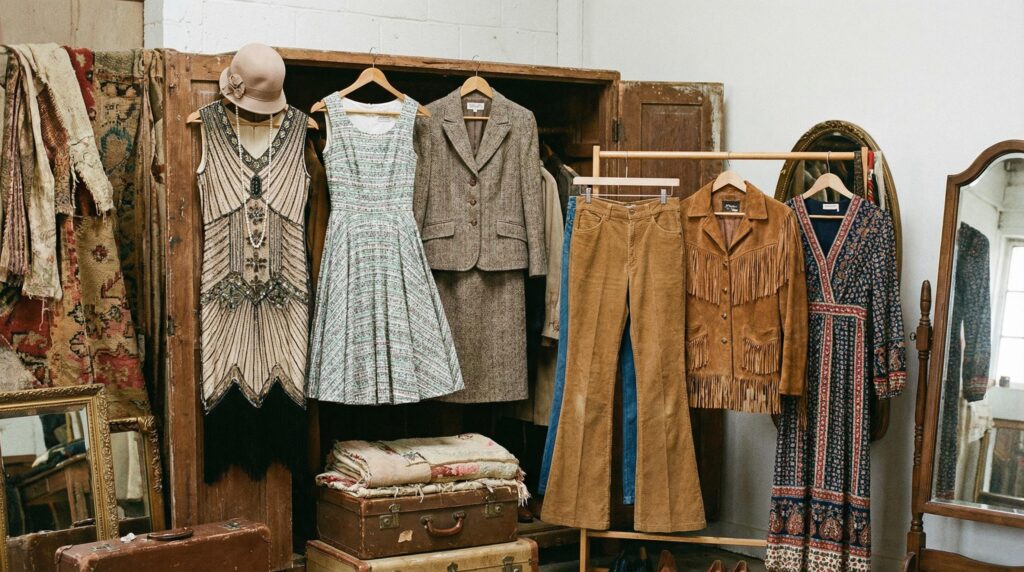
Construction quality separates genuine vintage from modern fast fashion immediately. Look for flat-felled seams — double-stitched seams that lie flat and indicate careful, durable construction. Check whether buttons are made from natural materials like shell, bone, or metal rather than plastic. Examine the stitching density; vintage garments typically have more stitches per inch than modern production pieces.
Hardware on jackets and bags tells a story too. Brass zippers — particularly YKK zippers, which have been industry standard since the 1960s — and solid metal rivets indicate quality manufacturing. Lightweight plastic hardware is almost always a sign of modern fast fashion regardless of what the label says.
Specific Items Worth Hunting Every Visit
Levi’s 501 jeans with a leather patch and single-stitch construction date to before 1980 and regularly sell for $80 to $300 depending on condition, size, and specific details. The red tab should read “LEVI’S” in all capital letters on both sides for pre-1971 examples — one-sided red tabs indicate post-1971 production.
Pendleton wool shirts and jackets are consistently underpriced at thrift stores outside the Pacific Northwest. Pure wool Pendleton pieces in good condition sell reliably on Depop and eBay for $40 to $120.
Silk blouses, particularly from the 1970s and 1980s, are chronically undervalued. Finding a 100% silk blouse for $3 to $6 at a thrift store and listing it for $35 to $70 online is a completely realistic scenario that happens regularly for people who know to look.
Vintage denim jackets — particularly Levi’s, Lee, and Wrangler — from the 1960s through the 1980s are among the most consistently valuable thrift finds. Single stitching, paper tags, and specific pocket designs help date pieces accurately.
Using Apps and Tools to Research On the Spot
Modern thrifting is genuinely enhanced by having the right tools open on your phone while you shop. Knowing how to quickly verify whether something is valuable — before committing to a $25 thrift price — saves money and builds knowledge simultaneously.
eBay’s completed listings feature is the most useful research tool available. Searching a specific item and filtering to show only completed, sold listings reveals what buyers actually paid rather than what sellers hope to receive. This takes about 45 seconds and gives you a real market price for almost anything.
Depop and Poshmark sold searches work similarly for clothing specifically. Searching a brand name, item type, and approximate decade gives a rapid sense of current market demand and pricing.
Google Lens — available through the standard Google app on any smartphone — allows you to photograph a label, logo, or garment detail and immediately surface related information. Identifying an unfamiliar vintage brand, dating a specific logo design, or confirming authenticity becomes dramatically faster with this tool.
Apps Worth Having Before Your Next Thrift Run
Depop, Poshmark, and eBay for price research and eventual resale if you’re interested in flipping. Google Lens for instant visual research. Vintage Fashion Guild’s label resource, accessible through any mobile browser, provides an extensive database of vintage clothing labels organized by brand and era — invaluable for identifying unfamiliar pieces.
ThredUp’s resale calculator gives a quick sense of what items resell for on their platform, though their buyout prices are significantly lower than direct peer-to-peer resale values on Depop or eBay.
Common Mistakes That Cost Thrifters Real Money
Buying something because it’s cheap rather than because it’s good is the foundational thrifting error. Paying $8 for something worth $8 is not a deal — it’s just shopping. The goal is finding something worth significantly more than what you’re paying, and that requires restraint about mediocre finds.
Ignoring condition in favor of brand name leads to expensive disappointment. A Levi’s jacket with irreparable moth holes or a silk blouse with permanent underarm staining has almost no resale value regardless of the label. Examine every piece carefully in good light before buying, checking collars, underarms, cuffs, and hems for damage.
Skipping the fitting room wastes money on items that don’t actually work for your body or wardrobe. Vintage sizing runs inconsistently — a vintage size 12 from the 1950s bears no reliable relationship to a modern size 12. Trying pieces on before buying saves the frustration of beautiful garments that simply don’t fit when you get home.
Overlooking housewares and home goods is a mistake many clothing-focused thrifters make. Vintage cast iron cookware, Le Creuset pieces, genuine Pyrex with vintage patterns, and quality barware are consistently found at thrift stores for fractions of their actual value. A Le Creuset Dutch oven worth $300 new sometimes sits on a thrift store shelf for $15 because the person donating it didn’t know what they had.
Washing vintage pieces without checking care requirements first ruins irreplaceable items. Natural fiber vintage clothing often requires hand washing or dry cleaning. Running a delicate wool sweater through a regular machine wash cycle on hot destroys it completely and permanently.
Building Your Thrifting Knowledge Over Time
Every visit teaches you something whether you find anything valuable or not. Handling hundreds of garments builds an instinct for quality that eventually becomes automatic — you start feeling the difference between natural and synthetic fiber without checking labels, recognizing vintage construction details without consciously analyzing them.
Follow vintage resellers on Instagram and TikTok who share their finds and explain what makes specific pieces valuable. Accounts focused on vintage denim, vintage sportswear, or vintage workwear provide concentrated education that accelerates your knowledge dramatically. Searching hashtags like #vintagefinds, #thriftflip, and #vintagedenim surfaces thousands of examples with context.
Read completed auction results on eBay regularly even when you’re not actively shopping. Developing a sense of what the market pays for different categories, conditions, and eras means you make better decisions faster when you’re actually standing in a thrift store with a piece in your hand.
Visit estate sales in addition to thrift stores. Estate sales — searchable through EstateSales.net or the EstateGuru app — often offer better vintage finds than thrift stores because items come directly from a single household rather than through a donation sorting process. Prices are typically higher than thrift stores but still well below retail, and the quality of finds is often significantly better.
The Part Nobody Tells You About Getting Good at This
There’s a moment that happens for most serious thrifters somewhere around their twentieth or thirtieth visit — when the noise of a crowded rack starts to quiet and specific things start jumping out almost automatically. A fabric texture catches your hand before your eye. A color combination registers as the right era before you consciously process why. A label format looks immediately familiar.
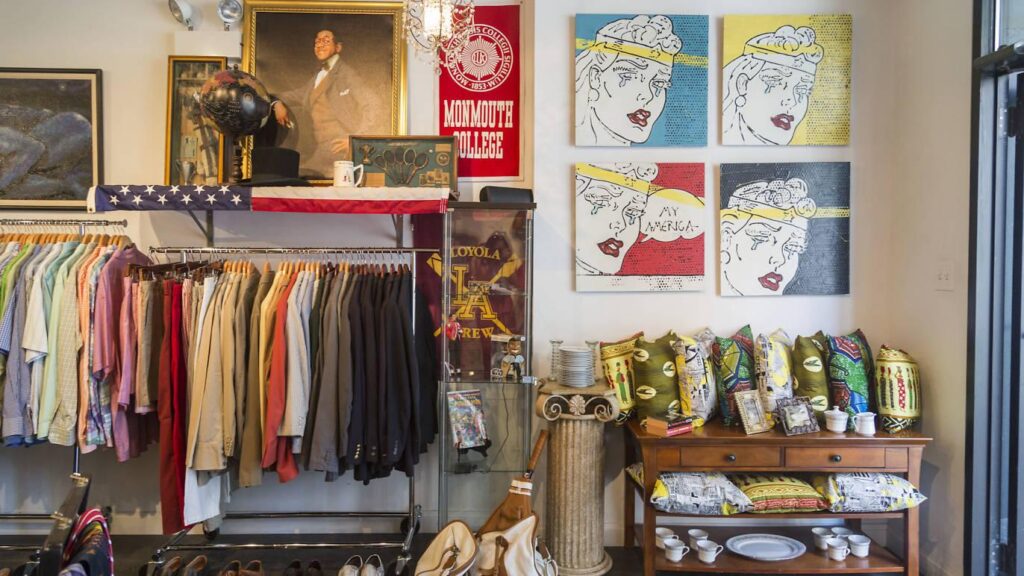
That moment doesn’t come from reading articles, though articles help. It comes from handling enough physical objects that pattern recognition takes over from conscious analysis.
The fastest path to that instinct is consistent practice combined with honest evaluation of your mistakes. When you buy something that turns out to be worthless, figure out exactly why. When you find something genuinely valuable, understand specifically what signaled its quality before you knew for certain.
Thrifting well rewards patience, curiosity, and genuine attention in ways that few shopping experiences match. The $4 Levi’s jacket that started all of this for me is still the piece I reach for most often — not because it’s the most valuable thing I own, but because finding it taught me that extraordinary things are hiding in ordinary places for anyone willing to look carefully enough.
Most of them are still waiting on a rack somewhere, between a bedazzled sweatshirt and a fun run T-shirt, for someone who knows exactly what to feel for.