
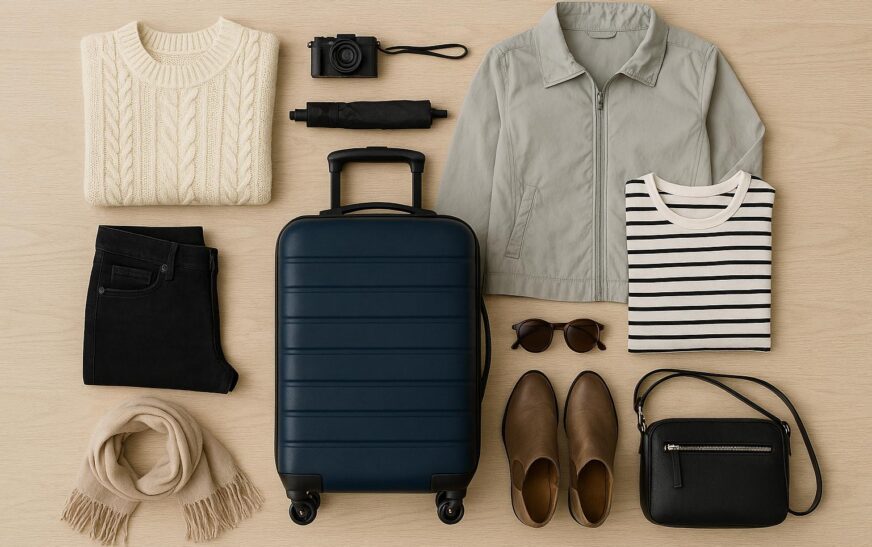
I once packed for a ten-day Europe trip like I was heading to a photoshoot. Heeled boots, three dresses that needed ironing, and a leather jacket filled most of my suitcase. The jacket alone weighed as much as my carry-on limit allowed. By day two in Amsterdam, my feet were destroyed from cobblestones. I ended up spending half my trip budget on a pair of sneakers from a random shop near the train station.
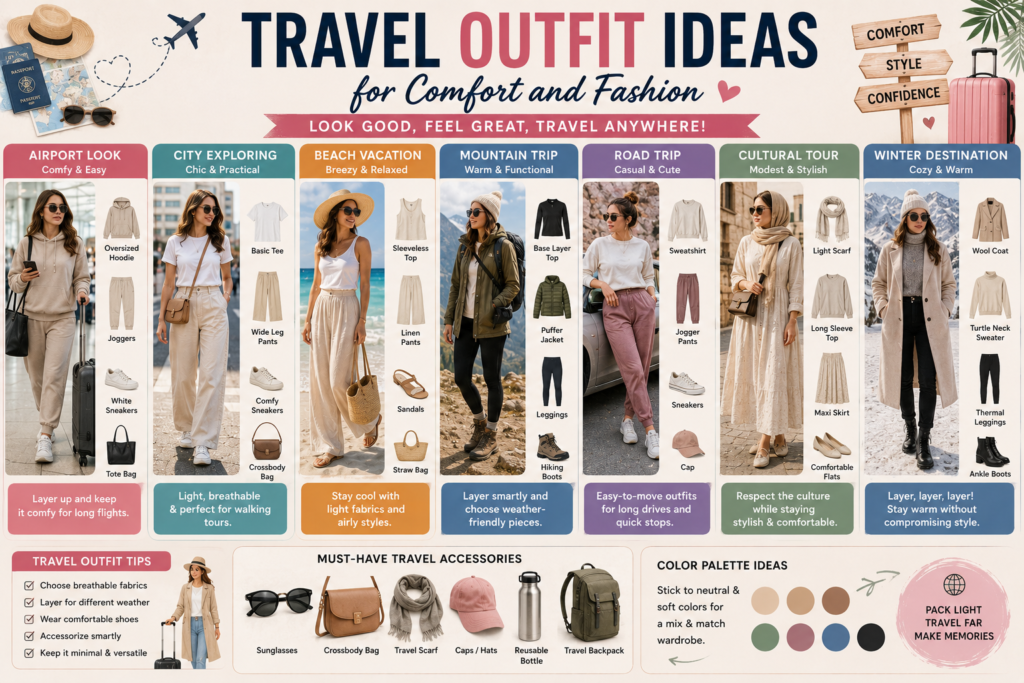
That trip taught me something most travel blogs never mention clearly. Looking good and feeling good while traveling are not opposites. They just require a completely different approach than dressing for a normal day at home or the office.
Since that disaster, I have flown domestically and internationally more times than I can count. I have hauled backpacks through train stations and sat through long layovers in airport chairs that were clearly not designed for humans. Along the way, I built a system for travel outfits that actually works. It has saved me from blisters, sweaty layers, and that awful moment when your jeans feel glued to your legs after a six-hour flight.
This guide walks through everything I have learned about dressing for travel. It breaks things down by trip type, climate, and comfort needs. You will find real product mentions, honest mistakes, and practical steps you can use before your next trip.
Why Travel Outfits Need Their Own Rules
Regular outfit planning assumes you know exactly where you will be and for how long. Travel throws that logic out the window. A morning in a chilly airport can turn into an afternoon walking around a humid city. That same day might end with an evening dinner where you suddenly wish you had packed something nicer.
Airports alone are their own climate zone. Security lines move slow, and gate areas blast air conditioning even in winter. Then you step outside at your destination into completely different weather. Dressing in layers stopped being a suggestion for me and became a survival strategy.
Comfort also means something different when you are sitting for hours versus walking for hours. A cute pair of jeans might feel fine at brunch. That same pair turns miserable after four hours in an economy seat with your knees pressed against the seat in front of you. Travel outfits need to handle multiple environments in a single day. They should never make you feel like you are suffering through fashion choices.
Building a Travel Capsule Wardrobe
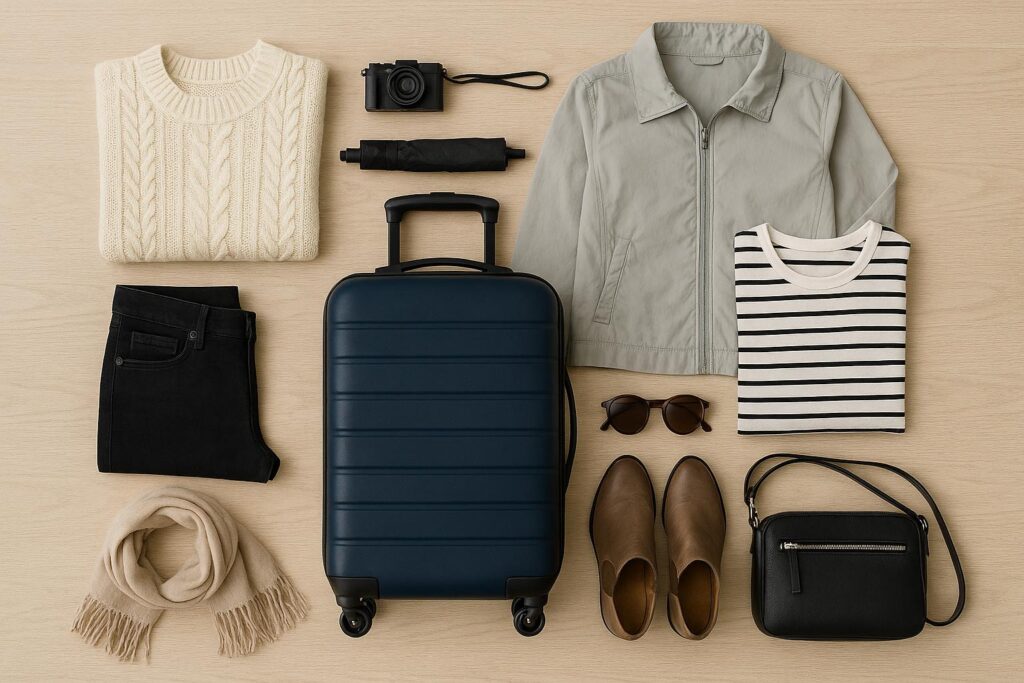
The single biggest shift in how I pack came from learning about capsule wardrobes. Instead of packing outfit by outfit, you pack a small set of pieces. Every item mixes and matches with the others. Fewer clothes end up creating more outfit combinations, which sounds backward until you actually try it.
Choosing a Base Color Palette
Pick two or three neutral colors as your foundation. Black, gray, and beige work well because almost everything pairs with them. Add one or two accent colors for variety, like a deep green or a mustard yellow.
For my last trip to Portugal, I packed everything around black, white, and olive green. Every top matched every bottom, and I still managed to create eight distinct outfits from nine pieces of clothing. That kind of flexibility matters when your suitcase space is limited and laundry access is not guaranteed.
The Core Pieces Worth Packing
A few items have earned a permanent spot in my suitcase after years of trial and error. A well-fitted pair of dark jeans works for both casual sightseeing and a slightly dressed-up dinner. Leggings or joggers handle long flights and lounging without looking sloppy.
A lightweight cardigan or blazer instantly upgrades a basic outfit for dinner or an evening out. Two or three breathable t-shirts or tank tops rotate easily under layers. One versatile dress, something that works from day to evening, saves an entire suitcase compartment.
Fabric Choices That Actually Matter
Fabric decisions changed my travel experience more than any other packing tip. Cotton wrinkles fast and takes forever to dry if you hand wash it in a hotel sink. Synthetic blends, especially those labeled moisture-wicking or quick-dry, hold up far better across multiple wears.
Merino wool deserves a special mention here. It sounds like a strange choice for warm climates. Merino wool t-shirts and base layers resist odor for days, regulate temperature surprisingly well, and pack down small. Brands like Icebreaker and Uniqlo’s AIRism line have become staples in my carry-on for exactly this reason.
Travel Outfit Ideas by Trip Type
Different trips call for genuinely different wardrobes. A beach vacation and a business trip share almost nothing in common. What belongs in your suitcase changes completely between the two.
Beach and Tropical Destinations
Breathable fabrics matter more here than anywhere else. Linen shirts and dresses handle heat far better than cotton, even though they wrinkle more. A few swimsuits, a lightweight cover-up, and sandals that can handle sand and water cover most daytime needs.
For evenings, a simple sundress or linen pants with a nice top works for most beachside restaurants. Pack a light scarf too. It doubles as sun protection during the day and a layer for air-conditioned restaurants at night.
City and Sightseeing Trips
Walking dominates city trips, so shoes become the most important decision in your entire suitcase. I learned this the hard way in Amsterdam, and I have not repeated that mistake since.
Comfortable sneakers or walking shoes with real support should anchor every city outfit. Brands like Allbirds, New Balance, and Skechers make styles that look fashionable enough for dinner. They still cushion your feet through eight hours of walking. Pair them with jeans, joggers, or a casual dress depending on the weather.
Business and Work Travel
Business trips demand a different kind of planning because you often need to look polished right after a flight. Wrinkle-resistant blazers have become a lifesaver for this exact situation. Brands like Uniqlo and Everlane sell blazers specifically designed to survive a suitcase without looking crushed.
A structured tote or backpack that fits a laptop while still looking professional matters more than people expect. My old canvas tote started looking sloppy by the second day of back-to-back meetings. I switched to a laptop bag from Dagne Dover after that trip and never looked back.
Cold Weather and Winter Trips
Layering becomes non-negotiable in cold climates. A base layer, a mid layer like a fleece or sweater, and an outer shell work together as a system. Together they handle temperature swings between indoor heating and outdoor cold far better than one heavy coat.
Packable down jackets from brands like Patagonia or Columbia work well for this layering system. They compress small enough to fit in a daypack once you step indoors. Thermal leggings under jeans or pants add warmth without bulk. Wool socks prevent the kind of cold feet that ruin an entire day of sightseeing.
Step-by-Step Guide to Packing a Travel Wardrobe
Planning outfits before you pack saves so much stress once you are actually at your destination. This process has worked for every trip I have taken over the past few years.
Step one: check the weather forecast for your entire trip. Look beyond the average temperature. Check for rain, humidity, or sudden cold snaps too. Apps like Weather.com or AccuWeather give a reliable ten-day outlook that helps you plan layers properly.
Step two: count your trip days, then cut that number in half. A week-long trip does not need seven different outfits. Plan for three to four days of clothing and repeat combinations using your capsule wardrobe approach.
Step three: lay out every piece before packing. Spread everything on your bed and mix and match combinations. Anything that does not pair with at least two other items should get removed from the pile.
Step four: pack shoes first, since they take up the most space. Stuff socks or small items inside them to save room. Limit yourself to three pairs at most: one for walking, one dressier option, and one for the beach or gym if needed.
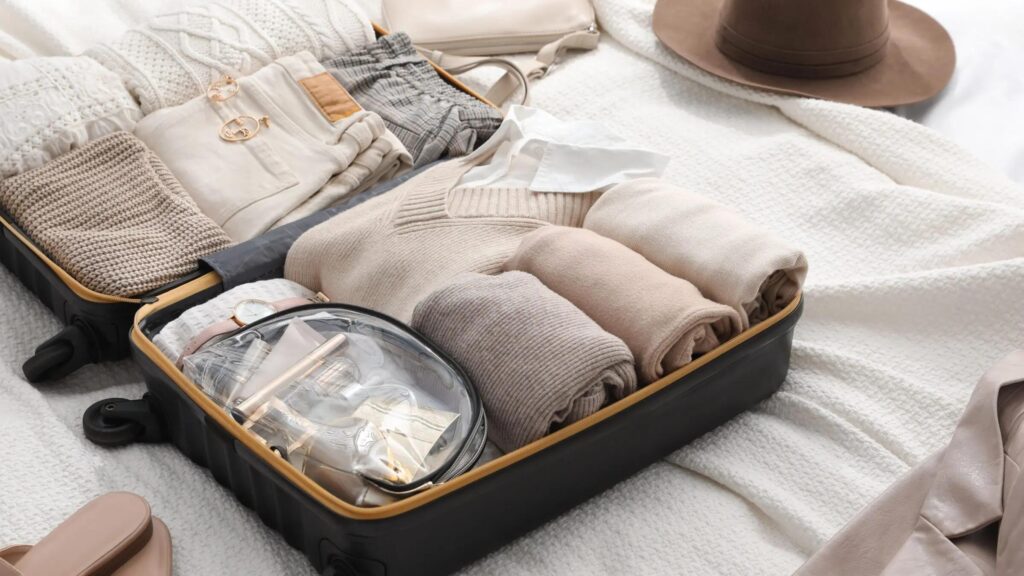
Step five: roll clothes instead of folding them. Rolling saves noticeable space and reduces wrinkles compared to traditional folding. Packing cubes from brands like Eagle Creek or Bagsmart keep everything organized and compressed.
Step six: pack one complete outfit in your carry-on. Checked luggage occasionally gets delayed or lost. Having a full outfit, including underwear and a fresh top, matters more than it sounds. That habit saved me during a lost luggage situation in Chicago a couple years back.
Real Outfit Combinations That Actually Worked
Sometimes the best advice comes from seeing exactly what someone else packed and wore. Here are a few outfit combinations that held up across real trips.
For a spring trip to Barcelona, I wore high-waisted jeans, a white linen button-down, and white sneakers for daytime exploring. A crossbody bag rounded out the look. That same outfit transitioned into evening simply by swapping the sneakers for flat sandals and adding gold hoop earrings.
During a business trip to Chicago, dark tailored trousers paired with a silk cami created a polished look. Adding a blazer finished it off straight off the plane. Loafers replaced heels for the flight itself, then switched at the hotel before meetings started.
On a winter trip to Denver, thermal leggings under straight-leg jeans and a merino wool sweater kept me warm. A packable down jacket on top meant I never felt bulky. Waterproof boots handled unexpected snow far better than the fashion boots I almost packed instead.
Common Mistakes to Avoid When Packing Travel Outfits
Overpacking shoes ranks as one of the most common mistakes travelers make. Each pair adds real weight and takes up space that could fit clothing instead. Three well-chosen pairs cover almost every situation a normal trip throws at you.
Ignoring layering options causes problems constantly, especially on flights. Airplane cabins run cold, but destination weather might be warm. A packable cardigan or scarf solves this without taking up much luggage space.
Packing too many “just in case” outfits wastes suitcase space fast. That fancy dress you might wear once rarely gets worn at all. It still takes up room that could fit versatile pieces you will actually use every day.
Choosing style over comfort backfires more often than people expect. New shoes that have never been broken in cause real problems fast. Jeans that fit tight after a big flight meal, or fabrics that trap heat, can turn a fun trip into a physically uncomfortable one just as easily.
Forgetting to check laundry access also creates unnecessary stress. Some hotels charge a small fortune for laundry service, while others have self-service machines or nearby laundromats. Knowing this in advance changes how many outfits you actually need to pack.
Accessories That Make a Bigger Difference Than You Think
Accessories often solve the fashion-versus-comfort tension better than clothing choices alone. A good crossbody bag keeps your hands free while walking and looks put together with almost any outfit.
Sunglasses do double duty, protecting your eyes while adding instant style to a basic outfit. A packable hat, whether a baseball cap or a wide-brim sun hat, works well for sun protection. It also covers up on days when washing your hair is not an option.
Jewelry deserves a mention too, though less is genuinely more while traveling. A few versatile pieces, like simple gold hoops or a layered necklace, elevate an outfit easily. There is no need to risk losing something expensive or sentimental along the way.
Tools and Apps That Help With Travel Outfit Planning
A handful of apps have become permanent parts of my pre-trip routine. Pinterest remains useful for gathering outfit inspiration specific to your destination and season before you even start packing.
Packing list apps like PackPoint generate suggestions based on your destination, trip length, and planned activities. It accounts for weather automatically, which removes a lot of guesswork from the process.
Stylebook, a wardrobe app, lets you photograph your actual clothing and build outfit combinations digitally before you pack. I started using it after realizing I kept forgetting which pieces actually matched once I got to my destination.
For laundry planning, apps like Laundryheap help locate service near your hotel. A quick Google search for “laundromat near me” at your destination works too, and either option can save you from overpacking out of fear you will run out of clean clothes.
Dressing for Long Flights and Layovers
Long flights deserve their own category entirely, separate from destination outfits. Comfort matters more here than anywhere else in your travel wardrobe, since you might be sitting still for eight or ten hours straight.
What to Wear on the Plane Itself
Compression socks have become a permanent part of my flight routine after a nurse friend explained how they help circulation during long periods of sitting. Brands like CEP or Sockwell make pairs that look normal enough to wear without anyone noticing under pants or leggings.
Loose, stretchy bottoms beat anything with a tight waistband. Joggers, leggings, or wide-leg pants all allow your stomach room to breathe, which matters more than people realize once cabin pressure and airplane food start working against you.
Layering still applies here too. A t-shirt under a light sweater or zip-up jacket lets you adjust as cabin temperature swings between freezing and stuffy throughout the flight. Slip-on shoes make security lines faster and give your feet room to swell slightly during the flight, which happens to almost everyone.
Packing a Personal Item That Actually Works
Your personal item carries more responsibility than most people give it credit for. A change of clothes, a light jacket, and basic toiletries should live in there in case checked luggage gets delayed.
I learned to pack a small crossbody bag inside my personal item too. Once I land, I transfer essentials into the crossbody and check my bigger bag at the hotel, which keeps me from lugging a full backpack around during a layover exploration or immediate sightseeing.
Mixing Trendy Pieces Without Overpacking
Fashion trends change constantly, and it is tempting to pack pieces just because they are popular that season. A little trend-following can work, as long as it does not compromise the practical foundation of your travel wardrobe.
One trick that has worked well for me involves choosing exactly one or two trendy items per trip instead of building an entire suitcase around them. A statement jacket, a trendy pair of sunglasses, or a specific shoe style can add personality without taking over your packing list.
Scarves work particularly well for this purpose. A bold printed scarf takes up almost no space, yet it instantly updates a basic outfit and can double as a blanket, a head covering, or an extra layer depending on the situation. I picked up a silk scarf from a street vendor in Marrakech that has appeared in more outfit photos than I can count since.
Social media inspiration helps here too, though it requires some filtering. Following travel influencers on Instagram or browsing curated boards on Pinterest gives a realistic sense of what actually works on real bodies during real trips, rather than styled photoshoot looks that fall apart after one subway ride.
Dressing Appropriately for Your Destination
Local culture matters just as much as weather when planning a travel wardrobe. What feels totally normal at home can draw unwanted attention or even cause problems in certain destinations.
Visiting religious sites often requires covered shoulders and knees, regardless of gender. I keep a lightweight scarf and a pair of loose linen pants in my daypack specifically for these situations, since many temples and churches turn visitors away for showing too much skin.
Some countries lean more conservative overall, even outside religious sites. Researching general dress norms before a trip to places like parts of the Middle East, Southeast Asia, or rural areas anywhere saves you from feeling out of place or disrespectful once you arrive.
On the flip side, some destinations expect more polish than casual American travel style allows. Parts of Western Europe, especially cities like Paris or Milan, tend to dress up more for everyday activities than tourists often expect. Swapping athletic wear for slightly more tailored basics helps you blend in rather than stand out as an obvious tourist.
A quick search on travel forums like Reddit’s travel community reveals these details fast, and so does a browse through recent blog posts about your specific destination. Locals themselves are often the best resource here, and a quick question to your hotel staff about appropriate dress for planned activities takes only a minute.
Choosing Between Function and Fashion When They Conflict
Sometimes a genuinely stylish piece just will not survive the practical demands of travel, and figuring out that tradeoff ahead of time saves disappointment later. A few questions have helped me sort through this every time I pack.
Ask whether the item can handle at least two different weather scenarios. A piece that only works in perfect conditions rarely earns its space in a carry-on. Ask whether it pairs with at least two other items already on your packing list too, since standalone pieces waste precious suitcase room.
Consider how the fabric holds up after a full day of wear as well. Structured pieces that wrinkle badly or fabrics that show every sweat mark tend to disappoint by the second wear, no matter how good they looked in the mirror at home.
None of this means abandoning style altogether. It just means being honest about which pieces genuinely earn their spot, rather than packing based on how something looks folded neatly in a suitcase before the trip even starts.
Final Thoughts
Looking back at that disastrous Europe trip with the heeled boots and iron-required dresses, I laugh at how much unnecessary stress I created for myself. Comfort and style were never actually competing goals. I just had not learned how to blend them yet.
Every trip since then has gotten easier because the system stays mostly the same, even when destinations change completely. Neutral colors, breathable fabrics, and broken-in shoes cover most of it. A handful of accessories handles almost everything else a trip can throw at you.
Pack thoughtfully, and wear shoes that will not betray you by day two. Give yourself permission to prioritize comfort without sacrificing how you look. The best travel outfit is the one you forget you are wearing. That happens when you are too busy actually enjoying the trip.